

If you are 21 or older and shopping for legal cannabis in New York City, the license behind the counter matters. It shapes the menu, the store format, and how much of the product story comes from one business.
That is why the New York cannabis microbusiness license gets so much attention. As a specialized adult-use cannabis license designed specifically for smaller operators, it allows for a unique business model. For you as a shopper, these licenses often signal a smaller, licensed operator with more control over what reaches the shelf.
Key Takeaways
- Vertical Integration: A microbusiness license allows a single operator to cultivate, process, and sell cannabis under one roof, often resulting in a product catalog tied directly to the business’s own production.
- Focused Menus: Because microbusinesses operate within specific canopy size limits, shoppers will often find tighter, more curated menus featuring house brands rather than the broad, multi-brand selection found at larger retail dispensaries.
- Regulatory Compliance: Despite their smaller scale, microbusinesses are fully regulated entities subject to the same strict New York state requirements for product testing, packaging, and age verification as any other licensed operator.
- Simplified Transparency: The direct connection between the grower and the retailer can make it easier for consumers to trace the origin of their products, offering a more localized and craft-focused shopping experience.
What a microbusiness license actually allows
In New York, a microbusiness cannabis license is a small-scale adult-use model characterized by vertical integration. This means a single business can oversee its own path to market by combining cultivation activities, processing and manufacturing, and distribution services under one roof.
For shoppers, that matters because the store is often tied much more closely to the product. Instead of acting only as a retail outlet, the business operates as a grower, manufacturer, and storefront simultaneously. The shelf can reflect one operator’s decisions from seed through sale.
The state designed this category to give smaller operators a path into the legal market. It is a fully regulated model, and it sits inside the same rigorous system that governs all other legal cannabis businesses in New York.
The license is also defined by specific canopy size limits. Current state rules describe caps of 3,500 square feet indoors, 5,000 square feet in mixed-light cultivation, or 10,000 square feet outdoors. Those numbers may sound distant from your shopping trip, yet they directly impact how much product a business can produce and how diverse its menu can become.
There are a few other details worth knowing. A microbusiness may buy limited amounts of product under specific cannabis biomass limits set by the state. If the business has retail authority, it can sell directly to consumers from its own premises. It may also offer delivery if that activity is included in its specific adult-use cannabis license permissions. Some operators may pursue on-site consumption, but only if they are officially approved for it.
For you, the clearest takeaway is simple: a microbusiness often sells cannabis that the same company grew or made.
That setup does not mean every microbusiness looks the same. Some will be consumer-facing stores. Others may stay more focused on production. The exact customer experience depends on what the license holder is approved to do.
How microbusiness cannabis licenses shape the NYC shelf
Once you understand the license, the menu starts to make more sense. A microbusiness often sells its own line, so you may see a tighter selection than you would at a broader retail dispensary license holder.
In practical terms, that can mean fewer brands on the shelf. You might find more depth within one operator’s catalog and less cross-brand variety compared to the broader options available in the wider adult-use cannabis market. One store may feature flower, pre-rolls, and a few processed products that all trace back to the same business. Another may offer a narrower mix because its production capacity is smaller.
For you as a shopper, this can make product origin easier to follow. Because the grower, processor, and retailer are often connected, there are fewer handoffs in the story behind the item. Furthermore, New York utilizes a seed to sale tracking system via Metrc, which ensures that every product is accounted for from harvest to the storefront. That does not guarantee better quality, lower price, or a perfect fit for your preferences, but it does make the business model and the origin of your purchase much easier to verify.
You may also notice more limited runs. Because a microbusiness works within small-scale cultivation limits, popular items can move quickly. These unique offerings are often the result of craft cannabis production, where restocks depend on specific harvest cycles, processing schedules, and how much product the operator sets aside for its own store or delivery channel.
Price is less predictable. Some shoppers assume smaller means cheaper. Others assume craft-style pricing will always run higher. Neither rule holds up on its own. A microbusiness controls more of its own supply chain, but it also works at a smaller scale. The end result depends on the operator’s costs, output, and retail strategy.
In NYC, where many shoppers compare menus across neighborhoods, that difference matters. A microbusiness listing may look leaner than a large multi-brand menu in Manhattan, Brooklyn, or Queens. That is not always a weakness. Sometimes it simply reflects a focused catalog rather than a broad marketplace approach.
You also should not assume every microbusiness offers every consumer service. Retail access, delivery, and on-site consumption depend on the specific approvals attached to that business. The license label alone does not tell you the full customer experience.
Why a microbusiness shop may feel different from a larger dispensary
The biggest difference is often identity. When a store carries a strong share of its own products, the menu can feel more unified. You may see a clearer point of view in the product lineup, the staff knowledge, and the way the store presents its offerings.
That can make browsing easier if you prefer a simpler menu. It can also feel restrictive if you want a wide side-by-side comparison across many brands. Your experience depends on how you shop. Some people want a curated shelf, while others want a broad catalog.
Many of these microbusinesses are SEE applicants, as the state prioritized social and economic equity in this licensing category to ensure a diverse and inclusive adult-use cannabis market throughout New York.
A quick comparison helps:
| What you notice | Microbusiness shop | Retail dispensary license |
|---|---|---|
| Brand mix | Often centered on one operator’s products | Often built around many outside brands |
| Menu size | Usually tighter and more focused | Usually broader and more mixed |
| Product story | Easier to trace within one business | Varies by brand and supplier |
The shopping feel may change, but the compliance baseline does not. A legal microbusiness is still part of New York’s regulated adult-use market. You should expect age checks, tested products, compliant packaging, and formal retail practices, just as you would at any other licensed business.
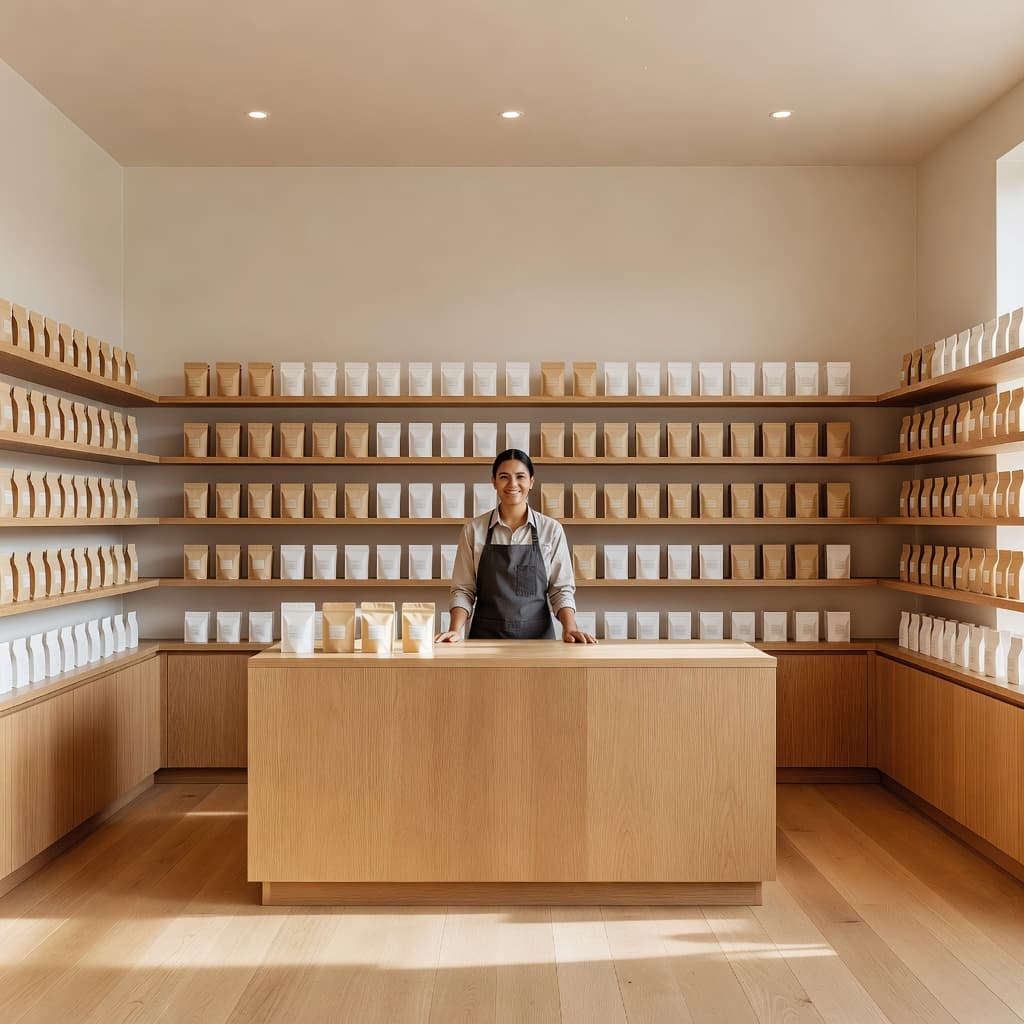
That point matters in NYC because small can be misleading. A compact storefront, a neighborhood feel, or a minimalist menu does not prove a shop is a microbusiness. Furthermore, the physical location is often dictated by strict zoning and distance requirements established by the state and local municipalities. It is also important to remember that a cozy aesthetic does not prove the shop is licensed. The legal status comes from state approval, not from the size of the store or the tone of the branding.
For that reason, the microbusiness model is best understood as a different business structure, not a looser one. If you use a directory to compare stores, this distinction helps. You are not only comparing products; you are also comparing how close the retailer is to cultivation and production.
How to tell whether the label matters for your shopping
The first step is to focus on licensure, not aesthetics. A store can look polished, local, and independent without holding a microbusiness license. On the other hand, a true microbusiness may keep a low profile while fully operating inside the legal system.
If you want current state information, the Office of Cannabis Management is the clearest place to confirm how New York defines license types. These regulations are established by the Cannabis Control Board under the Marijuana Regulation and Taxation Act. It is important to remember that legal shops must disclose True Parties of Interest to the state, providing a level of transparency and accountability that illegal shops completely lack. Furthermore, these businesses have successfully navigated the competitive OCM application queues and paid all necessary licensing and application fees to operate legally.
Next, pay attention to how the menu is built. If a store heavily features one in-house line, describes its own cultivation or processing, and keeps a narrower catalog, you may be looking at the effects of a microbusiness model. These operators often submit a branding license application for their unique product lines to distinguish their identity. If the menu reads like a broad marketplace of outside brands, you are likely seeing a different retail setup.
You can also read store pages with a sharper eye. Does the business describe itself as producing what it sells? Does it mention delivery as part of its license? Does the retail experience appear tightly linked to one house brand? Those clues help you understand what kind of operation sits behind the storefront.
Most importantly, do not confuse a microbusiness with an informal seller. New York created this license inside the legal adult-use framework. For you, that means the category only matters when the business is properly licensed.
Once you start noticing the structure behind the shelf, product discovery gets clearer. You can compare stores on more than price or location. You can also compare whether the menu is broad, house-driven, or tied to a smaller production model.
Frequently Asked Questions
Are microbusiness products cheaper than those at large dispensaries?
Price is not inherently lower or higher at a microbusiness; it depends on the operator’s specific production costs and retail strategy. While these businesses control more of their own supply chain, they operate at a smaller scale which can influence the final pricing of their products.
Can I find every brand at a microbusiness shop?
Likely not, as microbusinesses often prioritize their own in-house lines due to their integrated business model. If you are looking for a vast selection of outside brands from across the state, a traditional retail dispensary may offer a more suitable, broader menu.
Is a microbusiness the same as an informal or ’boutique’ seller?
No, a microbusiness is a formal, legal category within New York’s regulated adult-use market. You should always verify that a shop holds a valid state license through official channels, as a cozy, minimalist aesthetic does not signify a business’s legal status.
Do all microbusinesses offer the same services?
Not necessarily. While many may operate as retail stores, the specific permissions—such as delivery or on-site consumption—depend entirely on the individual license holder’s official approvals. It is best to check the specific shop’s profile to see which services they are authorized to provide.
Conclusion
When you visit a microbusiness in NYC, you are supporting a smaller legal operator that often maintains greater control over its own products. This unique structure directly influences the variety on the shelf, the depth of the menu, and the way the store shares its brand story. The New York cannabis microbusiness license is a key part of the state’s growing legal ecosystem, fostering a diverse market that prioritizes local craft and specialized production.
For you as a consumer, the most useful question is not whether a shop has a boutique aesthetic. The better question is whether the store holds a valid adult-use cannabis license, and whether its specific approval covers the retail or delivery services you are looking for. Prioritizing these regulated, legal businesses ensures you are getting tested, compliant products.
Once you confirm the shop is properly authorized, you can browse a menu with greater confidence. Understanding the different license types helps you appreciate why one licensed cannabis shop may offer a completely different experience and selection than another.


