
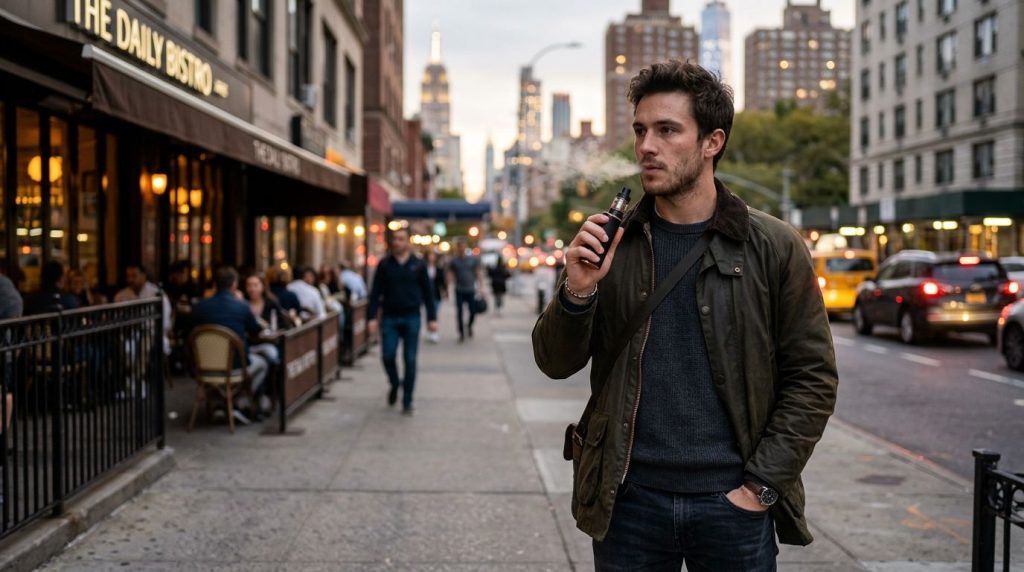
Legalized recreational cannabis does not mean you can use it anywhere you want. In New York City, public cannabis use follows a simple rule, but the exceptions matter.
If you are age 21 or older, you can generally smoke or vape cannabis where tobacco smoking is allowed. Trouble starts when you assume that rule covers parks, cars, restaurants, or your building. Once you know the boundaries, the NYC cannabis consumption rules get much easier to follow.
Key Takeaways
- Follow Tobacco Rules: As a general rule, if smoking tobacco is prohibited in a specific location, smoking or vaping cannabis is also prohibited.
- Public Spaces are Restricted: Despite legalization, you cannot smoke or vape in parks, beaches, public transit, or on city streets where smoke-free rules are in effect.
- Private Property is Not Automatic: Even if you are on private property, such as your apartment or a hotel, you must adhere to the owner’s rules, building lease agreements, or venue policies, which often ban all smoking.
- Vehicles are Off-Limits: Smoking or vaping cannabis in a motor vehicle is illegal, regardless of whether the car is parked or in motion, and operating a vehicle while impaired remains a serious offense.
The basic rule that controls public cannabis use
The core rule is simple: if tobacco smoking is not allowed in a place, cannabis smoking or vaping usually is not allowed there either. The Marijuana Regulation and Taxation Act established the framework for public consumption in New York, and this standard answers most day-to-day questions faster than any long legal summary.
New York lets adults 21 and older use adult-use cannabis, but public use is not a free-for-all. In practice, most enforcement issues involve smoking and vaping because those forms fall under smoke-free air laws and local restrictions enforced by the Office of Cannabis Management. If you are using cannabis in a form that creates smoke or vapor, you should think about the location first, not the product first.
For the statewide framework, you can review New York’s cannabis law overview. In the city, the public-facing guidance from NYC Health matches that basic approach.
A lot of confusion comes from the word “public.” Many people hear that cannabis is legal and assume sidewalks, plazas, train platforms, or parked cars are all fair game. They are not. It is important to remember that current possession limits allow for 3 ounces of flower and 24 grams of concentrates, but legal possession and legal consumption are not the same thing.
You also need to separate public law from property rules. A place might not be banned by city smoking law, yet the owner can still prohibit smoking on that property. That matters in apartment buildings, hotels, offices, event venues, and private outdoor spaces.
Buying from licensed dispensaries rather than unlicensed stores does not change where you can consume. A legal product still has to be used in a legal setting.
If tobacco smoking isn’t allowed there, cannabis smoking or vaping usually isn’t allowed there either.
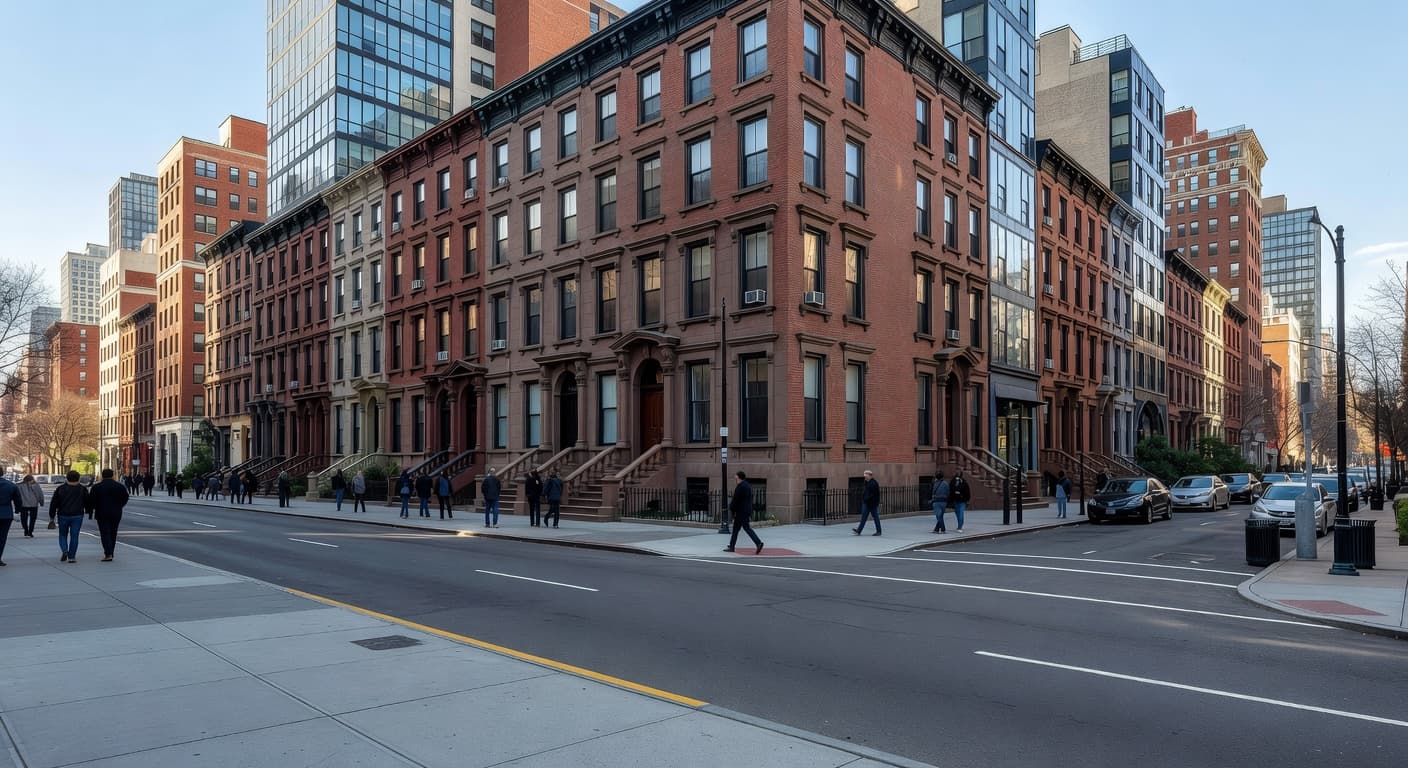
Some outdoor city spaces may be legal for use, but only if tobacco smoking is also allowed there.
Common NYC places where cannabis use is off-limits
Most banned locations will feel familiar because they are already smoke-free. That includes many indoor public places and several outdoor areas people use every day.
You cannot smoke or vape cannabis in motor vehicles, even if the car is parked, and you must avoid driving while impaired to ensure safety and legal compliance. You also cannot engage in vaping cannabis or smoking on public transit. Restaurants, bars, and most indoor workplaces are off-limits too. Parks and beaches are also prohibited spaces under city rules.
Federal property is a separate problem. Even though New York State allows adult use, federal law still controls federal land and buildings. That means using recreational marijuana, even if it was a legal state purchase, can still become a violation if you use it in the wrong place.
Public housing deserves special attention. Many residents assume state legalization changed those rules, but it did not. Smoking restrictions in public housing and federally tied housing rules can still block cannabis use, even for those registered in the state medical cannabis program.
This quick reference covers the settings that cause the most confusion:
| Setting | Smoke or vape cannabis? | What to keep in mind |
|---|---|---|
| Outdoor area where tobacco smoking is legal | Usually yes | You must be age 21 or older and avoid unlicensed stores |
| Parks and beaches | No | City smoke-free restrictions apply |
| Restaurants and bars | No | Indoor public places are generally prohibited |
| Public transit and stations | No | Smoke-free rules and transit policies apply |
| Motor vehicles, parked or moving | No | Driving while impaired is illegal; a parked car is still a vehicle |
| Private apartment or house | It depends | Your landlord, lease, or building rules may ban smoking |
| Public housing or federal property | No | Separate federal restrictions apply to everyone |
If you want the city rule behind those bans, read the NYC limitations on the use of marijuana. The legal language is more detailed, but the street-level takeaway is clear.
If you smoke in a prohibited place, you can receive a civil summons and a fine. That makes “I didn’t know” an expensive guess.
Private property changes the answer more than people expect
Many of the hardest questions are not about the street. They come from homes, buildings, and other places that look private but still have rules attached to them.
Your apartment is the best example. While state law may allow adult-use cannabis, these regulations do not override federal law regarding housing, and your landlord can still ban smoking on the property. Some leases prohibit all smoking. Others ban smoking in common areas, hallways, rooftops, courtyards, or near entrances. In a co-op or condo, building policies can be just as important as city law.
That means you should not treat being inside your building as automatic permission. You need to check the lease, house rules, or written policies. Whether you are using cannabis flower or cannabis edibles, if those rules ban smoking or specific substances, you must comply with them.

Private indoor space can still be subject to lease terms and building smoking policies.
Hotels work the same way. A legal state market does not override a smoke-free hotel room policy. If you are visiting New York City, ask first. The answer may depend on the property, not the city block.
Friends’ apartments also fall into this category. Even if a host is comfortable with cannabis, the building may not be. If smoke drifts into a hallway or another unit, it can trigger complaints and building action.
Roof decks, terraces, and shared backyards often create the most confusion. They feel private, but they may count as shared common space. If your building bars smoking there, you need to follow that rule.
The same logic applies at work. Even in a legal state where home cultivation for personal use is permitted, your employer’s workplace policies remain fully enforceable. The same applies to specific rules at music venues, clubs, and event spaces.
Small mistakes that lead to tickets and awkward situations
Most problems do not come from dramatic misconduct. They come from ordinary assumptions.
One common mistake is using cannabis near outdoor dining. If the area is part of a restaurant or bar setup, public consumption rules still apply. Another mistake is stepping into a parked car for privacy. That feels discreet, but it is still a prohibited place to smoke or vape. It is important to remember that the THC content of your product does not exempt it from these vehicle restrictions.
Stoops and building entrances can also get messy. Even if you are technically outside, you are often still within a property owner’s rules or close to smoke-free areas. In a dense city, a few feet can change the answer.
Tourists often run into this problem first. New York has legal cannabis, but it does not have broad legal social consumption spaces for everyday public use. As a recreational marijuana user, you should always look for licensed dispensaries to purchase legal products rather than relying on unverified sources. You cannot assume the city works like a resort town or a private lounge system. Most consumption still turns on the same plain question: is smoking tobacco allowed here?
You should also remember that smell travels in New York faster than people expect. A place may feel open-air, yet neighbors, staff, security, or building management may see it differently. That does not always mean a legal violation, but it can still create conflict.
A safer habit is to pause before using and check three things: your age, the smoke-free status of the location, and the property rules. That quick mental check can save you from a summons, a complaint, or a lease issue.
A parked car is not a workaround. Under NYC rules, it is still a prohibited place to smoke or vape cannabis. Furthermore, vaping cannabis in a vehicle creates a significant risk of driving while impaired, which carries serious legal consequences.
Frequently Asked Questions
Can I smoke cannabis in a public park or at the beach?
No, you cannot smoke or vape cannabis in New York City parks or on public beaches. These areas are designated as smoke-free zones under city regulations, and the same rules apply to both tobacco and cannabis products.
Can I smoke in my apartment if I am a tenant?
Not necessarily, as it depends on your specific lease and building rules. Even if state law permits adult cannabis use, your landlord or property management company has the right to prohibit smoking anywhere on the premises, including inside individual units or common areas.
Is it legal to smoke inside a parked car?
No, using cannabis inside a motor vehicle is illegal in New York City, whether the vehicle is parked or moving. Furthermore, smoking or vaping in a car creates a significant risk of being charged with driving while impaired if law enforcement determines you are operating the vehicle under the influence.
What happens if I am caught smoking in a prohibited area?
If you are found consuming cannabis in a space where it is not permitted, you risk receiving a civil summons and paying a fine. It is important to verify the local rules of any location before choosing to consume cannabis.
Conclusion
The strongest takeaway is still the simplest one: follow tobacco smoking rules first, then check the property’s own policies. In New York City, that one habit clears up most questions regarding where you can smoke. If a place is smoke-free, treat cannabis smoking and vaping as off-limits. If a place is private, do not assume you have permission until the lease, building, or venue rules explicitly allow it.
As you navigate these regulations, remember that the Office of Cannabis Management and the Cannabis Control Board oversee the state market. When you choose to purchase products, buying from a CAURD license holder is the best way to support social equity programs while ensuring that the state excise tax is properly paid. These legal dispensaries also utilize systems like BioTrack to ensure product safety from seed to sale.
Finally, always stay mindful of legal possession limits, which remain at 3 ounces of flower and 24 grams of concentrates for adults. When you keep these guidelines in mind, you can make sense of NYC cannabis consumption rules without any guesswork.


