
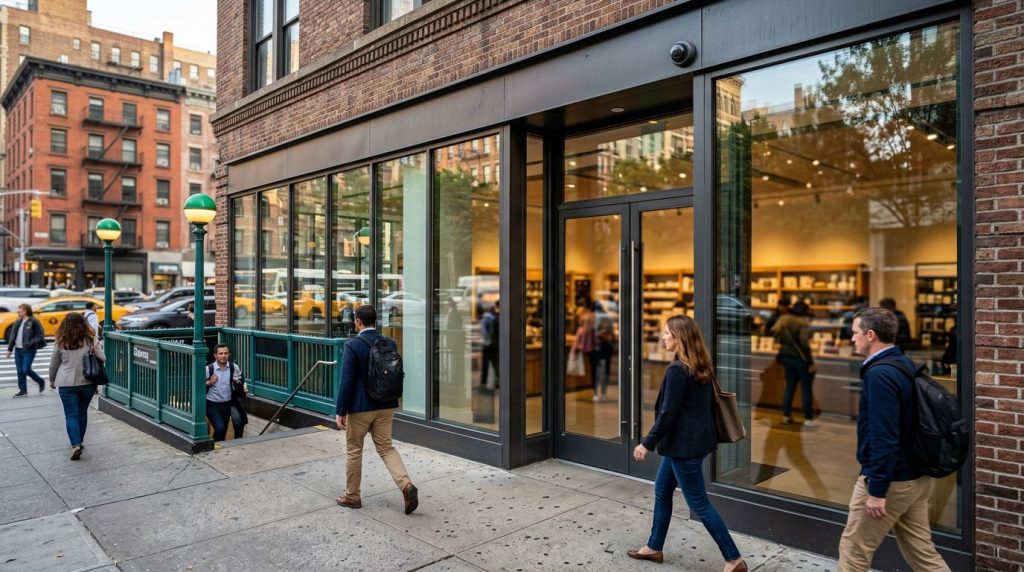
A good address can look perfect on paper and still fail in real life. In New York City, a practical NYC dispensary location for a recreational cannabis dispensary has to do two jobs at once: meet the rules and work for actual people.
If you are sizing up an NYC dispensary location, it helps to think beyond rent and foot traffic. The right site should be legal, reachable, safe, and workable for daily operations. That combination of adult use legality and practicality is what separates a promising storefront from a problem lease.
Key Takeaways
- A practical NYC dispensary location must first clear state rules: 500 feet from schools, 200 feet from houses of worship, and 1,000 feet from other recreational stores, plus building suitability for cannabis operations.
- Prioritize easy access via subway, wide sidewalks, and everyday retail corridors over flashy corners, as most customers walk or use transit.
- Ensure the site supports daily operations with space for security, ID checks, inventory tracking via Metrc, and reliable building systems like HVAC and ADA access.
- Neighborhood mix and curb appeal matter for steady traffic and smooth customer flow, while parking varies by borough from minimal in Manhattan to helpful in outer areas.
- Pending rules like youth facility buffers add risk to long-term leases, so map compliance early.
Compliance comes before convenience
The first test is simple. If the address does not meet New York State location rules, nothing else matters.
As of May 2026, licensed dispensaries in New York City must stay 500 feet from schools, 200 feet from houses of worship, and 1,000 feet from recreational stores. Because NYC has more than 20,000 residents, that 1,000-foot spacing rule matters in every borough. Unlike medical marijuana dispensaries with different restrictions, these rules apply to adult-use retail sites. You also need proof that you control the site, such as a lease or ownership records, before the application can move forward.
A legal address is not always a practical address, but an illegal one is never practical.
That is why serious site review starts with map work, not window shopping. A storefront may sit on a strong retail block and still fail because of one protected use nearby. If you want a plain-language overview of how applicants screen sites, the LOCAL proximity map and notice process is a useful reference. A second summary of the New York proximity map and location checks also shows how close review needs to be.
City policy can shift the picture too. A New York City bill introduced in 2026 would add a 500-foot buffer from public youth facilities, such as certain city-run spaces for minors. It is still a proposal, not current law. Still, if you are weighing a long lease, pending rules matter because they can shape how you judge future risk.
Then there is the building itself. A compliant address still needs a landlord who allows cannabis use, a certificate of occupancy that fits retail use, and space for security and controlled inventory handling. If the shell cannot support those basics, the location stops being practical.
Easy access matters more than a flashy corner
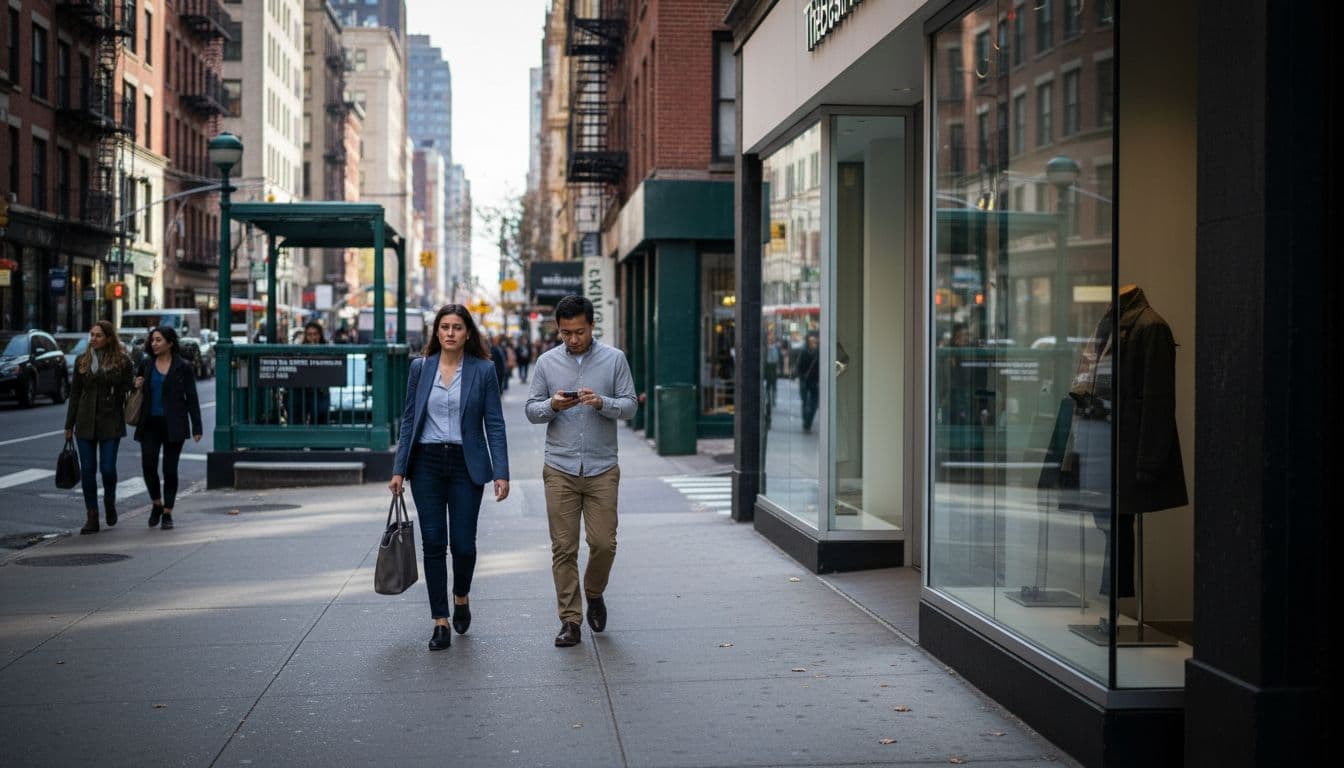
A practical NYC dispensary location should fit how New Yorkers move. Most customers do not drive door to door. They walk, take the subway, transfer to a bus, or pass by on the way home, especially those who order online for in-store pickup.
Because of that, access often beats raw visibility. A site near a subway entrance, on a wide sidewalk, and close to normal retail traffic is easier to use than a louder block like the Flatiron District with awkward crossings or heavy congestion. You want a storefront that people can reach without a long detour, and leave without feeling exposed or rushed.
The neighborhood mix matters too. A dispensary does well when it sits near everyday destinations, such as groceries, cafes, or service businesses, because that pattern supports steady movement all week and complements options like cannabis delivery. On the other hand, a block that depends only on late-night traffic may create operational strain and uneven demand.
That does not mean every good site has to be in the busiest part of Manhattan. In Brooklyn, Long Island City in Queens, the Bronx, and Staten Island, a practical location may be the one that sits inside a walkable local corridor with stable daily traffic and less competition for frontage. For context on how tight the market can be, this breakdown of leasing issues for cannabis retailers in New York City explains why strong legal retail sites are scarce.
You should also look at the customer experience from the curb. Is the entrance easy to spot? Is there room for a short line without blocking neighbors? Are the sidewalks clean and well lit? Those details sound small, but they shape whether a site feels usable or awkward.
Operations decide whether the site works every day
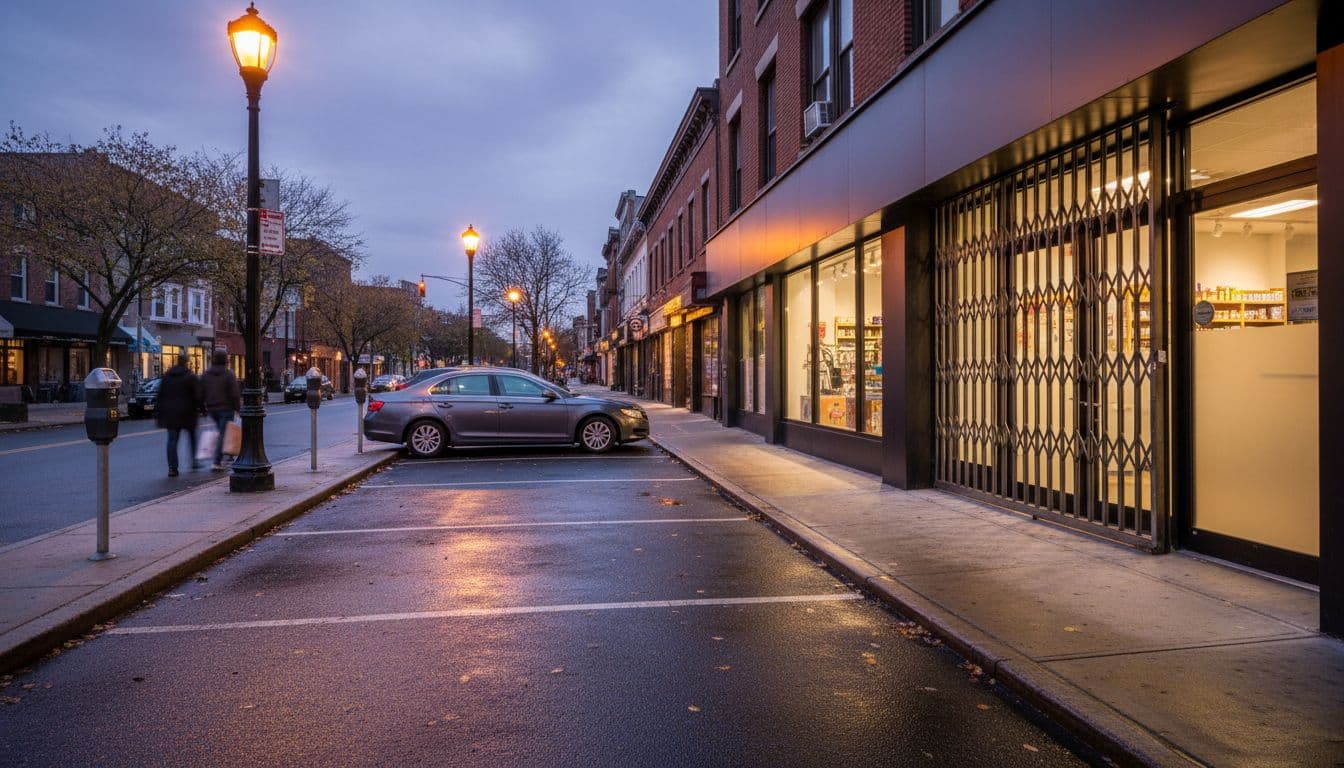
A storefront can pass legal review and still be a poor operating site. Daily retail needs space, flow, and building systems that support compliance.
Security is one of the first pressure points. You need room for controlled entry where budtenders verify government-issued ID for 21 and over customers, clear sightlines, camera coverage, and secure back-of-house storage. In a narrow or oddly shaped space, even basic customer flow can become messy. If staff cannot manage entry, checkout, and exits cleanly while educating on carry limits and private residence consumption rules, the location starts to work against the business.
Building systems matter just as much. HVAC, electrical capacity, internet reliability, trash handling, and delivery access affect daily performance. So do egress requirements and ADA access. A practical dispensary site is not the prettiest shell. It is the one that can support retail use without endless workarounds.
Inventory handling is also more structured now. Since January 2026, licensed operators in New York have used the Metrc tracking system for inventory. That means receiving, storage, and internal movement need a clean process and enough space to support products like cannabis flower, marijuana edibles, THC vaporizers, concentrates, and CBD oils, plus shelf space for popular cannabis brands. A site with no usable back room may look affordable at first, but it often creates friction later.
Parking is a borough-by-borough issue. In dense parts of Manhattan, transit access may carry the day. In parts of Queens or Staten Island, a few nearby legal parking options can make the site far more practical. This overview of retail site selection gating issues captures why parking, co-tenancy limits, and landlord restrictions often decide whether a location works in practice.
Frequently Asked Questions
What are the main distance restrictions for an NYC dispensary location?
Licensed adult-use dispensaries must be 500 feet from schools, 200 feet from houses of worship, and 1,000 feet from other recreational stores. These apply citywide due to population density. A compliant address also needs landlord approval and a suitable certificate of occupancy.
Why does access matter more than high visibility for a practical site?
New Yorkers mostly walk, subway, or bus to stores rather than drive, so sites near transit entrances and wide sidewalks draw steady traffic without detours. Flashy blocks with congestion can hinder flow and exposure. Pairing with nearby groceries or cafes supports all-day demand.
What building features make a location operationally practical?
Space for controlled entry, ID verification, clear sightlines, secure storage, and Metrc inventory tracking is essential. Reliable HVAC, electrical, internet, ADA access, and delivery zones prevent daily friction. Narrow or mismatched shells create compliance and flow issues.
How does parking factor into site selection across boroughs?
In dense Manhattan, transit access trumps parking, but Queens or Staten Island sites benefit from metered spots or nearby options. Lack of parking can limit deliveries and staff. Always check local co-tenancy and landlord cannabis restrictions.
Are there any upcoming rule changes to watch for?
A 2026 NYC bill proposes a 500-foot buffer from public youth facilities, still pending. Such shifts can impact long leases, so review sites with future risk in mind. Use proximity maps for thorough screening.
Conclusion
A practical NYC dispensary location is key to the best weed dispensaries in the metro area. It is not only about being visible. It has to clear state distance rules, fit the building, and make sense for how people move through the city.
When you look at a site through that lens, the strongest choice is usually the one that feels boring in the best way. It is compliant, reachable, and workable every day. That is what makes a licensed shop truly practical in New York City.


