You make a judgment long before you reach the counter. In a modern cannabis dispensary, that first judgment matters because you are looking for signs of legitimacy, care, and consistency.
A strong dispensary presentation tells you the business respects the rules, the products, and your time. Professional presentation builds consumer trust; when a licensed shop looks organized and acts with discipline, trust starts to form before the first question.
Key Takeaways
- A professional dispensary presentation starts at the door with clean exteriors, clear entry, and visible compliance signals, setting a tone of legitimacy and control before you enter.
- Inside, organized layouts, neat displays, transparent pricing, and well-maintained showcases reduce friction and build confidence in product quality and operations.
- Staff presentation—calm, knowledgeable, and respectful—turns visual order into trust, reinforced by consistent habits like clear answers and careful handling.
- Consistency across storefront, interior, staff behavior, and online presence makes good operations visible, essential for trust in a licensed NYC cannabis market.
Trust starts at the door
The storefront is the first sign. Clean windows, good lighting, clear entry flow, and a well-kept exterior tell you the business is stable. In New York City, where retail cannabis shops compete with noise and speed, calm order stands out.
Presentation at the door is not about luxury. It is about control. When you see posted hours, visible age-check procedures, and a tidy entrance, you read those details as signs of a serious operation. A messy facade suggests the opposite.
Accessibility matters too. A visible entrance and uncluttered path tell you the shop expects real foot traffic and plans for it.
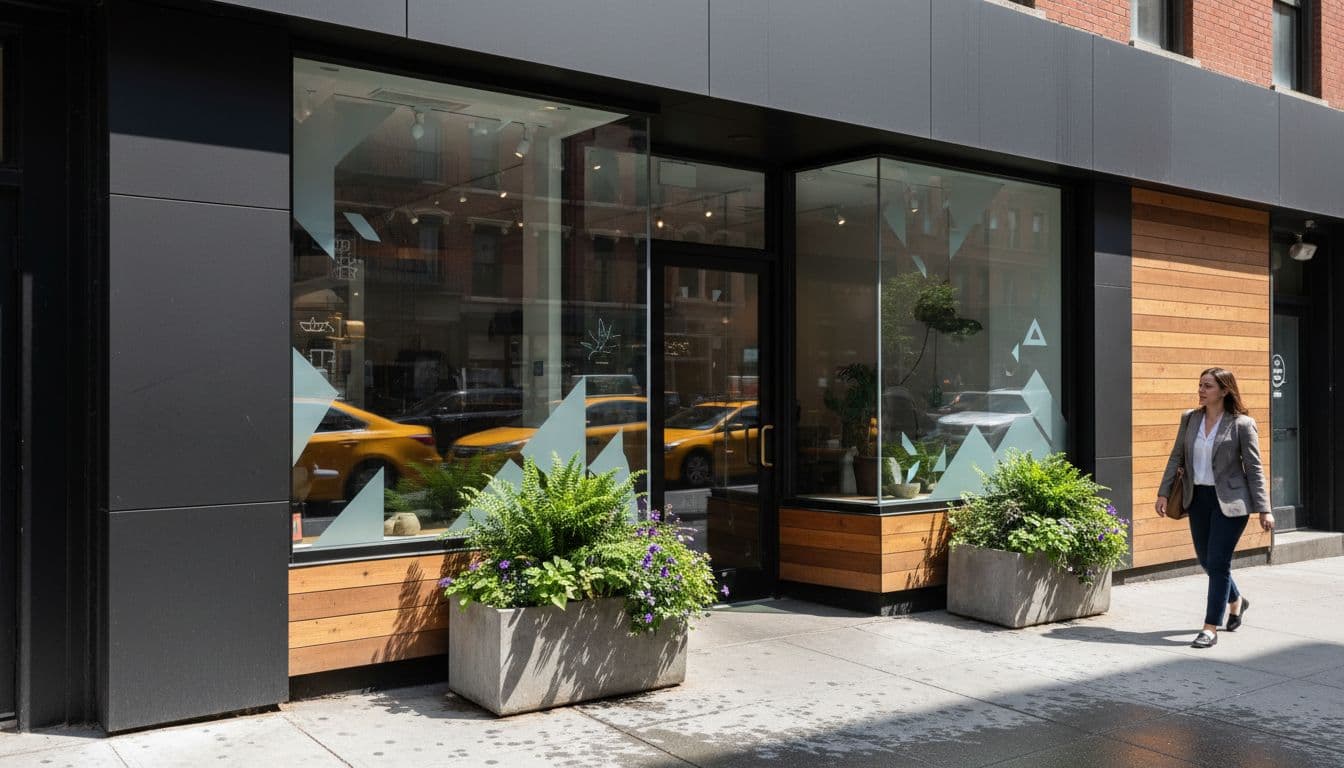
A polished exterior sets the tone before you step inside. These aesthetics function as marketing strategies, actively supporting the store’s outreach to potential customers.
The same goes for security. You want it present, not chaotic. A professional setup feels measured and respectful. It protects staff and customers without making the visit feel tense.
Some licensed operators describe this responsibility in public, including Hii NYC’s idea of a license as a trust document for adult use cannabis. That language matters because a cannabis license is not a casual retail permit. It carries public obligations, and good presentation helps make that responsibility visible.
Professional presentation does not replace compliance. It shows you that compliance is taken seriously.
Then the handoff from sidewalk to sales floor should feel easy. If the check-in process is clear and staff direct you without friction, you enhance the customer experience and are less likely to feel guarded. That is the real value of a strong first impression.
Inside the store, order creates confidence
Once you enter, the layout does quiet work. You should be able to tell where to go, how cannabis products are grouped, and where to ask questions. Confusion makes people doubt the store. Clear organization does the opposite.
Neat dispensary displays, clean counters, and readable category markers help you assess a shop fast. You do not need a dramatic design scheme. You need proof that the team handles inventory with care. In licensed cannabis retail, good visual order hints at strong back-room quality control too, much like the high standards in medical marijuana dispensaries.
Several details tend to build confidence at once:
- Cannabis products and CBD products are grouped in a way that makes sense, with dispensary displays highlighting options clearly.
- Pricing and key item information are easy to find.
- The checkout area looks clean, private, and well-managed.
- Display cases, including premium dispensary showcases like display pods, look maintained, not overstuffed; these allow safe viewing of cannabis flower and its terpene aroma.
This is where dispensary presentation becomes more than appearance. It reduces friction. If you can compare formats, understand the floor, and move at your own pace, you feel more in control of the visit.
Clear pricing also matters. When totals, taxes, and product limits are explained upfront, the store feels transparent. Surprises at checkout make people second-guess the entire visit.
That matters for new shoppers, but it also matters for returning ones. Familiar customers notice when displays drift, lines clog, or menus do not match what is on the shelf. Consistency tells you the store follows routines. Routines build trust because they lower the chance of mistakes.
Staff behavior turns presentation into trust
A store can look polished and still feel off. That usually comes down to people. Staff presentation is not about forced smiles or scripted lines. It is about calm, clear, respectful service grounded in solid staff training.

An approachable, prepared team often does more for trust than expensive decor.
When a budtender looks put together, listens before speaking, and answers in plain language about topics like drug interactions or protocols for an adverse event report, you relax, especially if you are in a medical cannabis program. You also notice the opposite right away. Rushed answers, side conversations, or pressure at the counter can undo every design choice on the sales floor.
Good staff presentation has a few common signs. You are greeted without being crowded. Questions are answered without jargon. When a team member does not know something, they say so and check. That honesty is far more reassuring than overconfidence, particularly when discussing the seed to sale story for hemp-derived products and their Delta-9 THC content.
Professionalism also shows up in small habits, supported by tools like PowerPoint templates used for consistent internal training and investor presentations. Receipts are handed over neatly. Orders are confirmed. Packaging is treated with care. Private questions stay private. These are basic retail behaviors, yet in cannabis they carry extra weight because the category is still new to many shoppers.
Your trust can also rise or fall before you visit. Many people in NYC check a menu, map, or store profile first. If hours are wrong, photos are outdated, or contact details are hard to find, the in-store experience starts with doubt. A clean, accurate site tells you the business respects your time as much as your purchase.
You can see that connection between hospitality and presentation on ALTA’s public overview, where the experience is described in human terms rather than pressure. That tone only works when the store matches it in person.
Digital polish should mirror the floor, not outperform it. When the site, listing, and physical space tell the same story, credibility gets stronger.
Frequently Asked Questions
What makes a strong first impression at a dispensary?
A clean storefront with good lighting, clear entry flow, visible hours, and tidy security measures signals stability and seriousness. These details show the business respects rules and customers without needing luxury. They stand out in busy areas like NYC, calming potential doubts right away.
How does the interior layout build trust?
Clear organization groups products logically, with readable markers, neat displays, and easy-to-find pricing, allowing quick assessment. This reduces confusion and hints at strong inventory control. Transparent totals and limits upfront prevent surprises, making the visit feel controlled and transparent.
Why is staff behavior key to dispensary presentation?
Professional staff deliver calm, jargon-free service, listen actively, and handle unknowns honestly, which reassures especially new or medical shoppers. Small habits like neat receipts and private handling carry weight in cannabis retail. They align with the store’s polish, preventing rushed or pressured vibes from undoing design efforts.
How does online presence connect to in-store trust?
Accurate menus, photos, hours, and profiles mirror the physical store’s order, respecting customer time pre-visit. When digital and in-person stories match, like ALTA’s human-toned overview, credibility strengthens. Inconsistencies breed doubt before arrival, while alignment reinforces the full experience.
Does presentation replace compliance in cannabis retail?
No, but it visibly shows compliance is taken seriously, as with Hii NYC viewing licenses as trust documents. It supports public obligations through order and discipline. Good presentation makes that responsibility clear without replacing regulations.
Conclusion
You usually know within minutes whether a dispensary feels trustworthy. The look of the store matters, but the deeper signal is consistency.
A strong dispensary presentation shows you that the business pays attention to details that affect safety, clarity, and customer comfort. When the storefront, sales floor, staff, and online presence align, trust no longer depends on promises.
That is what professional presentation should do in a licensed NYC market. A custom design helps a shop stand out amid the competition, signaling the level of professionalism needed to secure investor funding and achieve long-term business viability. It makes good operations visible.