
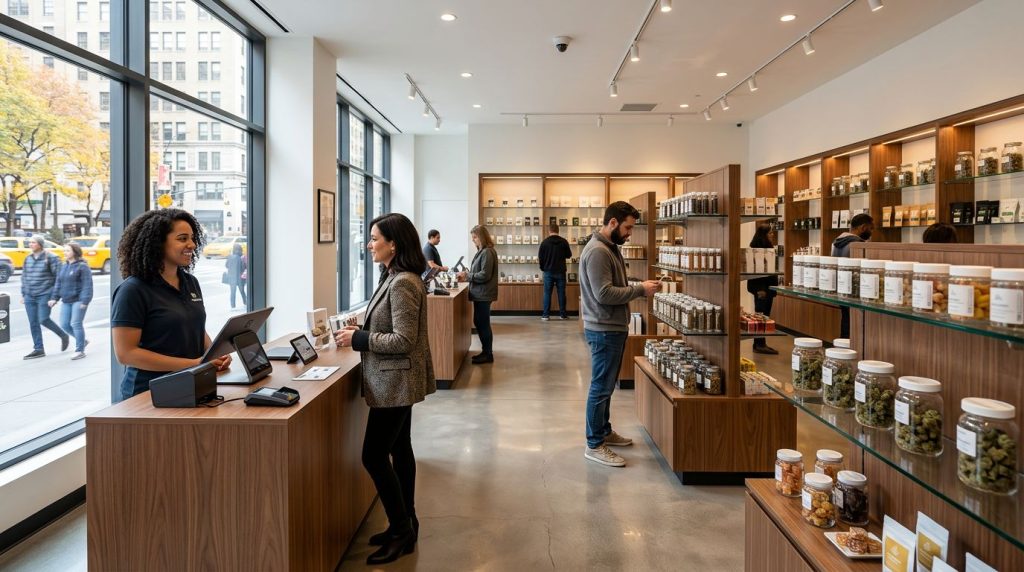
In cannabis retail, one dispensary can feel calm at rush hour, while another feels cramped with half the traffic. The difference is often dispensary customer flow, the way a licensed store guides you from the door to the register.
When that flow works, it enhances the customer experience; you spend less time waiting and more time getting clear answers. In NYC, where licensed shops balance compliance, security, and customer service, the layout matters as much as the menu.
Once you know the pattern, it becomes easier to spot a store that is organized for both safety and ease.
Key Takeaways
- Dispensary customer flow starts at the door with organized check-in, age verification, and waiting areas to control traffic, ensure compliance, and set a calm tone for the visit.
- Effective layouts feature clear aisles, logical product zones, accessible staff stations, and space for both quick grabs and detailed consultations, making browsing intuitive without congestion.
- Checkout succeeds when separated from the sales floor, with visible queues, efficient POS systems, and clear exit paths to prevent bottlenecks and maintain smooth pacing.
- In licensed NYC stores, seamless flow feels invisible, balancing security, product education, and speed to enhance the overall customer experience.
The visit starts at the door, not the shelf
Your path usually begins before you see any products. In a licensed dispensary, the entrance has a job to do. Staff handle the check-in process to verify age, manage occupancy, and keep the sales floor from getting crowded.
For regulatory compliance, many stores split the front end into stages. First comes the door check. Next comes a waiting area. Only then do you move onto the floor. If you arrive during a busy hour, that pause near the entrance is often part of the plan, not a service failure.
A good entry setup also protects the pace inside. When too much foot traffic reaches the sales floor at once, staff conversations get interrupted and checkout lines grow fast. Controlled entry keeps the room readable. You know where to stand, who to speak with, and what happens next.
That system works best when staff follow the same routine every time. Clear handoffs matter, which is why many operators rely on budtender training to keep entry, consultation, and checkout consistent.
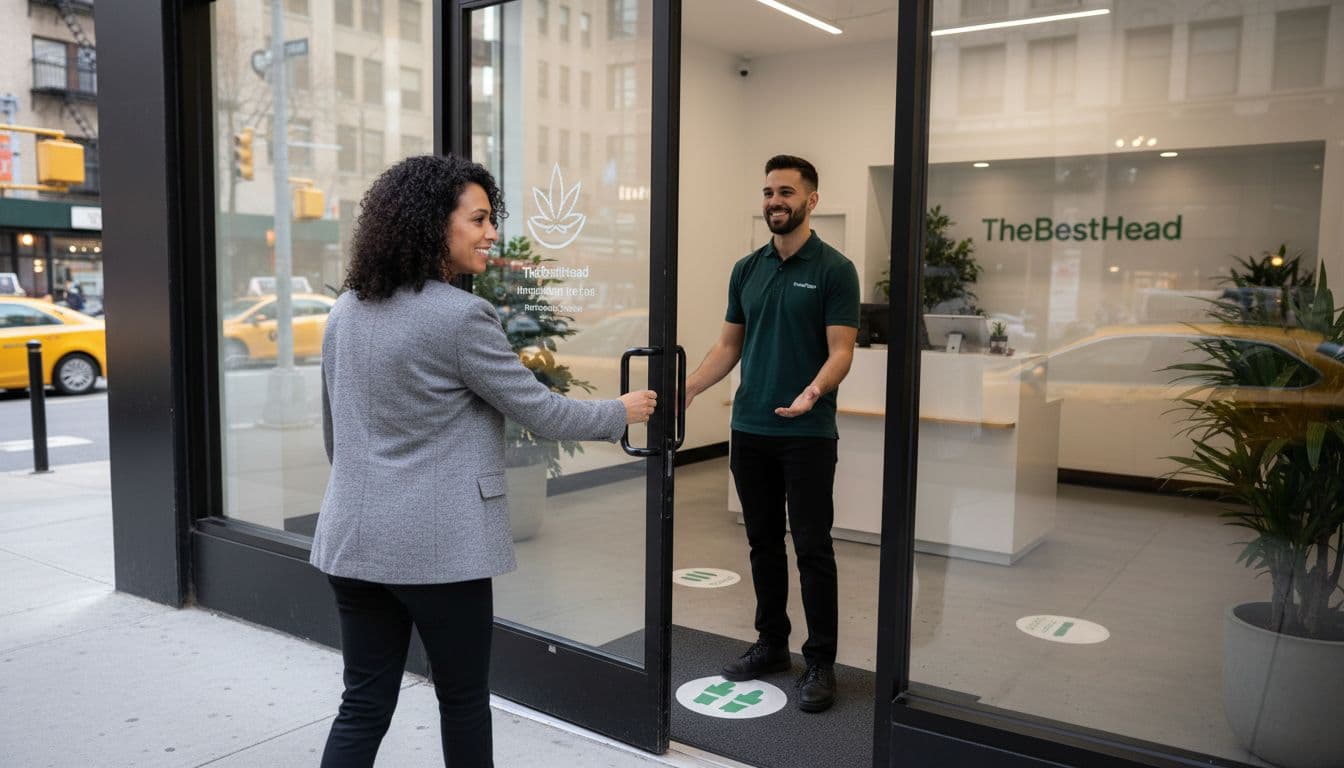
Security plays a role here too, but the best stores keep it low-friction. You may notice cameras, a host station, or staff posted near the entrance. Still, the room should feel ordered, not tense. In a licensed setting, good flow often means regulatory compliance is present without taking over the experience.
When entry is organized, the rest of the visit usually feels calmer.
That first impression matters more than people think; it shapes the store’s brand identity. If the doorway is jammed, customers tend to bunch near the front, ask the same questions twice, and hesitate before moving deeper into the store. A clean entrance resets all of that, boosting the customer experience.
Layout turns browsing into a clear path
Once you’re inside, the retail layout takes over. A well-run dispensary does not make you guess where to go next. Instead, the space quietly guides you through browsing, staff help, and product comparison for effective product education.
In larger stores, that can mean wide aisles and clear category zones. In smaller NYC shops, it often means perimeter displays, open center space, and visible staff stations. Either way, the goal is the same: keep people moving without making them feel rushed.
You should be able to scan the room fast. Flower, pre-rolls, edibles, vapes, and accessories should sit in logical sections. Staff should be easy to find from most angles. Digital menus or display cases should support the conversation, not block it. If you have to double back across the room to compare common categories, the layout is doing too little work.
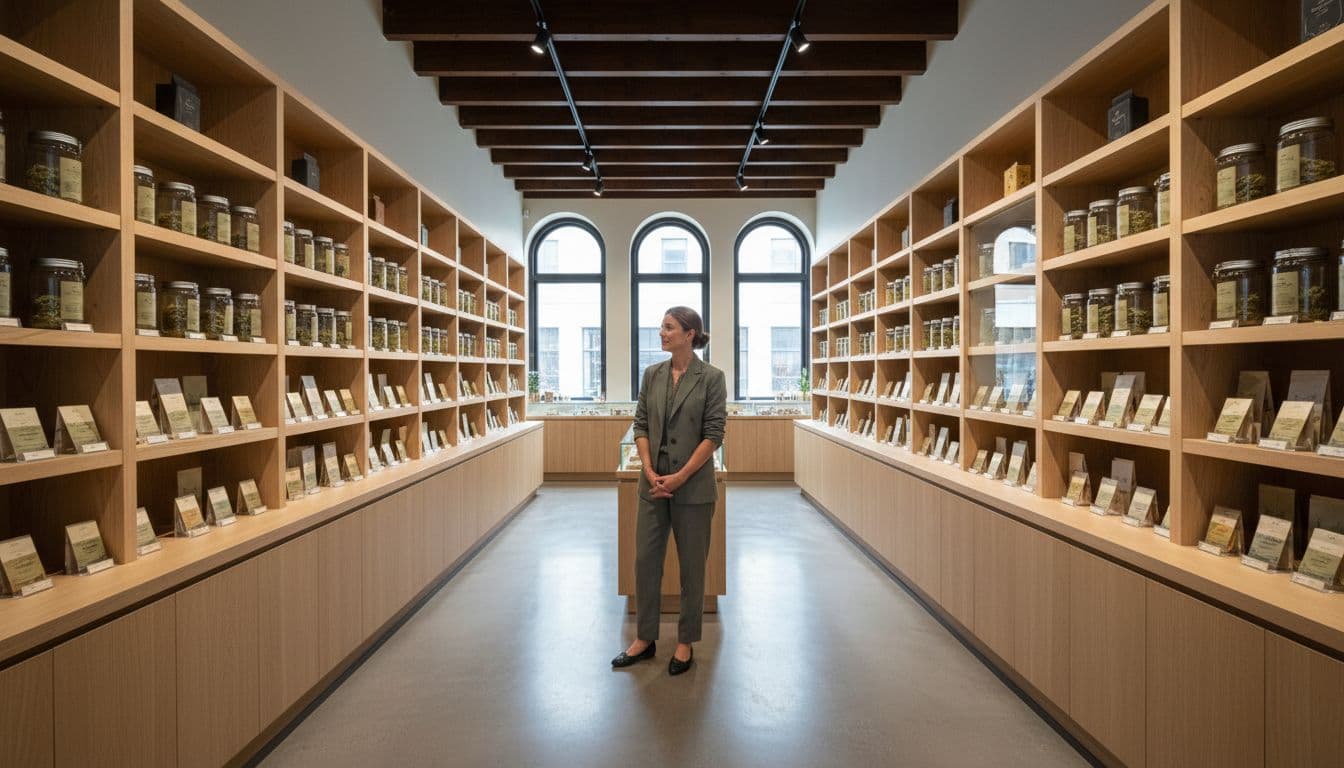
Good dispensary customer flow also depends on pacing. Some shoppers want a longer consultation. Others already know what they want. Smart stores create room for both. A first-time customer can step into a guided conversation focused on product education and personalized recommendations from budtenders, without blocking a repeat customer who only needs a quick stop at a self-service kiosk, case, or digital menu.
Staff placement matters as much as shelf placement. If every question funnels to one busy counter, the sales floor slows down. When team members spread across the room, they can catch confusion early and redirect traffic before small clusters turn into bottlenecks.
Accessibility is part of flow as well. Aisles need enough space for comfortable movement. Displays should not force awkward turns or crowding. In busy urban cannabis retail, even a few extra feet of open space can change how a room feels.
You can often tell within seconds if a store has solved this problem. The room feels easy to read. People are moving, but not weaving around each other. That is the layout doing its job.
Checkout is where good flow either holds or breaks
A strong sales floor can still fall apart at the register. Checkout is where small delays stack up fast, especially during evenings, weekends, or holiday spikes. If the checkout process, packaging, and final questions happen in the same cramped spot, the line slows for everyone behind you.
That is why many licensed dispensaries separate consultation from the checkout process. You talk with staff on the floor, make your selections, then move to a counter built for speed and verification. The handoff should feel clean. Your order gets confirmed, the checkout process gets handled via point of sale systems, and the exit path stays clear.
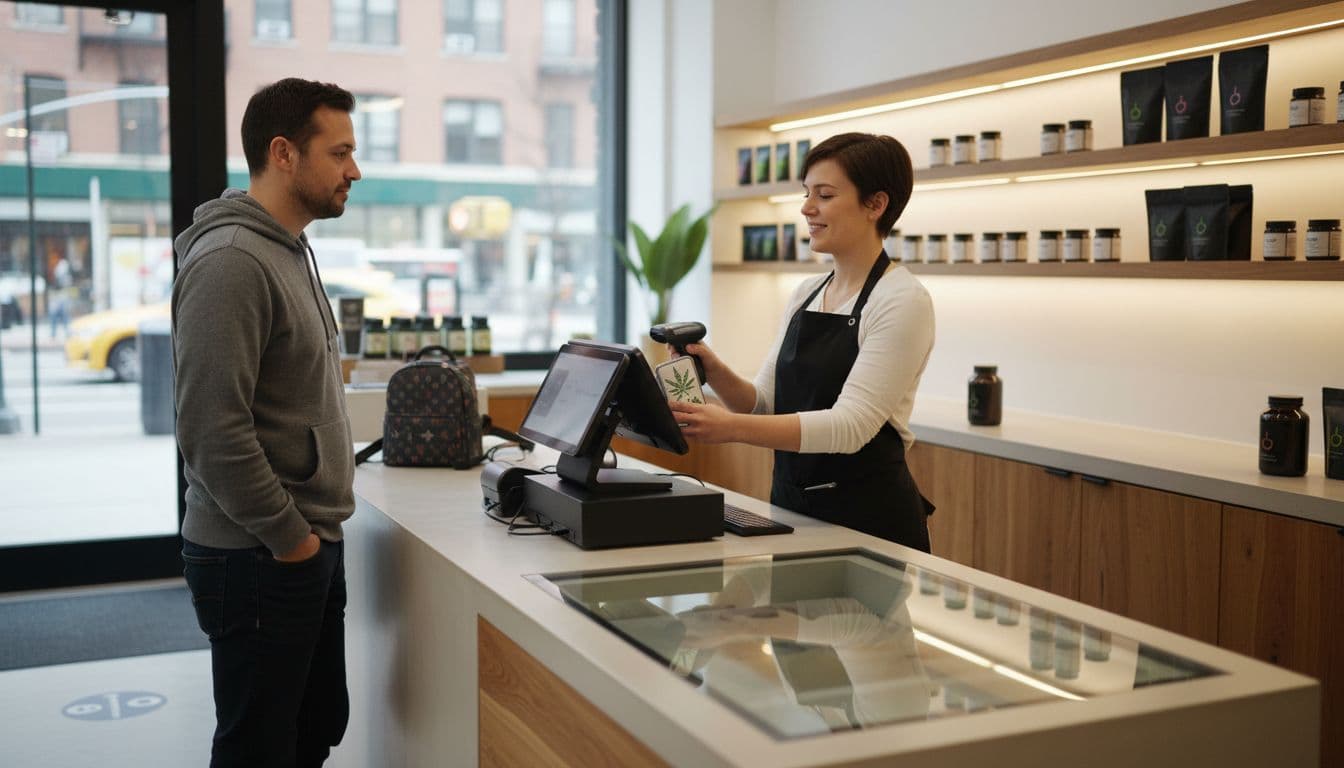
Queue management matters here. When you can tell where the queue starts, how it moves, and which register is open, you are less likely to hover or cut across other customers. Short barriers, floor spacing, and open sightlines help more than flashy fixtures.
The best checkout areas also protect staff focus. Point of sale systems need room for payment tools, order review, secure storage, and product handling. Clean inventory management in the back-end prevents checkout delays by ensuring quick verification without errors. Dispensaries often streamline this with online ordering and order pickup options, letting customers bypass the main browsing floor for better dispensary customer flow. A swift fulfillment process gets those orders to the counter fast. During the checkout process, staff can also update loyalty programs or customer profiles seamlessly.
For state-specific background on adult-use operations, New York retail operations guidance gives useful context for how licensed shops structure daily procedures.
A final detail often goes unnoticed: the exit route. Good dispensary customer flow avoids crossing streams, with clear signage marking paths so people leaving do not push back through customers waiting to check in. Omnichannel shopping ties this together, linking digital orders to smooth in-store experiences. When entry and exit paths stay clear, the whole store feels more settled.
The best dispensary customer flow feels almost invisible. You move from ID check to browsing to payment without wondering where to stand or who to ask.
When you visit a licensed dispensary in NYC, watch the room for a minute before you shop. The path people take tells you a lot about how the store runs, and how seriously it takes both compliance and your time. High net promoter scores show when stores nail this flow.
Frequently Asked Questions
What is dispensary customer flow?
Dispensary customer flow is the structured path that guides shoppers from entry to exit in licensed cannabis stores. It balances compliance, security, and service to minimize waits and confusion. When done right, it makes the visit feel calm and efficient, even during peak hours.
Why does the entry process matter so much?
The entry handles age checks, occupancy limits, and initial traffic control to prevent overcrowding on the sales floor. A well-managed door with consistent staff routines keeps conversations focused and lines short inside. It sets the first impression, shaping how customers perceive the store’s organization.
How can you tell if a store’s layout supports good flow?
Look for wide aisles, logical product categories like flower and edibles, and visible budtenders spread across the space. The room should be easy to scan without doubling back or weaving through crowds. Open areas allow for both quick self-service and guided product education.
What makes checkout smooth in busy dispensaries?
Separate consultation from payment areas, use clear queue markers, and equip counters with efficient POS for fast verification and packaging. Online order pickups bypass browsing crowds, while distinct exit paths avoid crossing incoming traffic. This prevents delays from stacking up during evenings or holidays.
How does good customer flow impact the experience in NYC stores?
It complies with regulations without tension, lets staff provide personalized recommendations, and frees customers to focus on products. High-traffic urban shops that nail flow earn better satisfaction and loyalty. Watch how people move in the room to spot stores that prioritize both safety and ease.


