
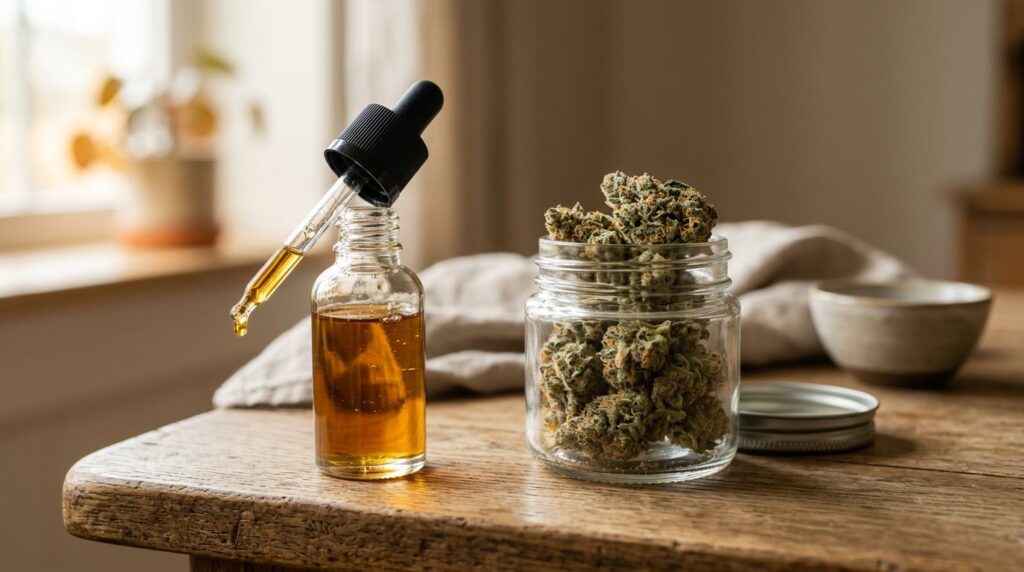
Picking a cannabis product can feel harder than it should. The label says gummy, tincture, vape, or flower, but your real question is simpler: what do you want the experience to feel like?
If you are comparing CBD (cannabidiol) and THC (tetrahydrocannabinol), start with your goal. Both compounds originate from the cannabis sativa plant and share a similar molecular structure, yet they interact with your body to produce distinctly different results. The right choice often has less to do with hype and more to do with clarity, intensity, timing, and how much change you want to notice.
That goal-first approach makes the rest of the label easier to read.
Key Takeaways
- Prioritize your goal: Define whether you want to remain clear-headed or seek a noticeable shift before choosing a product.
- Look beyond the acronym: THC and CBD are not just labels; check the specific milligram amount per serving to understand the potency and expected experience.
- Format changes the pace: How you consume the product—whether through inhalation, ingestion, or other methods—significantly alters the onset time and duration of the effects.
- Ratios matter: Balanced formulas, such as a 1:1 ratio of CBD to THC, often provide a more measured experience by allowing the cannabinoids to work in tandem.
Start with the outcome, not the acronym
Most confusion starts with one bad assumption: CBD and THC are not product categories. They are cannabinoids found in the cannabis sativa plant, and they can appear alone or together in the same product. A gummy can be CBD-dominant, THC-dominant, or balanced. The form tells you how you take it, while the cannabinoid profile dictates the experience you may notice.
To understand why these products vary, it helps to look at the legal and chemical distinctions. While medical marijuana and industrial hemp look nearly identical, their concentrations of cannabidiol and THC differ significantly. Following the 2018 Farm Bill, hemp-derived CBD became widely available, provided it stays under strict THC limits. However, because both compounds originate from the same cannabis sativa plant, the line between them can feel blurry.
THC is the compound most linked with psychoactive effects. CBD does not create the same kind of high, yet the split is not as simple as calling THC strong and CBD mild. Dose, ratio, terpene profile, and your own tolerance all shape the result. If you want a research-based overview, this review of THC and CBD differences gives useful background without the usual marketing spin.
That is why product names can mislead you. Terms like relax, uplift, or sleep do not tell you enough on their own, and neither do strain names. You need to check the milligrams of THC and CBD, the serving size, and the format. Once you read those details together, the label starts to make sense.
The same logic applies in New York City. Menus can vary from one licensed dispensary to another, but your filter stays the same. First decide how impaired, or how clear-headed, you want to be. Then compare products through that lens.
How CBD and THC usually feel different
When people weigh CBD vs THC, they usually want to know one thing: what will I feel? The difference begins at the biological level, specifically within the endocannabinoid system. This vast network of cannabinoid receptors regulates how our bodies process these compounds. THC binds primarily to the CB1 receptor, which triggers a psychotropic effect. This shift often manifests as euphoria, altered perception, a heavier body sensation, or changes in appetite. Some adults seek that experience, while others prefer to avoid those effects during a busy workday or a commute.
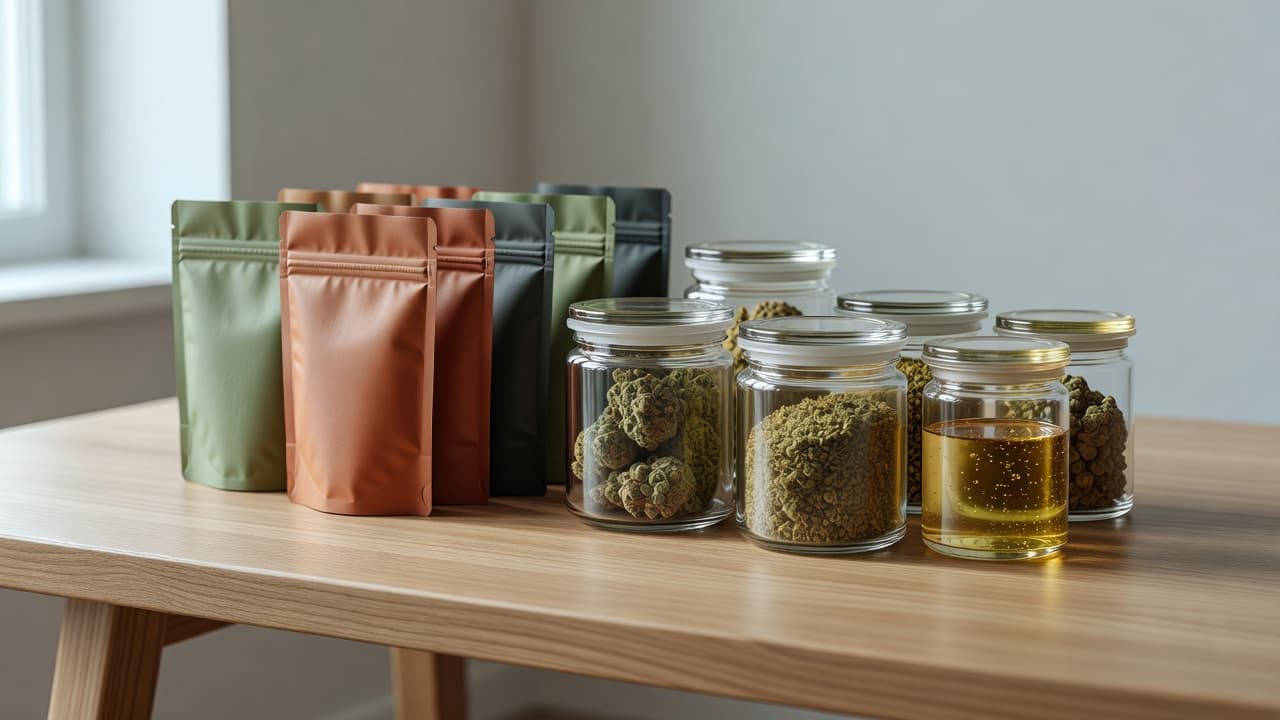
In contrast, cannabidiol, commonly known as CBD, offers a different experience. Because of its unique molecular structure, CBD does not bind to the CB1 receptor in the same way, making it non-intoxicating. Instead, it interacts more with the CB2 receptor and other pathways, often valued for its unique therapeutic properties. You may not notice a dramatic moment when it kicks in, especially at modest amounts. In mixed formulas, CBD can sometimes soften the intensity of THC for certain users, though these outcomes are not guaranteed for every person. The FDA overview of cannabis and CBD products is a useful reminder that labels, ingredients, and effects can vary more than many shoppers expect.
If you need to stay clear-headed, treat THC as the main variable on the label.
Timing also matters. An inhaled THC product can feel different from a THC edible, even at a similar dose. The same applies to CBD. When you compare the two, do not stop at the cannabinoid name. Look at the amount, the ratio, and the format together. That is where most of the real-world difference shows up.
Match common goals to the cannabinoid profile
A quick comparison can help you narrow the field before you look at brands or formats.
| Your goal | Often a better fit | Why it tends to fit |
|---|---|---|
| Stay clear-headed | CBD-dominant or very low-THC products | You are less likely to feel intoxicated |
| Feel a noticeable shift | THC-dominant products | THC is more likely to create euphoria and impairment |
| Split the difference | Balanced ratios, such as 1:1 | You may get a more measured experience |
| Wind down later in the day | Low-to-moderate THC or a balanced formula | You may want more body feel and less daytime sharpness |
| Keep dosing more predictable | Precisely dosed edibles or tinctures | Per-serving milligrams are easier to compare |
The pattern is simple. As THC rises, the chance of a strong mental or physical shift usually rises with it.
If you want little or no intoxication
A CBD-dominant product often makes more sense when you have work, errands, or social plans that call for a steady head. High-quality hemp-derived CBD is a popular choice for those seeking these results without unwanted psychoactive effects. Low-THC options can fit this lane too. In practice, that means you should pay close attention to the THC number per serving, not only the total amount in the package.
This is also where product types begin to matter. Full-spectrum CBD includes a wide range of cannabinoids, while broad-spectrum CBD offers a similar range but with the THC removed. CBD isolate provides pure cannabidiol without other plant compounds. Those terms can shape the experience, but they should come after the milligram check. A label with low THC and clearly stated CBD content tells you more than a vague wellness claim.
If you want a stronger THC effect
THC-dominant products fit when you want a noticeable shift, not a subtle one. This is often the profile explored by individuals managing chronic pain or those dealing with nausea and vomiting. That may mean more euphoria, more body heaviness, or more distance from your normal pace. For some adults, that fits an evening at home. For others, it is too much for a casual setting.
Serving size matters as much as the headline number. A package can look mild until you see that one serving carries a high THC amount. That is why the per-serving line often matters more than the total milligrams in bold print on the front.
If you want the middle ground
Balanced ratios sit between those poles. A 1:1 or 2:1 CBD-to-THC product can feel more measured than a THC-dominant option, yet more noticeable than CBD alone. Many adults prefer this lane because the combination of compounds facilitates the entourage effect, where cannabinoids work together to provide a more holistic outcome.
You still need to read carefully, though. Two products can both say balanced while carrying very different total doses. One might have 2.5 milligrams of THC per serving. Another might have 10. The ratio is helpful, but the total amount still shapes the experience.
Product form matters as much as cannabinoid choice
The same cannabinoid profile can land differently depending on how you take it. Whether you are using concentrates derived from the cannabis sativa plant or finished goods, the delivery method significantly alters your biology and the onset of effects. Flower and vapes tend to act faster, so you usually know sooner how the product is affecting you. Edibles take longer and often last longer, while tinctures can sit somewhere in the middle depending on the formula and how you use them. Topicals are their own category and usually are not chosen for an intoxicating effect.
The format changes the pace of the experience, even when the cannabinoids stay the same.
That matters because your goal includes timing. You may want a short window, a longer stretch, or a format that feels easier to measure. Products with clear per-serving dosing can be easier to compare than products measured by puffs or shared sessions. When selecting your format, it is also wise to consider potential side effects like dry mouth or fatigue, which can be influenced by the speed of absorption. Furthermore, you should always consult a professional regarding potential drug interactions, especially when introducing new cannabinoids into your routine. This does not make one form better than another; it simply means the best format depends on when you want effects to begin, how long you want them to last, and how much control you want over the serving.
If you want a plain-language refresher on the basics, WebMD’s summary of CBD and THC differences is a quick companion read. Still, the core rule holds up: compare the cannabinoid and the format at the same time, not one after the other.
What to check before you decide in NYC
If you shop in New York City, focus on licensed dispensaries and clearly labeled products. Regulated products should show cannabinoid content, ingredients, warning language, and testing information. While this does not predict exactly how you will feel, it provides a much more reliable basis for comparison than branding alone. Always remember that while cannabis is legal in New York, THC remains a schedule I drug at the federal level, which can still impact professional life and drug testing requirements for many NYC employees.
Start with the numbers that matter most. Check THC per serving, total THC per package, CBD per serving, and the ratio between the two. While there is a wealth of products on the market, it is important to note that Epidiolex is currently the only FDA approved medication containing CBD, and it is used specifically for the treatment of epilepsy and seizures. Outside of medical prescriptions, you should look at ingredients, especially for edibles, and check whether the product lists other cannabinoids. Terms like full-spectrum can add context, but actual milligrams should guide your decision first.
From Manhattan to Queens, menus can look different, and the same goes for packaging style. The label basics do not change. If two products seem similar, choose the one that tells the clearer story about dose and ratio. Clear labeling usually leads to clearer expectations.
You should also keep your own setting in mind. A product that fits a quiet night at home may not fit a crowded afternoon or a day full of obligations. Your goal is not abstract. It lives inside a real schedule, a real tolerance level, and a real setting.
Frequently Asked Questions
Will CBD get me high like THC does?
No, CBD is non-intoxicating and does not produce the same psychoactive effects as THC. While THC binds to receptors in your brain to create a sense of euphoria, CBD interacts with different pathways and is typically chosen by those who want to remain clear-headed.
Can I mix CBD and THC products?
Yes, many products are specifically formulated to contain both cannabinoids in varying ratios. Combining them can lead to the ‘entourage effect,’ where the two compounds work together to provide a more balanced or holistic experience for the user.
Does the method of consumption affect how I feel?
Absolutely; your delivery method, such as a vape versus an edible, dictates how quickly you feel the effects and how long they last. Inhaled products generally act faster, while edibles take longer to process through the digestive system and typically provide a longer-lasting sensation.
How do I know which dose is right for me?
Start by checking the per-serving milligram content on the product label rather than the total amount in the package. Because tolerance varies by individual, it is best to begin with a low dose and adjust slowly based on your personal comfort and desired outcome.
Final thoughts
The label looks simpler once you stop treating CBD and THC like a popularity contest. Your goal is the filter.
If you want little or no intoxication, move toward cannabidiol dominant or very low-THC options. While cannabidiol is widely researched for its therapeutic properties, including its clinical use for epilepsy and seizures, some users may still experience mild side effects. If you want a noticeable shift, tetrahydrocannabinol becomes the main number to watch. While this compound is effective for managing conditions like nausea and vomiting, it is important to be aware of potential side effects such as impaired coordination or anxiety. If you want something in between, a balanced ratio often provides the clearest middle path.
That is the real answer to the comparison of CBD vs THC. By understanding how these cannabinoids work, particularly in clinical applications like treating epilepsy and seizures, you can better navigate your choices. Ultimately, choose the product that fits your day, your setting, and the level of change you actually want to feel.


