

A cannabis label can list 30% THC and still tell you very little about how a product may smell, taste, or feel. Cannabis terpene profiles add useful context because they describe the aromatic compounds that shape a product’s character.
If you have ever found two products with similar THC levels but very different experiences, terpenes may help explain the difference. These cannabis-derived terpenes are secreted in the resin glands, known as trichomes, of the plant alongside key cannabinoids, explaining why different products offer distinct aromas and experiences. They do not predict a guaranteed result, but they give you a clearer starting point than strain names alone.
Key Takeaways
- Terpenes are aromatic compounds found in cannabis and many other plants, including citrus, pine, lavender, and black pepper.
- Myrcene, beta-caryophyllene, limonene, terpinolene, pinene, and linalool appear often in commercial cannabis profiles.
- Relying solely on the name of cannabis strains is not a reliable substitute for a current lab-tested terpene breakdown.
- THC level, dose, other cannabinoids, route of use, and how they interact with your endocannabinoid system and setting all affect your experience.
- When reviewing legal cannabis in New York City, use licensed dispensary labels and test results as your main reference.
What a Cannabis Terpene Profile Measures
Terpenes are volatile compounds, which means they evaporate easily and create a noticeable aroma. They give cannabis its citrus, floral, earthy, fuel-like, sweet, herbal, or peppery notes. These aromatic compounds form the basis of plant essential oils and are classified into smaller monoterpenes like limonene and larger sesquiterpenes like caryophyllene. The same compounds also appear throughout nature. Limonene is common in citrus peel, while pinene occurs in pine trees and rosemary.
A terpene profile identifies which of these compounds are present and how much of each appears in a tested sample. Some labels list only the leading three terpenes. Others provide a fuller laboratory panel with percentages for individual compounds and a total terpene percentage.
The profile matters because a product’s aroma is part of its usable information. A flower cultivar that smells sharply of lemon may have a meaningful amount of limonene. A peppery, earthy product may contain more beta-caryophyllene. Still, aroma alone cannot confirm lab chemistry.
Research on commercial cannabis sativa also shows that strain names do not consistently match a fixed chemical profile. Blue Dream grown by one producer may not have the same dominant terpenes as Blue Dream from another cultivation site. Harvest timing, genetics, curing, storage, and testing methods all influence the finished product.
That is why a current batch label carries more weight than a familiar name. A New York-focused guide to cannabis terpenes also points out that product menus and lab reports can help you connect listed compounds with the aromas you notice.
A terpene profile is useful evidence, not a promise. Use it to compare products, then let the product’s current test results guide your expectations.
Aroma is the most dependable clue
Terpenes reliably affect scent and flavor. Claims about mood, focus, or relaxation need more care. Human research on cannabis terpenes remains limited, and studies do not support treating a single terpene as a guaranteed outcome. Furthermore, while terpenes work in tandem with THC and CBD through the synergy known as the entourage effect, research on guaranteed therapeutic effects is still evolving.
Your response may also differ from someone else’s. THC concentration, CBD and minor cannabinoids, your tolerance, amount consumed, and where you are all matter. If you are new to a product, start with a small amount and allow time before deciding whether it suits you.
The Most Common Terpene Profiles
Commercial testing frequently finds myrcene, beta-caryophyllene, and limonene among the leading terpenes in cannabis. However, the compounds work as a profile, not as isolated switches. A limonene-forward flower with substantial myrcene can smell and present differently than one with limonene and pinene.
This quick terpene chart helps you recognize the profiles most often listed on licensed menus.
| Terpene | Common aroma notes | Often seen in profiles described as |
|---|---|---|
| Myrcene | Earthy, musky, clove-like | Full-bodied, relaxed |
| Beta-caryophyllene | Pepper, spice, wood | Grounded, rich |
| Limonene | Lemon, orange, citrus peel | Bright, citrus-forward |
| Alpha-pinene | Pine needles, herbs, rosemary | Crisp, fresh |
| Linalool | Lavender, floral, soft spice | Floral, gentle |
| Terpinolene | Sweet herbs, citrus, pine | Lively, layered |
| Humulene | Earth, woody, hops | Herbal, earthy |
These labels describe sensory patterns, not medical effects. The fuller profile gives you more useful information than any single terpene alone.
Myrcene: earthy and musky
Myrcene is one of the most common dominant terpenes in commercial cannabis. It often brings earthy, herbal, musky, and faintly clove-like notes. You may notice it in products with a deeper aroma rather than a sharp, fresh citrus character.
Consumers often associate myrcene-heavy products with relaxation, sometimes attributing sedative effects to strains rich in this compound. That language is common on retail menus, but it should not be read as a medical or sleep claim. Myrcene can appear alongside limonene and caryophyllene in many familiar cultivars, including products marketed under OG-style names.
Beta-caryophyllene: peppery and warm
Beta-caryophyllene has a recognizable black pepper scent, often mixed with wood, spice, or diesel notes. It is chemically distinct because it can interact with CB2 receptors in laboratory research, leading to studies on its potential anti-inflammatory properties. That fact does not make it a treatment, nor does it predict how a particular product will affect you.
In practical terms, caryophyllene helps explain why a product may smell peppery or savory. It commonly appears with myrcene in richer profiles and with limonene in pungent citrus-and-spice combinations.
Limonene: citrus-forward and sharp
Limonene smells like lemon zest, orange peel, and fresh citrus. Products with limonene near the top of the lab report often have a bright, recognizable nose, although other terpenes can soften that impression.
Many shoppers use limonene as a signal for an uplifting or daytime-leaning profile. That can be a useful personal preference, yet the effect still depends on the whole product. A high-THC product may feel intense regardless of its lemon aroma.
Pinene: pine, herbs, and fresh air
Alpha-pinene and beta-pinene produce scents associated with pine needles, rosemary, basil, and forest-like herbs. Pinene can make a profile feel cleaner and sharper than an equally potent product with myrcene as the lead terpene.
You may see pinene listed alongside limonene in citrus-pine cultivars. It also appears in some classic haze and diesel-style profiles. If you enjoy herbal scents over sweet or dessert-like aromas, pinene is a useful term to watch for.
Linalool and terpinolene: floral versus vivid
Linalool is the lavender-like terpene. It can add a floral, soft, lightly spicy quality to a profile. It may sit lower on a label than myrcene or caryophyllene yet still shape the aroma in a clear way.
Terpinolene has a more changeable scent. It can read as sweet, herbal, citrusy, woody, or slightly floral. Terpinolene-dominant cultivars, including many Jack Herer and Super Lemon Haze examples, often have an aromatic profile that feels more energetic and less earthy.
Read the Lab Report Before the Strain Name
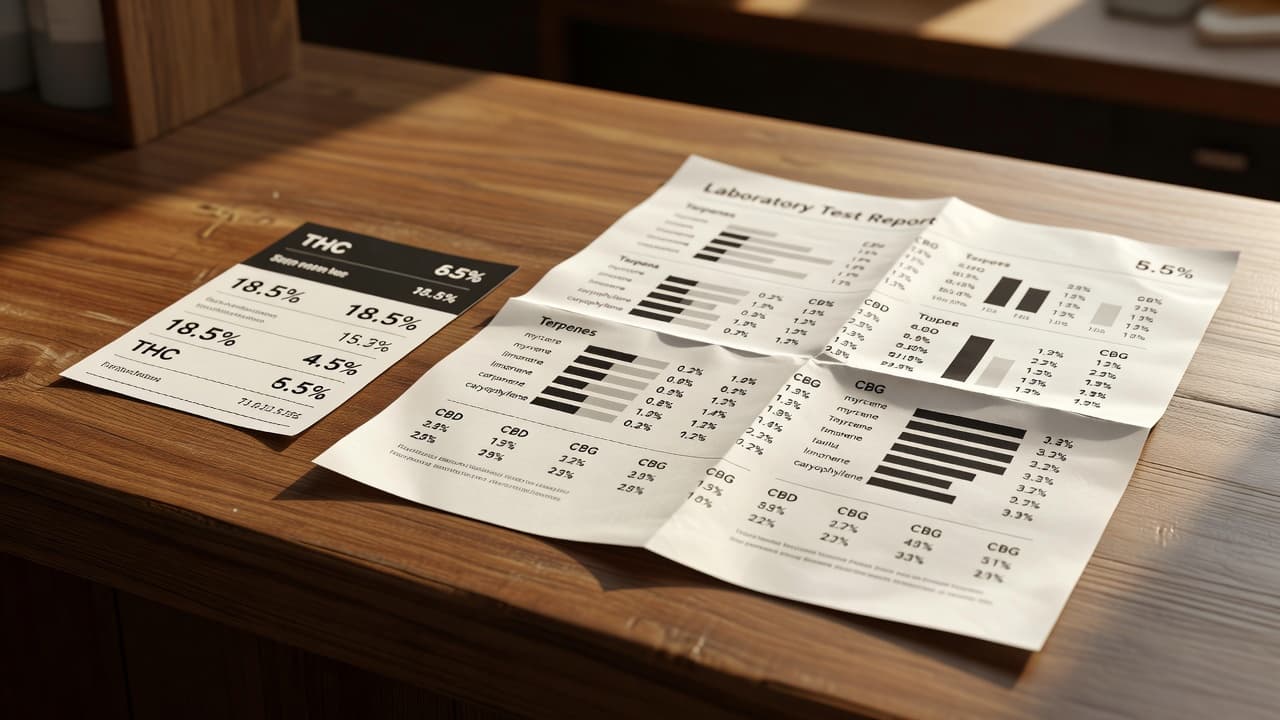
In New York’s regulated market, lab-tested adult-use products give you a stronger basis for comparison than informal descriptions. As standard terpene testing procedures become more widespread across the cannabis industry, you can easily check the package or linked certificate of analysis for the batch number, test date, cannabinoid results, and terpene panel.
First, look for the dominant terpene. Then read the next two or three listed compounds. A product with myrcene, caryophyllene, and limonene may smell earthy, peppery, and citrusy at once. That blend gives you a more realistic expectation than a label that simply says indica or hybrid.
Next, compare terpene percentages only among similar product types. Whole-flower products and full spectrum extracts showcase very different aromatic profiles compared to isolated distillate formulations. Higher terpene numbers do not automatically mean a better experience. A balanced profile that you enjoy may suit you better than a product with a high total percentage and an aroma you dislike.
Storage also matters. Heat, air, and light can degrade aromatic compounds over time. When possible, review the package date and keep sealed products stored as directed on the label.
You can find a plain-language overview of how licensed menus present cannabinoids and terpenes in this NYC cannabis basics guide. The important point is simple: use the current package data, not assumptions based on branding.
Use Terpenes to Build Your Own Reference Points
Your first few terpene comparisons can be straightforward. If you enjoy a product’s aroma and overall experience, save the leading terpenes from that batch. Over time, you may notice repeat preferences as you compare different cannabis strains against modern lab-tested profiles.
For example, you may prefer floral products where linalool appears near the top. Or you may keep returning to citrus-and-pine combinations featuring limonene and pinene. Another person may favor the peppery depth of caryophyllene and humulene, which are often associated with anti-inflammatory potential. None of those patterns guarantees a result, but they can make future menu browsing more informed.
Keep your notes practical. Record the product name, producer, date, format, leading terpenes, THC level, and aroma. Then add a short description of your experience after enough time has passed. This approach is more useful than trying to sort every product into “sativa,” “indica,” or “hybrid.”
A terpene overview for cannabis consumers can help you recognize common compounds, but your own documented preferences matter most when comparing legal products.
Frequently Asked Questions
What is a cannabis terpene profile?
A cannabis terpene profile is a laboratory breakdown of the aromatic compounds present in a specific product batch. It measures scents like citrus, pine, and earth, giving you a clearer idea of the product’s aroma and flavor than strain names alone.
Do terpenes determine how a cannabis product will make me feel?
Terpenes primarily shape aroma and flavor, while their connection to specific moods or physical effects is still being studied. While they contribute to the overall experience through the entourage effect, individual responses depend on many factors including THC content and personal tolerance.
Why should I trust lab reports over strain names?
Strain names are not standardized and can vary significantly between different cultivators and harvests. Current lab-tested terpene and cannabinoid panels provide objective, batch-specific data so you know exactly what compounds are present.
Final Thoughts
Cannabis terpene profiles give you a vocabulary for the scents and flavor patterns that distinguish one product from another. They also help you look beyond THC percentage and broad strain categories.
The most reliable approach is to compare current lab results, notice the aroma profiles you enjoy, and keep your expectations measured. Evaluating a complete terpene profile alongside primary cannabinoids offers the best practical understanding of the entourage effect in legal retail cannabis.


