
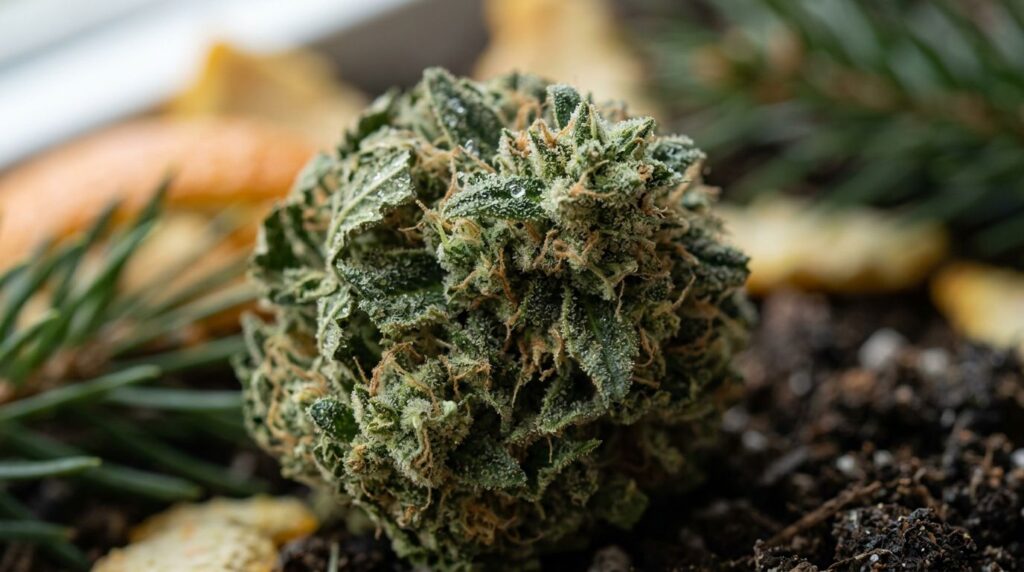
You notice aroma before almost anything else. Open a jar of flower, and the first signal is scent, not potency, not packaging, not the product name.
Why does one flower smell like orange peel while another leans toward pine, pepper, or fresh earth? In most cases, the answer starts with cannabis terpenes, the aromatic compounds that give cannabis much of its character. If you want to read products more clearly, it helps to understand how these terpene flavors are constructed.
Key Takeaways
- Aromatic Building Blocks: Terpenes are the natural aromatic compounds concentrated in cannabis trichomes that define a strain’s unique scent profile.
- Complexity Over Simplicity: A plant’s scent is not the result of a single compound, but a complex “chord” of multiple terpenes that can shift based on genetics, growing conditions, and post-harvest handling.
- Factors Beyond Genetics: Even within the same variety, aroma can vary significantly between batches due to environmental factors, harvest timing, and storage conditions that cause terpene degradation.
- Aroma as a Tool, Not a Guarantee: While your nose provides valuable insight into a product’s character, scent does not definitively predict potency, therapeutic effect, or personal experience.
- Building Scent Literacy: Learning to recognize common terpene families—such as limonene (citrus), myrcene (earthy), or caryophyllene (peppery)—allows for more informed comparisons in legal markets where direct inspection may be limited.
Where cannabis aroma begins
Terpenes are natural compounds found across the plant world, acting as the primary building blocks for the scents we recognize in nature. Much like the essential oils found in lavender, pine needles, or citrus peels, cannabis terpenes define the sensory experience of the plant. These compounds are fundamental to the unique profile of every strain, dictating the complex relationship between terpenes and aroma.
In cannabis flower, these compounds are highly concentrated within the trichomes. These tiny, resinous glands serve as the primary factory for both cannabinoids and the volatile compounds that define a plant’s scent. When you handle flower, grind it, or expose it to warmth, those volatile compounds release into the air. This chemical release is why the fragrance of a product often intensifies the moment you open its container. These scents are typically composed of a combination of monoterpenes, which are lighter and more volatile, and sesquiterpenes, which are heavier and more stable.
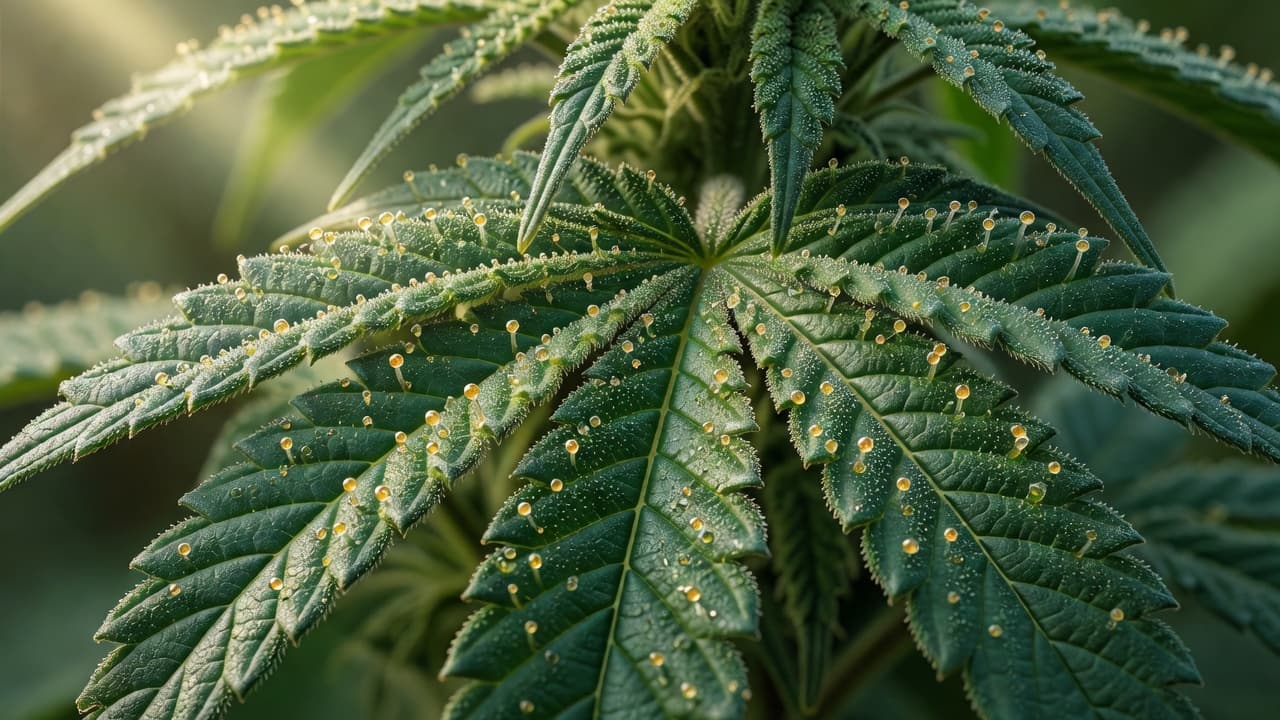
A single compound rarely tells the full story. Most flower contains a mix, and your nose interprets the combined terpenes aroma as a singular, cohesive profile. One product may lean citrus-forward, while another folds those same citrus notes into pine, herbs, or spice. In other words, the scent profile works more like a musical chord than a single, isolated note.
That also explains why two products can share a common terpene and still smell entirely different. Limonene may provide a bright citrus tone, yet it will not smell the same in every batch. The final impression depends on the concentration, which other terpenes sit beside it, and how well those volatile compounds were preserved after harvest.
Terpenes do most of the talking, but they are not always alone. Other trace compounds can tilt the final smell, especially in sharper fuel-like or skunky profiles. Still, when you compare cannabis aromas side by side, these compounds are usually the clearest starting point for understanding what you are smelling.
If you want a plain-language refresher on the basics, Healthline’s terpene overview gives a useful general summary.
Why two flowers can smell nothing alike
Genetics shape the first layer of aroma. A plant’s inherited traits influence which terpenes it produces and in what range, ultimately defining the foundational terpene profile of a cultivar. That is one reason two flowers can smell far apart even when they come from the same grower.
Yet genetics are not the whole story. Growing conditions matter because plants respond to their environment. Light, temperature, soil or nutrient inputs, and overall plant stress can all influence how these compounds develop. The result is a profile that can shift from batch to batch, even within the same named variety.
Harvest timing matters too. If flower is cut too early or too late, the aromatic balance can change. Drying and curing then shape what survives to the shelf. A careful cure can preserve layered scent, while a rushed process may flatten the terpenes or leave the product smelling grassy.
Storage has a direct effect as well. Terpenes evaporate and degrade over time, especially when flower sits in heat, light, or excess air. Fortunately, sticky plant resins help protect these delicate compounds from rapid degradation. Because of that, a well-grown batch can still lose a good part of its aromatic sharpness before you ever open it if it is not stored properly.
This is one reason aroma can vary across legal products with similar names. The label may stay the same, but the scent can shift with the harvest, cure, and storage conditions. If you are comparing options, it helps to think in terms of batches, not only branding.
You may also notice that scent intensity and scent quality are not the same. A loud aroma does not always mean a better product, and a softer aroma does not always mean poor quality. Sometimes a profile is naturally subtle. Other times, weak aroma points to age or poor storage. Your nose can pick up clues, but it needs context.
Common terpene profiles you can learn to spot
You don’t need a trained sensory panel to notice patterns. Once you learn a few common terpene families, product descriptions start to make more sense, and your own scent memory gets sharper. Beyond just the fragrance, many people seek specific cannabis terpenes because they believe these compounds offer therapeutic benefits, ranging from anti-inflammatory support to mood enhancement.
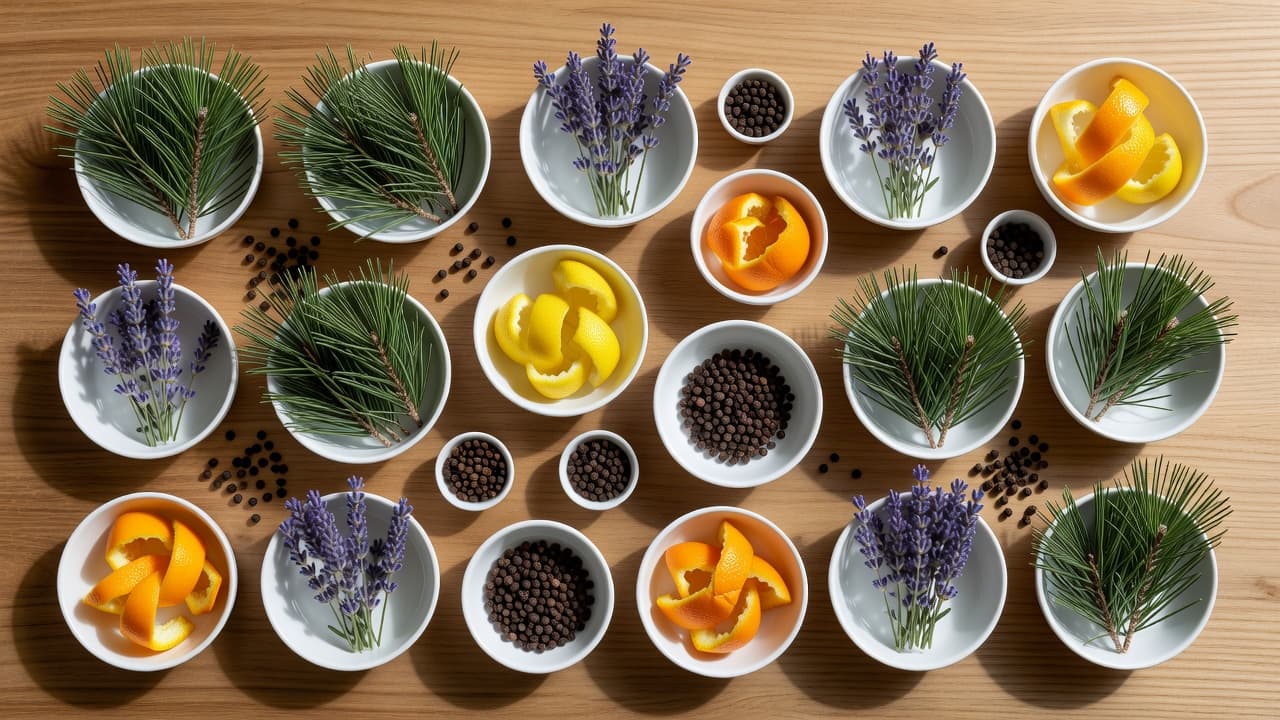
This quick table gives you a practical frame of reference for the aromatic compounds found in your favorite flowers:
| Terpene | Common aroma notes | Familiar plant source |
|---|---|---|
| Myrcene | Earthy, musky, herbal, sometimes ripe fruit | Hops, thyme, mango |
| Limonene | Citrus peel, lemon zest, bright sweetness | Lemon, orange, grapefruit |
| Pinene | Pine, resin, rosemary, fresh woods | Pine needles, basil |
| Linalool | Floral, lavender, soft spice | Lavender, coriander |
| Caryophyllene | Black pepper, warm spice, dry wood | Peppercorn, clove |
| Humulene | Woody, earthy, hoppy, slightly bitter | Hops, sage |
The main takeaway is simple: you smell the blend, not the chart. Myrcene is often the most abundant terpene in modern flower, known for its earthy presence, while limonene is frequently associated with an uplifted mood and citrus notes. Pinene provides a sharp, pine-like clarity, whereas linalool brings a floral, calming influence to the profile. If you notice a spicy kick, you are likely detecting caryophyllene, and the woody, subtle bitterness of humulene often rounds out the complexity of the scent.
That is why repeated exposure helps. When you notice the scent of orange zest (limonene), crushed basil (pinene), lavender (linalool), or cracked pepper (caryophyllene) in everyday life, you build a stronger reference library for cannabis too. You will find that myrcene creates the backbone of many herbal profiles, while the unique structure of humulene adds depth to gassy or earthy varieties. Over time, menu terms like gassy, dessert, or forest feel less vague because you can connect them to these actual aroma families.
If you want a broader scent glossary, CannaCon’s terpene chart can help when a menu lists a name you do not recognize.
Aroma can help you describe a product, but it can’t confirm potency or predict your personal response.
That point matters because scent language often gets stretched. Some names sound dramatic, while the underlying profile is more ordinary. When you focus on aroma notes instead of hype, you make cleaner comparisons.
What aroma can and can’t tell you in NYC’s legal market
Aroma is one of the most useful product cues you have, but it has limits. It can help you identify a profile you tend to prefer, such as citrus-forward, floral, earthy, or peppery. However, it does not tell you everything about a product.
It does not prove strength, nor does it guarantee how you will experience that product. A scent can hint at the entourage effect, where cannabinoids and terpenes work together to create synergistic effects that go far beyond a simple focus on high THC content. Because your unique tolerance and the specific terpene profile play a major role in the outcome, scent is just one piece of the puzzle. This same logic applies when evaluating the profile of CBD oil or other hemp-derived products, as the interplay of compounds remains central to the experience.
If you are shopping at licensed dispensaries in New York City, you may not always smell flower before purchase. Many products are prepackaged, and packaging rules or store policies can limit direct access. Because of that, specific data on labels, product pages, or menu descriptions can be more useful than flashy naming alone.
You can also watch for a few practical signals. Fresh packaging dates matter. Clear aroma notes matter. Consistent customer feedback matters when multiple reviewers describe the same scent profile across a batch or product line. Those patterns often tell you more than a broad category label.
In legal cannabis retail, names can be colorful, but names are not a scientific sorting system. Two products with similar names may smell quite different, and two products with different names may share a close aromatic profile. When you focus on terpenes and aroma, you get a steadier way to compare flower across brands.
For adults 21 and older browsing NYC’s legal market, that matters because your choices are broader than they were a few years ago. The more options you see, the more useful scent literacy becomes. It gives you a concrete language for comparison, even when you cannot inspect the product directly.
Frequently Asked Questions
Why does my cannabis smell different even though it has the same name as a previous purchase?
Aroma is influenced by more than just genetics; it is highly sensitive to environmental factors like light, temperature, and nutrients during growth. Additionally, the drying, curing, and storage processes significantly impact which aromatic compounds remain, meaning different batches of the same strain can exhibit varying scent intensities.
Can I determine the potency of cannabis just by smelling it?
No, aroma cannot confirm the potency or cannabinoid content of a product. While a strong scent often indicates a fresh, well-cured batch, it does not provide a reliable measurement of THC or other cannabinoid levels.
Do terpenes offer therapeutic benefits beyond their scent?
Many people believe that specific terpenes, such as linalool for calming or limonene for mood enhancement, contribute to the plant’s overall effects. These compounds are thought to work synergistically with cannabinoids, a concept often referred to as the entourage effect.
How should I store my cannabis to keep the terpenes intact?
To minimize the degradation of volatile terpenes, store your cannabis in a cool, dark place away from direct sunlight and excessive air exposure. Using high-quality, airtight containers helps preserve the plant’s resins, which act as a natural shield for these delicate aromatic compounds.
Final thoughts
When you open a jar and notice citrus, pine, spice, or earth, you are reading one of the clearest signals a flower can provide. Cannabis terpenes shape that first impression, and they help explain why one product feels familiar while another stands apart.
Your nose will not tell you everything, but it can tell you a lot. If you pay attention to your preferred terpene profile, batch quality, and how specific terpenes show up across various products, you will read legal cannabis menus with more confidence and less guesswork.


