
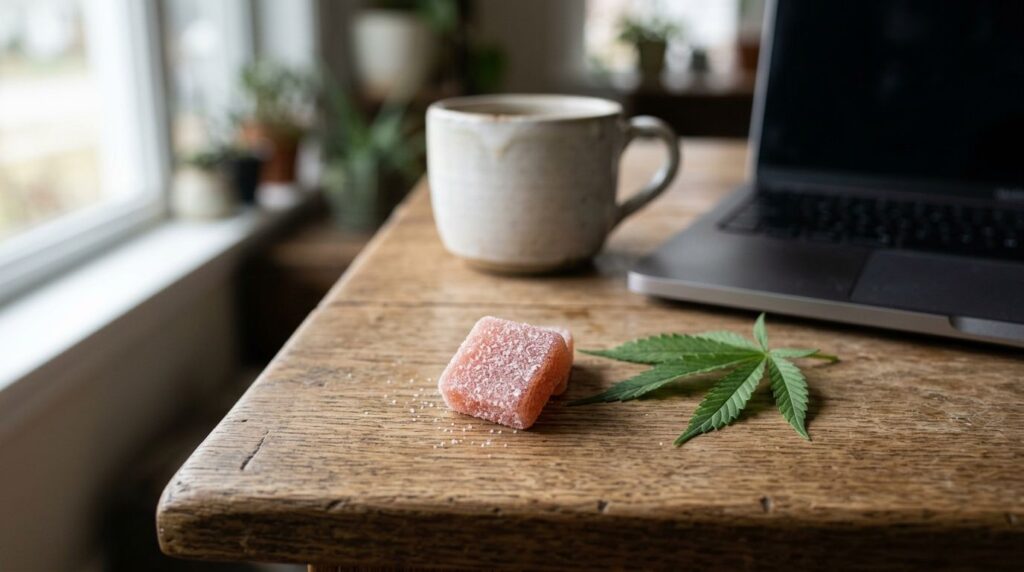
A tiny gummy can feel much bigger than it looks. That is why low-dose edibles deserve more respect than their size suggests. When using cannabis in this controlled manner, the goal is not to reach an overwhelming peak, but rather to enjoy a subtle lift.
If you are curious about how to microdose, your objective is usually not an intense high. You likely want a lighter, more controlled experience that gives you room to stay productive and clearheaded. Many people find that microdosing is a popular way to explore the benefits of various cannabinoids without the intense effects often associated with traditional marijuana consumption. The trick is simple, but it takes patience.
Key Takeaways
- Understand Your Dosage: Microdosing typically involves consuming 1 to 2.5 mg of THC, while a low dose generally ranges from 2.5 to 5 mg.
- Patience is Essential: Due to how the liver processes edibles, it can take 1 to 2 hours or longer to feel the effects, making it critical to wait before considering a second dose.
- Prioritize Clear Labeling: Always check the milligrams per serving rather than the size of the product to ensure you are consuming the intended amount.
- Baseline Your Experience: Start with a low dose in a controlled environment and keep notes on your reaction to determine what works best for your individual tolerance.
What microdosing means with an edible
With cannabis edibles, microdosing usually means taking a very small amount of THC, often about 1 to 2.5 milligrams. A low dose often falls around 2.5 to 5 milligrams. Those numbers sound close, but the experience can feel quite different once your body processes them.
That gap matters because edibles do not work like inhaled cannabis. When you swallow an edible, your liver converts the THC into 11-hydroxy-THC, a metabolite known for producing stronger and longer lasting effects. Because of your unique metabolism, it takes 1 to 2 hours, or longer, before you know how the dose is affecting you. For new consumers, that delay causes more confusion than the dosage in milligrams itself.
This quick chart helps set the range:
| THC per serving | Common description | What you might expect |
|---|---|---|
| 1 to 2.5 mg | Microdose | Very mild effects, or no clear effect for some people |
| 2.5 to 5 mg | Low dose | Noticeable effects, still manageable for many adults |
| 10 mg | Standard single serving in many markets | Often too strong for beginners |
The numbers only tell part of the story. Your response can change based on your tolerance, whether you have eaten, and the specific blend of cannabinoids in the product formula. A 2.5 mg gummy might feel barely there to one person and quite strong to another.
Many adults use small edible doses because they want subtle effects, such as mild relaxation or a slight shift in mood. That is different from trying to feel heavily altered. When you keep that goal in mind, microdosing makes more sense. You are not chasing intensity; you are measuring your response to the THC.
Why many adults prefer low-dose edibles
A smaller dose gives you more control. That matters if you are new to cannabis, returning after a long break, or simply trying to avoid overdoing it.
For many adults in New York City, that lighter approach fits real life better. You may want a calm evening at home focused on body relaxation, rather than an experience that takes over the night. A lower dose can make it easier to notice how THC affects you without crossing into discomfort.
There is also a practical reason. Edibles last longer than many people expect. If you start with a high dose, you are committed for a while. If you start low, you have a better chance of staying within your comfort zone.
Licensed cannabis products also make this approach easier because the package should tell you the THC amount per serving. Many of these products also include CBD, which often provides a balanced, gentle effect. When the label is clear, you can make a measured choice.
Low-dose products do not remove risk, but they do give you a better shot at predictability. That is why microdosing often appeals to adults who value a measured experience over a dramatic one, making low-dose edibles a popular choice.
How to start with a small edible dose
Your first goal is not to find the perfect amount. Your first goal is to create a clear baseline, so you know what a small dose feels like in your body.
If you are new to this, 1 to 2.5 milligrams of THC is a common starting point. Whether you are consuming gummies or chocolates, read the packaging carefully before assuming you can split the piece evenly. Products designed with clearly labeled serving sizes are much easier to manage than those requiring you to estimate by hand.
A small edible can still feel stronger than expected if you take more before the first dose peaks.
To manage your experience successfully, follow the golden rule to start low and go slow:
- Pick a time when you do not need to drive, work, or make important plans.
- Start with a dose of 1 to 2.5 milligrams of THC.
- Wait at least 2 hours to account for the onset time before deciding whether the dose was too light.
- Keep notes so you remember exactly what you took and how long the effects lasted.
That last step helps more than people think. Memory gets fuzzy fast, and saying I think it was half a piece is not a reliable system. A short note on your phone gives you something concrete to reference next time.
Keep the session simple. Skip alcohol, and do not stack your edible with a vape or pre-roll on your first try. If you mix products, you will not be able to identify what caused the effect to rise.
Food also changes the experience. An edible on an empty stomach may feel stronger or hit faster for some people. After a meal, the onset time can feel significantly slower. That does not mean the dose failed. It simply means the digestion process changed the timing.
If you want a second reference point on general timing and dose ranges, this beginner THC dosing guide reflects the same start-low, wait-first approach.
What to read on the label before you eat it
The label is where many dosing mistakes begin. People often glance at the front, see a small package, and assume the whole thing is light. That is not always true.
Look first for the milligram per serving. Then, check the total THC per package. Those are different numbers, and confusing them can turn a microdose into a heavy session.
Say a package has 100 mg total THC and 10 pieces inside. Each piece is 10 mg. That is not a low-dose edible for a beginner, even if the gummy itself looks tiny. On the other hand, a package with 20 pieces at 2.5 mg each gives you a much clearer path to microdosing. Always double-check your serving size to ensure you are consuming exactly what you intend.
In New York City, this is one reason licensed dispensaries matter. Regulated products should provide third-party testing results, which confirm that the cannabinoid content matches what is listed on the package. Buying from a legal dispensary provides access to accurate serving details and basic use warnings, helping you make informed choices without relying on guesswork or word of mouth.
You should also look at the full cannabinoid profile when it is listed. A product with THC only may feel different from one that includes CBD. You might also encounter full spectrum products, which contain a variety of terpenes and minor cannabinoids designed to trigger the entourage effect. While the serving size still matters most, these formulas can shape the overall experience.
Storage deserves more attention too. Edibles can look like regular snacks, especially gummies and chocolates. In a small apartment, keep them sealed and out of reach of children and pets. A neat pantry is not the same thing as secure storage.
A broader cannabis dosing guide makes the same point in plain terms: the number of milligrams you consume matters more than the product’s size or appearance.
Common mistakes that make a low dose feel bigger
The biggest mistake is redosing too soon. You take a gummy, wait 45 minutes, feel nothing, and decide to take more. This leads to accidental overconsumption because both doses arrive at the same time, often causing the psychoactive effects to become more intense than intended.
Another common problem is treating all edibles as equal. A gummy, chocolate, beverage, or baked product can have different onset times and unique formulas. Even at the same THC level, the experience of an indica product might differ from a sativa option, meaning the experience may not feel identical across different types.
Your personal tolerance can also shift over time. If you have not used cannabis in months, an amount that once felt mild may feel much stronger now. That is one reason past experience does not always translate cleanly to the present.
Context matters too. If you are tired, stressed, dehydrated, or mixing cannabis with alcohol, the effects may feel less predictable. Low-dose edibles work best when you keep the rest of the situation steady.
One more mistake is assuming legal means foolproof. Licensed products offer clearer labeling and tested packaging, but they still require careful use. The label gives you important information, but you still have to slow down enough to use it well.
Frequently Asked Questions
Why does it take so long for an edible to start working?
When you eat cannabis, your liver converts THC into a more potent metabolite before it enters your bloodstream. This digestion process takes significant time, which is why you may not feel the effects for up to two hours after consumption.
Can I just cut a high-dose gummy in half to make it a microdose?
While you can physically split a gummy, it is difficult to ensure the cannabinoids are evenly distributed throughout the product. It is always safer and more accurate to purchase products that are pre-measured for low-dose consumption.
Does the presence of CBD change the experience of a low-dose edible?
Yes, products containing both CBD and THC often provide a more balanced and gentle effect than those containing THC alone. Many people prefer these blends because the CBD can help temper some of the more intense psychoactive properties of the THC.
What should I do if I think I accidentally took too much?
If you feel overwhelmed, try to remain in a calm, safe environment and focus on relaxing activities like listening to music or resting. Remember that the effects are temporary, and hydration can help you stay comfortable until the sensation fades.
Small doses reward patience
Microdosing with edibles works best when you treat your intake as data rather than a dare. The most valuable lessons often come from starting with less, waiting longer, and paying close attention to how your body responds.
For adults 21+ in NYC, low-dose edibles make the most sense when the product is clearly labeled and the setting is calm. Whether you are using a tiny gummy for daytime focus or a formula containing CBN for nighttime relaxation, even a small amount can have a significant effect. If you respect the timing and the milligram count, you are far more likely to achieve the controlled experience you intended. By practicing patience, you can successfully microdose to find the balance that works best for your lifestyle.


