
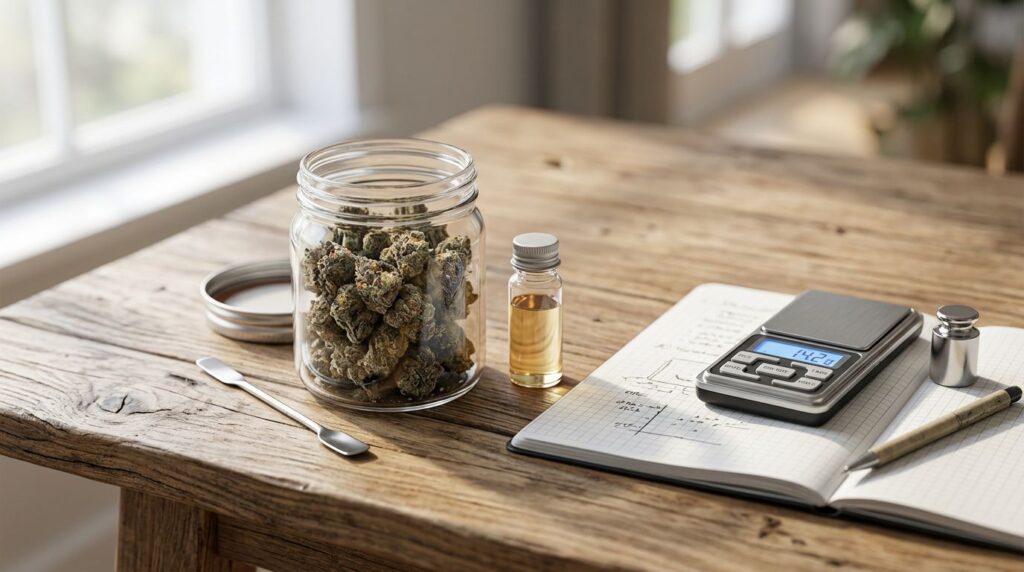
Two products can post similar tetrahydrocannabinol (THC) numbers and still feel different. That gap is where the entourage effect enters the cannabis conversation. This phenomenon suggests that various compounds, including cannabidiol (CBD), work together synergistically to influence your overall experience.
If you browse legal cannabis sativa products in New York City, you see strain names, terpene notes, and lab results. It is easy to assume that THC explains the whole experience, but it does not. Understanding these hidden dynamics is essential when you want to read product information with more confidence.
Key Takeaways
- The entourage effect refers to the synergistic interaction between cannabinoids, terpenes, and other plant compounds that collectively shape the user experience.
- Potency percentages like THC do not tell the full story, as minor cannabinoids and aromatic terpenes significantly influence how a product feels.
- Products labeled as full-spectrum retain a diverse range of plant compounds, offering a more holistic profile compared to isolated chemicals.
- Individual biological responses vary, meaning the entourage effect is a framework for understanding chemistry rather than a guarantee of specific results.
- When shopping, looking at the entire chemical profile—including terpene notes and cannabinoid ratios—is more informative than prioritizing the highest THC number.
Why equal THC doesn’t mean equal experience
When people talk about the entourage effect, they refer to the synergistic effect of cannabis compounds working together to shape your overall experience. While tetrahydrocannabinol is a key player, it is not the only factor at work. Cannabidiol, minor cannabinoids, and aromatic terpenes all influence how a specific product feels.
This explains a common confusion found on legal menus. Two flower options may both test at 22 percent potency, yet they often feel entirely different. One might feel sedative or sharp, while another feels mild, even with a similar headline number. While chemistry plays a role, individual factors like dose, timing, and personal tolerance are equally significant.
A high THC number tells only part of the story.
This is why consumers are increasingly interested in a full-spectrum extract. This product type retains a diverse range of plant compounds, offering a way to experience the plant as a holistic unit rather than an isolated chemical. Still, you should treat these concepts as working theories rather than promises printed on a label. Cannabis is not a single-compound product, and your experience is not determined by one number alone.
That distinction matters in a licensed market. Product pages often highlight potency because it is easy to compare. However, potency is only one layer of the profile. If you focus on tetrahydrocannabinol alone, you may overlook the subtle details that help you find a better match for your personal preferences.
You also need to leave room for natural variation. Even with standardized testing, cannabis is an agricultural product. Batches change, and curing methods alter the final aroma. Small shifts in the concentration of terpenes can change the scent profile and potentially alter the subjective experience. Ultimately, the entourage effect is best understood as a concept regarding the combined action of plant chemistry, rather than a guaranteed formula for a specific outcome.
The components behind the experience
To make sense of this concept, start with the plant’s diverse groups of phytocannabinoids. These compounds get the most attention because they interact with the body’s endocannabinoid system, a complex cell-signaling network that helps regulate various functions. By binding to the CB1 receptor, primarily located in the central nervous system, and the CB2 receptor, found mostly in the immune system, these substances exert their effects. While THC and CBD are the best known, they are not alone. CBG, CBN, and other minor cannabinoids also appear in tested products, often in smaller amounts.
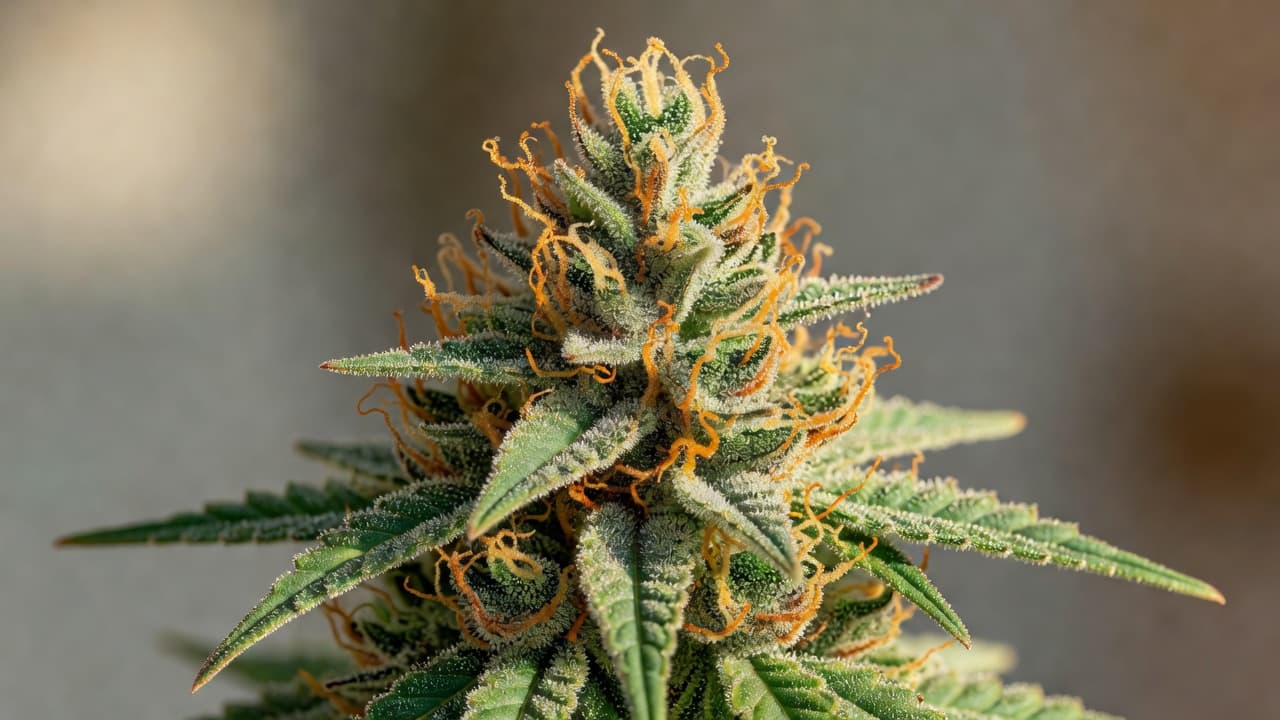
Terpenes are the aromatic compounds responsible for the distinct scents associated with cannabis. Myrcene, limonene, pinene, and caryophyllene appear frequently in product descriptions. They shape the initial smell and flavor, but researchers continue to study how these terpenes may modulate the effects of cannabinoids.
If you want a technical starting point, a review of cannabis synergy research outlines how these diverse chemical compounds may interact to produce varied experiences.
A third group, flavonoids, gets less attention in retail conversations. They contribute to the plant’s broader chemical makeup, although most everyday product pages do not discuss them in detail. For most shoppers, cannabinoids and terpenes remain the most visible pieces of the entourage discussion.
This quick table puts the main groups in context:
| Compound group | Common examples | Why it matters in the discussion |
|---|---|---|
| Cannabinoids | THC, CBD, CBG, CBN | They shape potency and the core profile on a label |
| Terpenes | Myrcene, limonene, pinene, caryophyllene | They shape aroma and may influence the overall feel |
| Flavonoids | Cannflavins and plant pigments | They add to the plant’s full chemical picture |
The takeaway is simple. Cannabis works as a collection of compounds rather than as a lone ingredient. That is the foundation of the entourage effect. It is also why broad claims based on THC alone often miss the mark.
What research says, and what it doesn’t
The scientific investigation into the entourage effect is active, yet it remains far from settled. At its core, this concept explores the idea of polypharmacy, where the complex mixture of cannabinoids and terpenes creates a profile that differs from any isolated compound. Researchers are currently looking at pharmacodynamic interactions, which examine how these compounds influence the body simultaneously, and pharmacokinetic interactions, which focus on how they affect the absorption and metabolism of one another.
When researchers study whether these combinations offer enhanced therapeutic benefits, they often look at specific targets like mood disorders, anxiety, pain relief, and inflammation. Preclinical and lab-based studies have shown that the synergy between tetrahydrocannabinol and cannabidiol, for example, can produce different biological responses than either compound alone. While this makes the entourage effect a plausible concept, scientific plausibility is not the same as a guaranteed real-world outcome for every consumer.
Human clinical research remains challenging. Cannabis contains dozens of compounds, and legal products vary significantly across batches and delivery formats. Furthermore, human experience is inherently subjective; what feels calming or energizing to one person may have the opposite effect on another. This variability makes it difficult for researchers to isolate specific cause and effect relationships in a controlled environment.
This is where marketing often confuses the issue. A familiar strain name may promise a specific experience, but these names are not based on standardized science. In licensed markets, lab data provides a more accurate snapshot of a product than brand storytelling, yet even a comprehensive test result cannot predict exactly how that product will interact with your unique body chemistry.
It is important to distinguish between two distinct claims. The first is that cannabis compounds interact in meaningful, measurable ways. The second is that these interactions are predictable enough to promise a specific outcome every time. The first claim has significantly more scientific support than the second, and that distinction matters.
Ultimately, the current evidence points to a reasonable middle ground. The entourage effect serves as a useful framework for understanding cannabis, but it is not a shortcut that replaces careful reading of labels, moderate expectations, or personal experience. If a product label suggests total certainty regarding your results, it is likely overselling what the clinical data can currently support.
How to use this idea when reading legal cannabis menus
If you are 21+ and comparing legal products in NYC, the entourage effect can help you ask better questions. Use it as a lens, not a rule. Your goal is to look at the full profile instead of chasing the biggest potency number on the page.
Start by looking for these specific details in licensed listings:
- The ratio of cannabinoids like tetrahydrocannabinol and cannabidiol
- Aroma and flavor profiles derived from terpenes
- Whether the item is a full-spectrum extract or a processed CBD isolate
- Product type, such as flower, vape, or edible
- Batch date and laboratory testing details
- Your own history and response to similar profiles
That last point matters more than many people admit. Personal pattern tracking is often more useful than marketing language. If you notice that products with lower levels of delta-9 THC combined with other compounds suit you better, that is valuable information. If terpene-rich flower tends to stand out for you, note that too. Over time, you build a more practical reference than a strain name alone can give you.
Product format also changes the equation. Flower, vapes, and edibles do not behave the same way, even when their analytical numbers look close. Onset time, duration, and dose control all affect your experience. Because of that, the entourage effect should never be treated as the only explanation for how a product will feel.
In the New York City licensed market, this idea is most useful when it slows you down. Instead of sorting only by potency, you look for context. You compare the whole label. You recognize that aromatic notes and minor compounds may matter, while also accepting that no menu can predict your response with absolute precision.
That is a more informed way to read cannabis information. It is also a more realistic one.
Frequently Asked Questions
Why does a product with lower THC sometimes feel more potent?
This often occurs due to the entourage effect, where terpenes and minor cannabinoids work in tandem with THC to modulate the overall experience. A product with a diverse chemical profile can feel more impactful or targeted than a high-THC product that lacks complementary compounds.
Are strain names a reliable indicator of the entourage effect?
Strain names are not standardized and often rely on marketing rather than consistent scientific profiles. While they provide a starting point, it is more accurate to look at laboratory test results and the specific terpene and cannabinoid percentages listed on the product label.
Does the entourage effect guarantee specific health outcomes?
No, the entourage effect is a scientific framework describing how compounds interact, but it is not a medical guarantee. Clinical research is ongoing, and because individual body chemistry is highly subjective, the same product can affect two people in completely different ways.
Should I prioritize terpene profiles when choosing cannabis?
Terpenes contribute significantly to the aroma and flavor of a product and are believed to modulate the effects of cannabinoids. Many consumers find that paying attention to dominant terpenes, such as myrcene or limonene, helps them identify which products better align with their personal preferences over time.
Conclusion
The entourage effect matters because it shifts your attention away from a single number. When two products share similar THC levels, the unique interaction between the rest of the chemical profile helps explain why they provide such different experiences.
If you treat cannabis as a full profile rather than a potency contest, you can read legal product information more clearly. By looking beyond the percentage of tetrahydrocannabinol, you can start to notice how the specific balance of other cannabinoids, like cannabidiol, and the aromatic presence of terpenes work together. While these details do not turn labels into guarantees, they give you a better way to compare the products in front of you and find what works best for your needs.


