
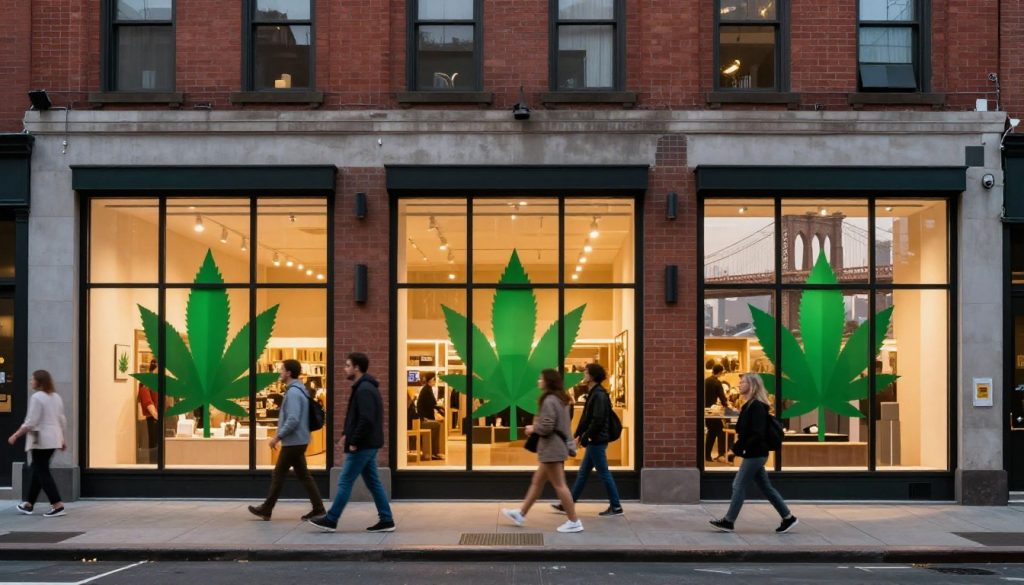
If you’re of legal age 21 and shopping for adult-use cannabis at a licensed dispensary NYC, the biggest differences often aren’t about legality or basic process. Those stay fairly steady. What shifts is the feel of the visit.
This comparison isn’t a ranking. It’s a practical look at what you may notice in Williamsburg, Astoria, and Downtown Brooklyn. In all three areas, licensed dispensaries follow the same New York State rules under the Marijuana Regulation and Taxation Act, just like other New York dispensaries. Still, neighborhood pace, store layout, foot traffic, and customer mix can change how the visit feels from the sidewalk to the checkout counter.
How each neighborhood shapes the dispensary experience
Williamsburg often feels style-forward and high-traffic
In Williamsburg, you may notice the street energy before you notice the store. Sidewalks can feel busy, especially at night and on weekends. That matters because your first impression often starts with the block itself, not the menu.
Many shoppers describe Williamsburg retail as design-aware among New York dispensaries. So, inside or outside a store with a retail dispensary license, you may see polished window displays, cleaner lines, and a more curated look. That doesn’t mean every store feels the same. It means the area often supports a presentation-first retail style.
You may also notice a wider mix of people passing through. Locals, day-trippers, and nightlife traffic can all shape the mood. As a result, the shopping experience can feel more public and more watched, almost like stepping into a trendy weed store on a busy corridor rather than a quiet neighborhood stop.
 ### Astoria often feels more neighborhood-based and steady
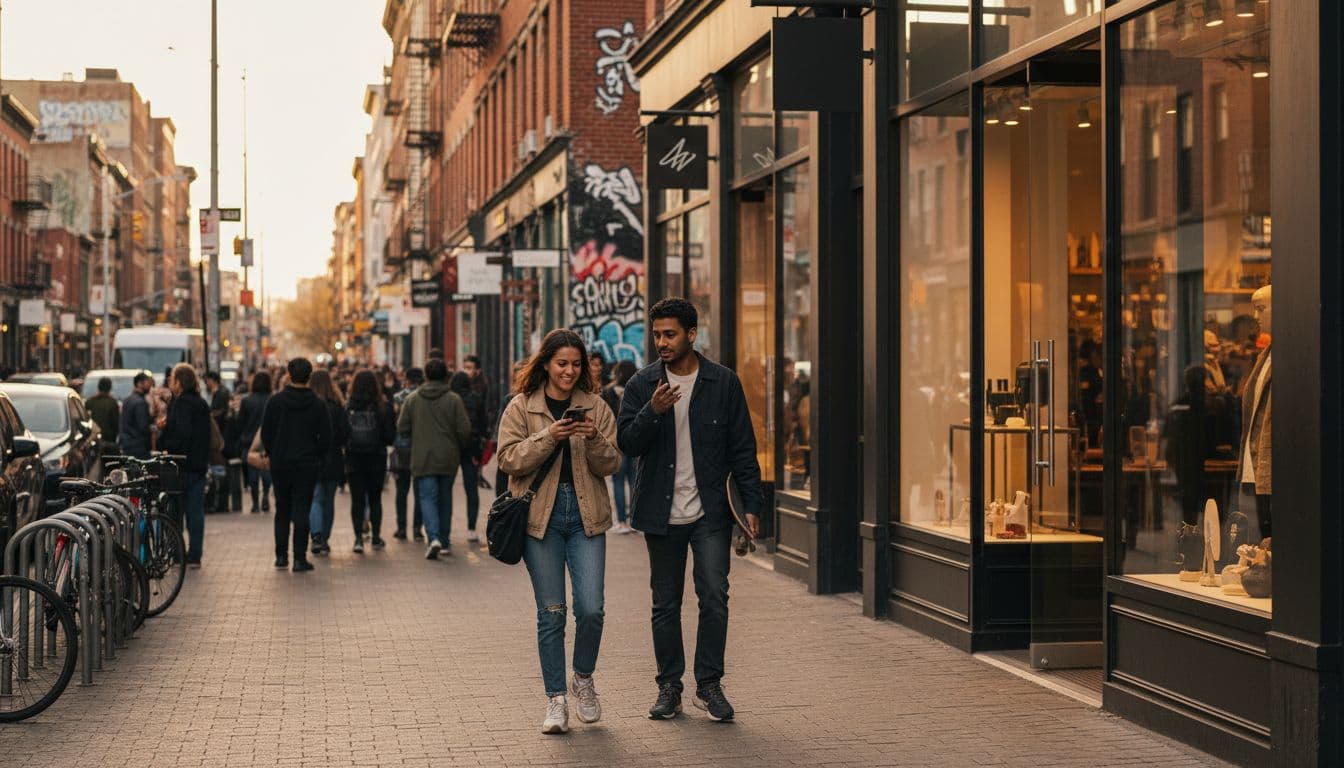
Astoria often gives you a different first impression, thanks to New York State regulations and local zoning. The pace may feel more regular, more tied to daily routines, and less shaped by waves of nightlife or heavy visitor traffic. If you like a visit that feels grounded when you purchase recreational cannabis, you’ll probably notice that right away.
That doesn’t mean Astoria dispensaries are smaller, plainer, or less polished. It simply means the rhythm can feel more local. You may see people who seem familiar with the area, and that can change the tone of the store without changing the standards.
In practice, Astoria may feel like the kind of place where a retail visit blends into the rest of your errands. The mood can be calmer, and the foot traffic may feel more even across the day. For some shoppers, that makes the experience feel less rushed.
Downtown Brooklyn can feel busy, central, and convenience-driven
Downtown Brooklyn often feels shaped by movement. Transit, offices, shopping corridors, and dense foot traffic with bustle rivaling Manhattan’s Times Square all push the area toward speed. So when you walk into a dispensary there for recreational cannabis, the visit may feel a bit more like part of a larger city routine.
You may see a broader mix of commuters, residents, students, and people running errands. Because of that, some stores can feel more in-and-out, especially during peak hours. The area itself sets that tone as much as the store does.
Still, it’s smart not to flatten Downtown Brooklyn into one type of retail experience. Licensed dispensaries there still vary in size, layout, and personality. The common thread is the neighborhood’s central, busy feel, not a single store model.
Whether you’re exploring Williamsburg’s vibe, Astoria’s steady pace, or Downtown Brooklyn’s rush, each NYC dispensary reflects its unique neighborhood surroundings.
What feels different once you walk inside
Staff tone, browsing pace, and how much guidance you get
Once you’re through the door, the differences become more subtle. In one neighborhood, budtenders may have more time for back-and-forth conversation. In another, the tone may feel shorter and more direct because more people are moving through the space.
Williamsburg shops may lean a little more conversational or presentation-focused, especially when the store design invites browsing and contrasts with the clinical atmosphere of a medical cannabis dispensary. Astoria may feel steadier and less hurried, which can make the interaction feel more casual. Downtown Brooklyn can feel brisker at certain hours, simply because customer flow asks for efficiency.
That said, you shouldn’t confuse tone with quality. A short interaction doesn’t mean weaker service. A longer one doesn’t always mean better service. In any licensed dispensary, you should still expect government-issued ID checks, a regulated retail setting, and a standard process that follows the same state framework.
Store layout, lines, and how menus are presented
Store layout changes your experience more than people expect. A wide, open floor can make a dispensary feel relaxed, even when it’s busy. A narrower setup can feel packed faster, even with the same number of shoppers.
Menu presentation matters too. Some stores rely on screens. Others use counter displays or printed materials featuring cannabis flower, THC vapes, cannabis edibles, pre-rolls, and cannabis concentrates. If you’re trying to compare marijuana strains quickly, the format can shape how easy that feels. A clean menu board helps. So does a layout that lets you pause without blocking the next person. Transactions at the counter typically require cash or debit card.
Lines tend to follow neighborhood patterns. In Williamsburg, peak periods may cluster around evenings and weekends. In Astoria, the flow may feel more even. In Downtown Brooklyn, commuter-heavy windows can create bursts of traffic.
The biggest in-store difference is often pace, not policy.
If you’re picturing your visit ahead of time, think less about borough identity and more about how the store handles movement. That usually tells you more than the zip code alone in New York dispensaries offering recreational cannabis.
What stays mostly the same across all three areas
Licensed rules, age checks, and core shopping steps stay consistent
This is the part that doesn’t change much. In Williamsburg, Astoria, and Downtown Brooklyn, licensed retailers operate within the same New York State rules overseen by the Office of Cannabis Management. So, while the vibe may shift, the core structure should feel familiar.
You can expect age verification with government-issued ID, posted store information, and a regulated point-of-sale setting. The shopping flow may vary in speed or layout, but the basics stay recognizable thanks to a standardized inventory management system. That shared framework of state regulations matters because it gives you a stable baseline across neighborhoods. These spots focus on adult-use cannabis and recreational cannabis, so no medical marijuana card is needed, unlike at a medical cannabis dispensary.
Your best experience usually depends on timing and personal fit
In the end, the best fit often comes down to what kind of visit you want that day. If you prefer a design-conscious retail setting and don’t mind more street activity, Williamsburg may feel comfortable. If you want a calmer, more routine errand-style stop, Astoria may suit you better. If convenience and central access matter most, Downtown Brooklyn may feel easier, or you could explore cannabis delivery services as an alternative.
Timing can matter as much as location. A weekday afternoon can feel very different from a Friday night. So when you compare dispensary shopping styles in these areas, think of them like three versions of the same song. The melody stays the same, but the tempo changes.
Williamsburg may feel more style-led, Astoria more neighborhood-rooted, and Downtown Brooklyn more central and busy. Yet the licensed basics stay close across all three New York dispensaries. If you set your expectations around pace, layout, and timing, you’ll have a clearer sense of what kind of visit fits you best. In short, shopping style changes by neighborhood in New York dispensaries, but the legal retail foundation stays much the same.


