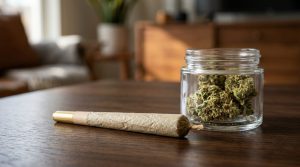
Why does one best dispensary in NYC feel like a quick subway stop, while another feels like a neighborhood errand? In the New York City cannabis scene, with nyc dispensaries, the answer often comes down to borough context.
If you browse licensed listings for legal marijuana NYC across Manhattan, Brooklyn, Queens, the Bronx, and Staten Island, you start to see the pattern. The rules stay largely the same, but the pace, layout, traffic, and access points change from place to place. That borough lens helps you compare stores more clearly.
Key Takeaways
- All licensed NYC dispensaries follow the same New York State rules for age verification, tested products, and oversight, but borough context—like pace, access, and neighborhood rhythm—makes each feel distinct.
- Manhattan delivers dense, fast-paced storefronts with heavy foot traffic; Brooklyn offers varied neighborhood vibes that shift block by block; Queens hinges on transit and spread; the Bronx requires wider searches due to sparser options; Staten Island provides suburban ease with easier parking.
- Treat the five boroughs as different retail environments: filter by license first, borough second, and neighborhood third to match your routine, whether walking, driving, or using delivery.
What stays the same at licensed NYC dispensaries
As of early April 2026, New York State has about 630 licensed adult-use cannabis dispensaries, with roughly 301 in New York City. That means you have more legal options than before, but every licensed dispensary New York still works inside the same state framework.
You can expect age verification for customers age 21 and over with a government-issued ID, regulated packaging, tested products, and state oversight in every borough. In other words, Manhattan and Staten Island may feel different on the ground, but they don’t operate under separate rulebooks. If timing matters to you, seasonal patterns can also shape traffic and availability, which is why borough context works best when paired with a sense of timing, too, as seen in this look at seasonal cannabis shopping in NYC.
The biggest difference between boroughs usually isn’t legality. It’s how access, space, and neighborhood rhythm shape your visit.
This quick snapshot makes the contrast easier to see:
| Borough | What you often notice first | Common tradeoff |
|---|---|---|
| Manhattan | Dense storefront access, heavy foot traffic | Less room, faster pace |
| Brooklyn | Neighborhood feel, varied street presence | Experience changes block by block |
| Queens | Wide geographic spread, mixed transit patterns | Convenience depends more on where you are |
| Bronx | Fewer nearby options in some areas | You may need a wider search radius |
| Staten Island | More suburban access, easier parking | Fewer total choices than core boroughs |
So, while all recreational cannabis dispensaries and licensed recreational shops share the same legal base, they don’t feel interchangeable. The city is one market on paper, but five different retail environments in practice.
Manhattan and Brooklyn set very different tempos
In Manhattan, you often trade breathing room for speed. The borough has the highest concentration of Manhattan dispensaries in the city, so walk-in access can be easier, especially near major retail corridors and transit-heavy areas like Midtown Manhattan, Union Square, and the Flatiron District.
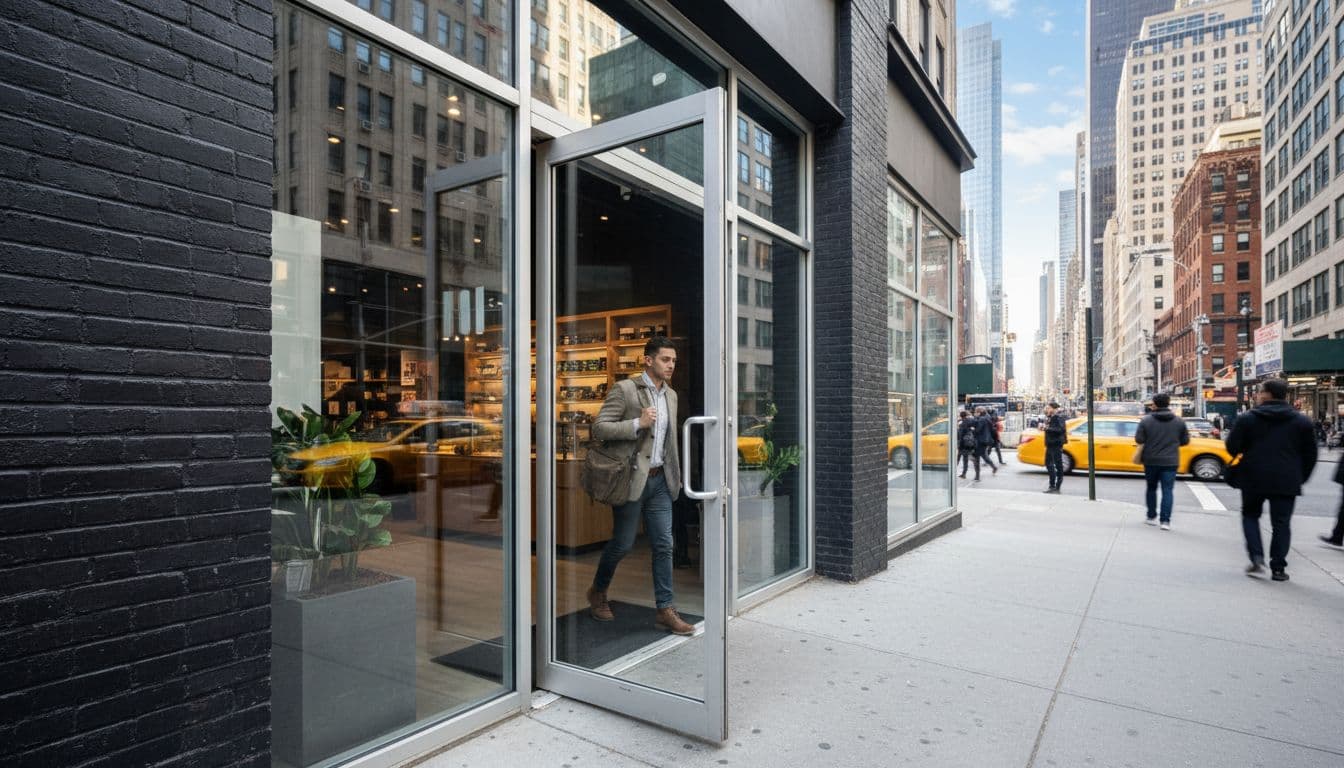
That convenience comes with a distinct feel. Sidewalk traffic is heavier, store footprints can be tighter, and the visit may move faster. If you work nearby or pass through often, that can feel efficient. If you prefer a slower pace, it can feel like shopping inside a moving current.
Brooklyn usually lands differently. Many licensed shops sit inside residential or mixed-use neighborhoods, so the visit can feel more rooted to the block around it. Brownstones, local foot traffic, and neighborhood shopping habits shape the mood. One Brooklyn store may feel polished and high-volume, while another feels more conversational and community-based, with budtenders helping customers select premium cannabis products from top cannabis brands.
Even inside Brooklyn, the gap can be wide. Williamsburg doesn’t feel like Bed-Stuy, and Downtown Brooklyn doesn’t move like a quieter avenue deeper into the borough. A neighborhood-level comparison of Williamsburg, Astoria, and Downtown Brooklyn shows how much the local setting can change the experience before you even step inside.
Store design also plays a role. In high-density areas like the Flatiron District, layout choices often aim to manage flow, visibility, and comfort in compact spaces. You can see that shift in broader discussions of how dispensary design has changed in New York. In short, Manhattan often feels built for movement, while Brooklyn more often feels built around the neighborhood.
Queens, the Bronx, and Staten Island change the math of convenience
Queens is less about one dominant retail style and more about range. The borough is large, varied, and shaped by different transit patterns, so your experience can swing sharply from one area to another. A store in Long Island City serves a different flow than one in eastern Queens. Because of that spread, convenience in Queens isn’t only about distance. It’s also about trains, buses, driving, and how far a store sits from your routine. Before traveling across the borough, check the online menu to shop by strain and narrow your options.
The Bronx presents a different issue: density. Licensed options are still thinner in many parts of the borough than in Manhattan or Brooklyn. So, if you’re comparing listings there, proximity matters more, or consider cannabis delivery NYC as a solution for areas with lower density. A shorter list doesn’t mean lower quality. It simply means your search may start with coverage and access before it moves to details like layout or neighborhood feel.
Staten Island stands apart the most. As of April 2026, it has 13 licensed dispensaries in total, with 12 open across seven neighborhoods. That makes it smaller in count, but also easier to read as a local network offering a variety of THC products like cannabis flower, marijuana edibles, THC vaporizers, cannabis concentrates, and CBD oils. These spots often carry fresh cannabis flower options tailored to local tastes. The pace often feels less compressed, and parking can matter far more than subway adjacency.
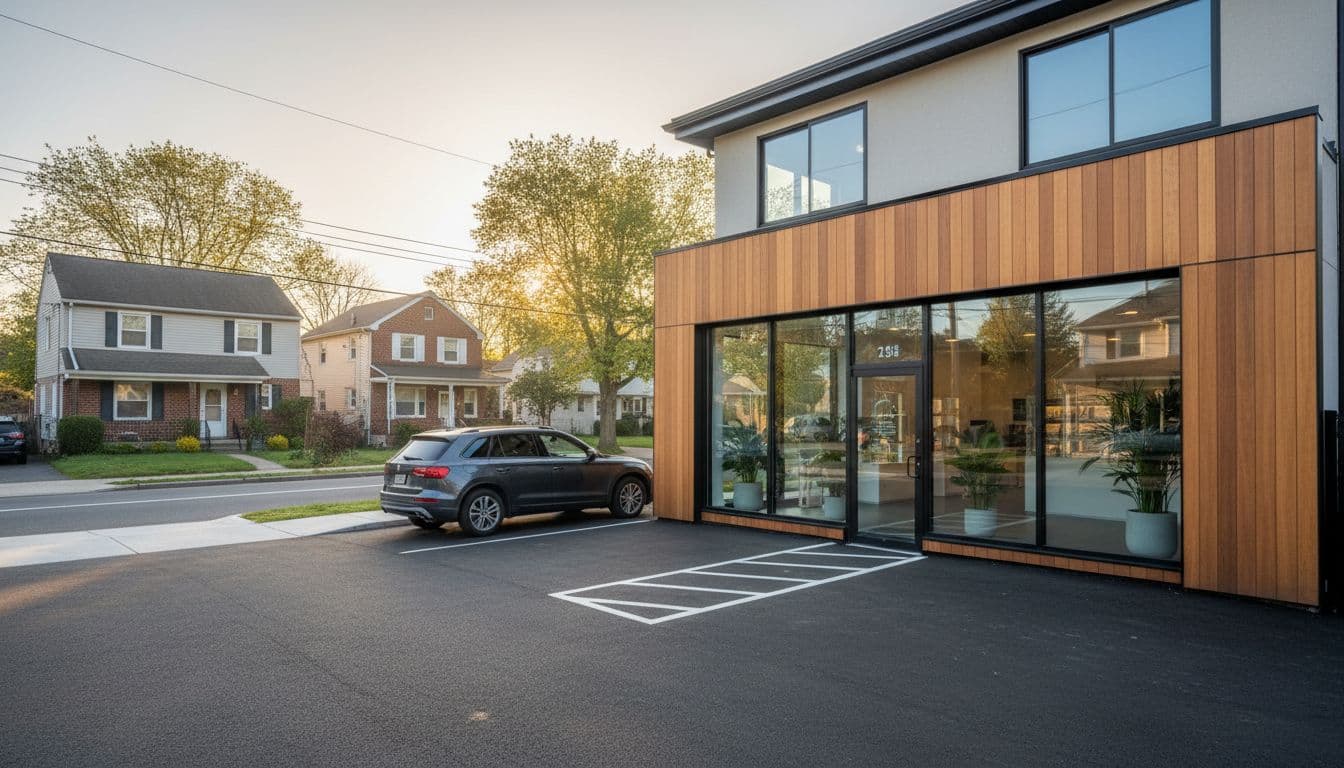
That suburban texture changes expectations. In Manhattan, you may judge a store by how easily you can reach it on foot. In Staten Island, you may care more about roadway access, storefront visibility, and whether the stop fits into a larger errand run. Same legal market, different daily logic.
Frequently Asked Questions
What makes NYC dispensaries feel different by borough?
While state regulations remain consistent across Manhattan, Brooklyn, Queens, the Bronx, and Staten Island, differences arise from local access, pace, layout, and transit. Manhattan feels fast and dense, Brooklyn neighborhood-rooted, Queens transit-dependent, the Bronx sparser, and Staten Island more suburban with parking focus. Borough context helps predict the visit before checking menus or listings.
Are the rules the same at every licensed NYC dispensary?
Yes, every licensed adult-use dispensary in New York City operates under the same state framework, including age 21+ verification with government ID, regulated packaging, and tested products. Boroughs don’t have separate rulebooks, so legality and basics stay uniform. Variations come from on-the-ground factors like traffic and space, not policy.
Which borough has the most dispensaries and easiest access?
Manhattan leads with the highest concentration, especially near transit hubs like Midtown and Union Square, making walk-in access straightforward but fast-paced. Brooklyn follows with a neighborhood spread, while Staten Island has just 13 total. For sparsest coverage, look to the Bronx, where delivery can bridge gaps.
How should I compare dispensaries across boroughs?
Start with licensed status, then filter by borough to gauge pace and access, and drill into neighborhood details like transit, parking, and block vibe. Consider your routine—walking suits Manhattan, driving fits Staten Island. Check online menus for strains and pair with seasonal timing for the best fit.
How to compare borough listings without guessing
If you’re trying to make sense of nyc dispensaries, use the borough as your first filter, not your final answer. It tells you how the visit may feel before you compare any one store.
First, think about your routine. Are you walking, driving, riding the train, or considering cannabis delivery? That one detail can make a Manhattan storefront feel perfect or a poor fit. Next, consider pace. Some neighborhoods support quick in-and-out visits, while others invite a slower trip.
Then look beyond the borough label. A licensed store’s block, nearby transit, hours, and storefront setup often matter more than a broad borough stereotype. Queens proves that point better than anywhere else. So does Brooklyn.
New York doesn’t give you one cannabis shopping pattern. It gives you several, layered over each other like different maps of the same city.
The strongest takeaway is simple: license first, borough second, neighborhood third. Once you read listings in that order at a recreational marijuana shop to buy weed NYC, the differences between Manhattan, Brooklyn, Queens, the Bronx, and Staten Island make much more sense.
If you want a better match, stop treating the five boroughs like one retail zone. Among diverse NYC weed shops, the street around the store often tells you as much as the menu inside. Explore our nyc dispensaries listings to find the best dispensary in NYC.