

A product label can look polished and still leave out the details you actually need to know. If you buy legal cannabis in New York, the Certificate of Analysis is where the real information lives.
These cannabis COA reports provide a transparent look at what a lab tested, what they discovered, and whether the specific product meets rigorous state safety standards. Once you understand how to navigate these documents, the technical data stops looking like noise and starts working for you.
Key Takeaways
- Verify the Batch: Always match the batch number on your product packaging with the number listed on the Certificate of Analysis (COA) to ensure the report covers the specific item you are holding.
- Look Beyond Potency: While THC and cannabinoid levels are important, the most critical sections of a COA are the safety panels, which confirm the product is free from pesticides, heavy metals, and harmful microbial contaminants.
- Prioritize Completeness: A legitimate report should include the testing laboratory’s name, the date of analysis, and a clear ‘Pass’ or ‘Fail’ designation; if a document is incomplete or contains suspicious formatting, treat it as a red flag.
- Understand Your Product Type: Different product forms, such as edibles versus flower, require different testing criteria; ensure the COA includes the relevant safety screenings for your specific product category.
Why a Certificate of Analysis matters more than the front label
A Certificate of Analysis is a lab report tied to a specific product batch. In plain terms, it shows what was tested and whether the sample passed the required checks established by New York regulators.
That matters because the information on the front label has clear limits. While a label might show basic details like serving size, it often fails to provide the full picture. A lab report goes much further, revealing the full cannabinoid profile, comprehensive product safety data, and the specific Batch number that connects the test results directly to the product in your hand.
In New York, legal cannabis products sold through licensed dispensaries should include a QR code or link that leads you to the report. If you want the state’s own plain-language breakdown, the New York COA reading guide lays out the main fields you will see.

A good report gives you something marketing claims alone cannot. By utilizing third-party testing, these documents provide a way to verify product quality. If a package claims high potency or premium status, the report should support that claim with batch-specific evidence.
This is also where legal shopping in New York separates itself from the unlicensed market. A compliant product should come with traceable testing data. If that data is missing, incomplete, or does not match the package, you should slow down and take a closer look.
A Certificate of Analysis is not decorative paperwork. It is the record that shows whether a cannabis product was tested and whether that batch passed state rules.
How to find the COA for a legal New York product
The easiest place to start is the package itself. On legal New York products, you will often find a QR code or direct web link that opens the lab results on your phone.
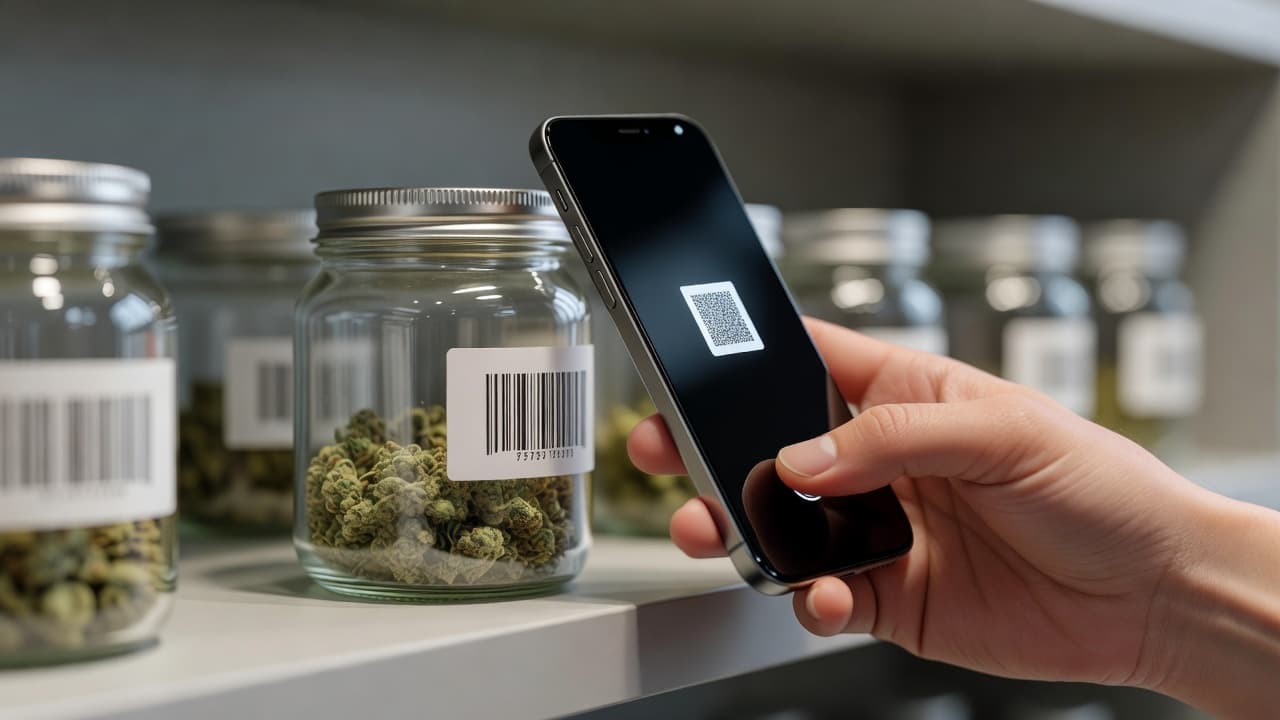
When you scan the QR code, don’t stop at the first page. Open the full document if possible. Some pages show only potency, while later pages include pesticide, heavy metal, microbial, or solvent testing.
Next, compare the report to the package. You want the product name, brand, batch number, and sometimes the package date to line up. If the report belongs to a different batch, it does not confirm the exact item you are holding.
You can do this in under a minute:
- Scan the code or open the link.
- Match the batch number to the package.
- Check the test date and lab name.
- Look for both potency and safety results.
- Confirm the batch passed, not just that it was tested.
If you are at a licensed dispensary and the code does not work, ask staff whether there is another way to access the report. A broken link does not always mean the product failed, but it does mean you do not yet have the proof you need.
You should also watch for reports that look oddly generic. If a PDF has no lab name, no sample ID, no dates, or no approval signature, that is a problem. A proper New York cannabis COA report should identify who tested the sample, when it was tested, which batch it covers, and ideally, whether the facility holds ISO 17025 accreditation to ensure the lab is operating under verified quality standards.
What information appears on a cannabis COA report
Most reports follow a similar structure, even if the layout changes from lab to lab. Once you know the core sections of a Certificate of Analysis, you can skim faster and still catch the important parts.
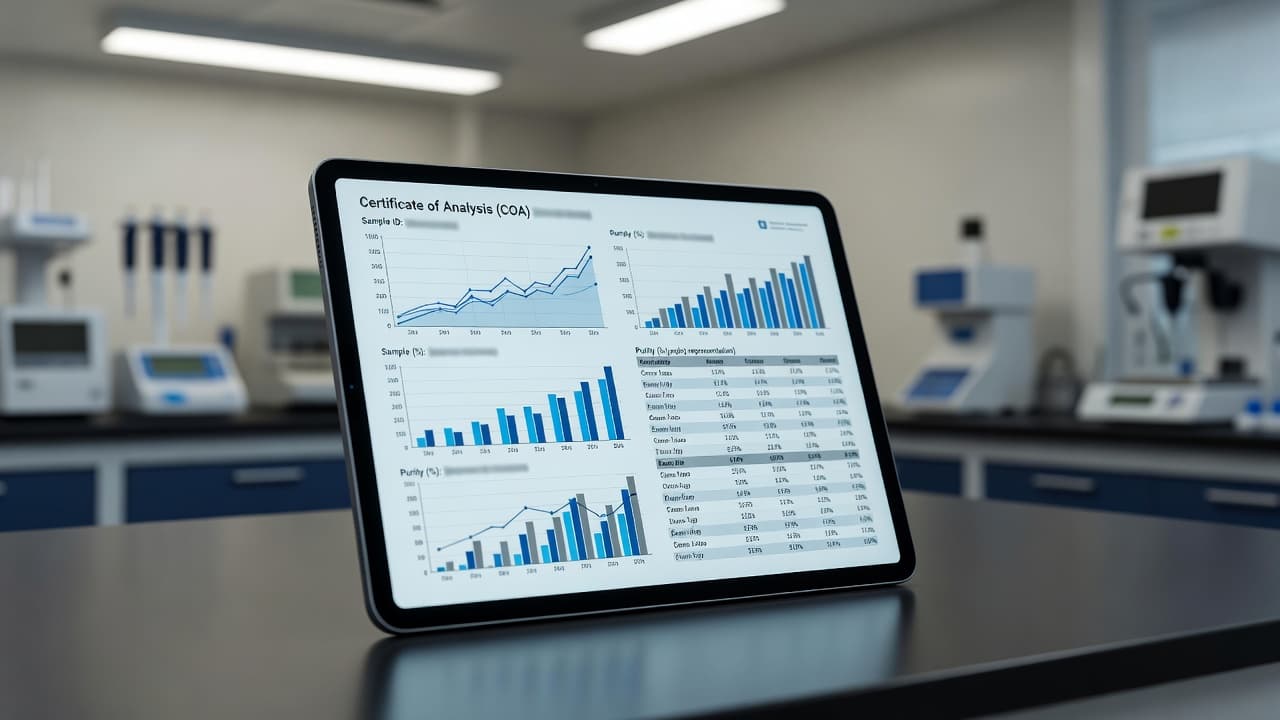
You will usually see the product identity near the top. That can include the product name, category, producer, and form, such as flower, vape, edible, or concentrate. Close by, you should verify the unique batch number and the specific sample ID to ensure the documentation matches your purchase.
The next section often lists the laboratory details. Look for the lab name, report number, methods used, issue date, and the person who reviewed or approved the results. These fields help confirm the report is a real testing document, not a loose summary.
Then come the test results. A detailed cannabinoid profile appears on nearly every report to show potency. Many products also include a terpene profile, although this testing is not always displayed the same way across all brands. Comprehensive full-panel safety testing is crucial, as it covers critical areas including pesticides, heavy metals, microbial impurities, and residual solvents, depending on the product type.
This quick table shows the fields that matter most when you first open a report.
| COA section | What you should check | Why it matters |
|---|---|---|
| Product details | Product name and form | Confirms the report fits the item type |
| Batch or lot | Exact batch match | Ties the report to your package |
| Dates | Sample and report dates | Shows when testing happened |
| Lab information | Lab name and report ID | Helps verify legitimacy |
| Potency | THC, THCA, CBD, total values | Clarifies strength and labeling |
| Safety results | Pass/Fail results and analyte details | Shows whether the batch met limits |
The big takeaway is simple. First confirm identity, then read the cannabinoid data, and then check the safety pages. That order keeps you from getting lost in the technical parts.
If you want a second example of how these sections are arranged, this plain-language COA walkthrough mirrors what you will see on many legal product reports.
Reading potency numbers without getting fooled
THC potency and CBD content are where many readers get tripped up. The issue is not that the numbers are hidden, but that they are easy to misread if you do not understand the underlying data.
For flower, you may see THCa levels, delta-9 THC, and total THC. THCa is the acidic form found in raw plant material, and similarly, you might see CBDa levels for non-psychoactive profiles. After heat, a portion of these acidic compounds converts to their active forms. This is why total THC typically reflects a calculated formula based on HPLC methodology rather than just the raw amount already present.
If you only glance at the delta-9 line, you can underestimate the strength. If you only glance at a large number without checking units, you can overestimate it. Always read the specific labels on each line carefully to understand the Total Active Cannabinoids present in the sample.
Edibles add another layer of complexity. Their potency may appear in milligrams per serving and milligrams per package, rather than a percentage. A gummy pack labeled 100 mg total can still be divided into 10 mg pieces. The COA may show both values, so look for the serving size before judging the strength of the product.
Vapes and concentrates often use percentages that look high at first glance. That is normal for those product types because the material is more refined than raw flower. What matters is how the figure fits the product category and whether the lab report matches the information printed on the packaging.
You should also expect small differences between the label and the lab report. Testing works within allowed ranges, and packaging dates can matter if state rules allow labels to round numbers. A small gap does not always mean the label is wrong. However, a large gap should get your attention.
When you read cannabis COA reports, one habit helps more than anything else. Compare like with like. Percentage should be compared to percentage. Milligrams should be compared to milligrams. Flower should be judged as flower, not by edible standards.
How to read the safety testing section
Product safety pages are less flashy than potency, but they are often more important. They tell you whether the tested batch met limits for substances you do not want in the final product. Contaminant testing is the primary way New York labs ensure that what you are consuming is free from harmful materials.
Start with the overall result. Many reports show simple Pass/Fail results beside each category. That gives you a quick answer, but you should still look below the summary if something seems off.
Standard safety screenings include several key areas. Pesticides are checked for harmful chemical residues. Heavy metals testing looks for toxic elements such as lead, arsenic, cadmium, and mercury. Microbial impurities testing screens for mold, yeast, bacteria, and other biological contaminants, including mycotoxins produced by certain fungi. Finally, residual solvents testing is critical for extracts and concentrates, as it ensures no volatile chemicals from the extraction process remain in the final product.
One term causes a lot of confusion: ND. It usually means not detected, not proven absent in all amounts. Labs test down to defined levels known as the Limit of Quantification. If a substance is below that specific threshold, the result shows as ND.
Not detected does not mean the lab found zero under every condition. It means the analyte was below the test reporting threshold.
That distinction matters, but it should not scare you. For most readers, the practical question is whether the batch passed the state limits. If it passed and the report matches the package, the COA has done its main job.
Still, you should read a bit deeper when you can. Reports may show three related columns: the result, the action limit, and the unit. If the result is below the action limit, the batch passes that analyte. If it exceeds the limit, it fails.
Units can look technical, yet the pattern is simple. You do not need to memorize every unit to read the report well. You mainly need to spot whether the numbers are below the listed limit and whether the lab marks the category as passed.
Some products have longer contaminant sections than others. A flower COA may emphasize microbial impurities, while a vape or concentrate will prioritize solvent screening. That does not mean one report is better than another by length alone; it means the test panel reflects the specific product type.
In practice, you can read the safety section in two passes. First, scan for any fail mark. Then, if everything passes, check whether the report includes the expected categories for that kind of product. That keeps you focused on the right level of detail.
Red flags that deserve a second look
Not every report inspires trust. Some problems are obvious, while others hide in plain sight.
The first red flag is a mismatch. If the Certificate of Analysis shows a different batch number, different product type, or different brand, stop there. A report for another lot does not verify your item.
The second red flag is missing context. A solid report should include the lab name, report date, sample ID, and some sign of review or approval. If those details are absent, you cannot judge the document with much confidence.
Old test dates can also raise questions. Age alone does not prove a product is bad, but you should notice when the testing happened far earlier than packaging. Freshness, storage, and shelf life are separate issues from lab results, so timing still matters.
Watch for reports that show only a marketing friendly slice of data. A one-page snapshot with cannabinoids but no contaminant testing pages is incomplete. Potency without safety data is only part of the story.
Formatting can also tip you off. Blurry PDFs, dead QR codes, cropped screenshots, and reports with missing pages are poor signs. Legal products should give you clear access to the underlying results.
Then there are numbers that do not make sense for the category. If a flower report shows potency that looks extreme, or if the package and report disagree in a major way, it is worth asking questions before you rely on the label.
If you compare products across a licensed dispensary in New York City, these small checks help you stay grounded. Reviews and menus can tell you how a product was received. A report tells you whether the tested batch matches the claims made about it.
What a COA can tell you, and what it can’t
A Certificate of Analysis is a useful tool, but it has inherent limits. It provides specific data regarding the tested sample from a single batch, but it cannot predict exactly how that product will feel for you.
A report does not answer every quality question. While the document might show passing results, it says nothing about whether you will personally enjoy the aroma, texture, flavor, or effect profile. Those are subjective judgments. Furthermore, storage plays a vital role. A product can leave testing in excellent condition and later suffer from heat, light, air exposure, or age. The lab results do not update themselves after the batch is packaged and moved through distribution.
You should think of the report as one strong piece of evidence rather than the entire picture. These cannabis COA reports help you verify identity, THC potency, and product safety compliance. However, they do not replace careful labeling, sensible storage practices, or your own unique product preferences.
That is why reviewing these documents works best as a consistent habit rather than a one-time lesson. The more often you compare the information on the package to the findings in the report, the faster you will spot what belongs there and what does not.
Frequently Asked Questions
What does ‘ND’ mean on a lab report?
‘ND’ stands for ‘not detected.’ This indicates that the laboratory did not find the substance in question above their lowest measurable threshold, which is standard notation for confirming the absence of contaminants like pesticides or heavy metals.
Can I rely solely on the COA to tell if I will enjoy a product?
No, the COA only provides technical data regarding safety, potency, and chemical composition. It cannot predict subjective qualities such as flavor, aroma, or the specific effect a product might have on you.
Why is the total THC percentage different from the delta-9 THC listed?
Total THC is a calculated figure that accounts for both the active delta-9 THC and the potential THC derived from THCa when heated. You should look for the ‘Total’ value rather than just the delta-9 line to get a accurate measure of the product’s overall potency.
What should I do if the QR code on my package doesn’t work?
If the QR code leads to a broken link, ask the dispensary staff for assistance in accessing the digital COA. Reliable retailers should be able to provide you with the correct documentation for any product they sell.
Conclusion
When a cannabis package makes a claim, the document you should reference is the laboratory report. Once you know how to match the batch number, evaluate the THC potency, verify the CBD content, and scan the safety section, these reports become far less intimidating.
The strongest takeaway is simple: trust the verified, complete, batch-specific data rather than the marketing copy. By prioritizing transparency and confirming that the details on the label align with the official Certificate of Analysis, you have a much better basis for judging a legal New York product. When you take the time to review cannabis COA reports, you empower yourself to make informed decisions about the quality and safety of what you consume.


