
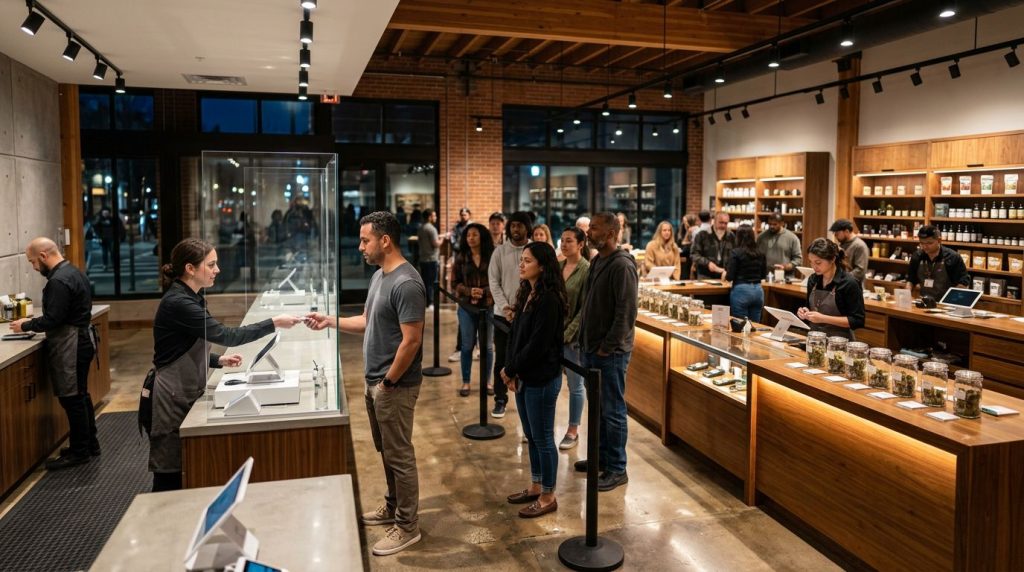
If you walk into a licensed dispensary on a Friday evening in the cannabis industry, the calm can look effortless. It rarely is. Behind that steady line is a plan for ID checks, queue control, inventory, and compliant sales.
In New York City, busy periods can build fast after work, on weekends, and around holidays for legal cannabis sales at a cannabis dispensary. When foot traffic and local traffic rise, a licensed store has to protect both speed and rules at the same time.
That balance starts before anyone reaches the counter. Dispensaries use geofencing and push notifications to alert customers of wait times before they arrive.
Key Takeaways
- Licensed dispensaries control high traffic by pacing entry at the door, with early ID checks and clear communication to keep the sales floor open and compliant.
- Peak-hour staffing relies on role clarity, defined lanes for entry, guidance, sales, and restocking, plus overlap scheduling to handle rushes without chaos.
- Real-time inventory awareness prevents delays, with quick restocks, accurate labeling, and services like delivery to ease floor strain during busy periods.
- Well-managed high traffic feels effortless, blending layout, training, and supervision to balance speed, compliance, and a smooth customer experience.
Customer flow starts at the door
A crowded sales floor usually traces back to a weak front-door process at the storefront. Licensed dispensaries manage high foot traffic by controlling entry, checking age and ID early, and pacing how many people move inside at once.
The first staff member you see often has the most important job. That person sets the tone for the curated in-store experience, answers basic questions, and keeps the line from folding into the retail floor. Because cannabis retail is tightly regulated, a shop can’t treat the entrance like a loose waiting room.
Public reporting on daily customer counts at a Lower East Side dispensary shows how quickly volume adds up, with weekends drawing far more people than weekdays. If a store expects that pattern, it can stagger entry, open more points of service, and keep walkways clear before the rush peaks.
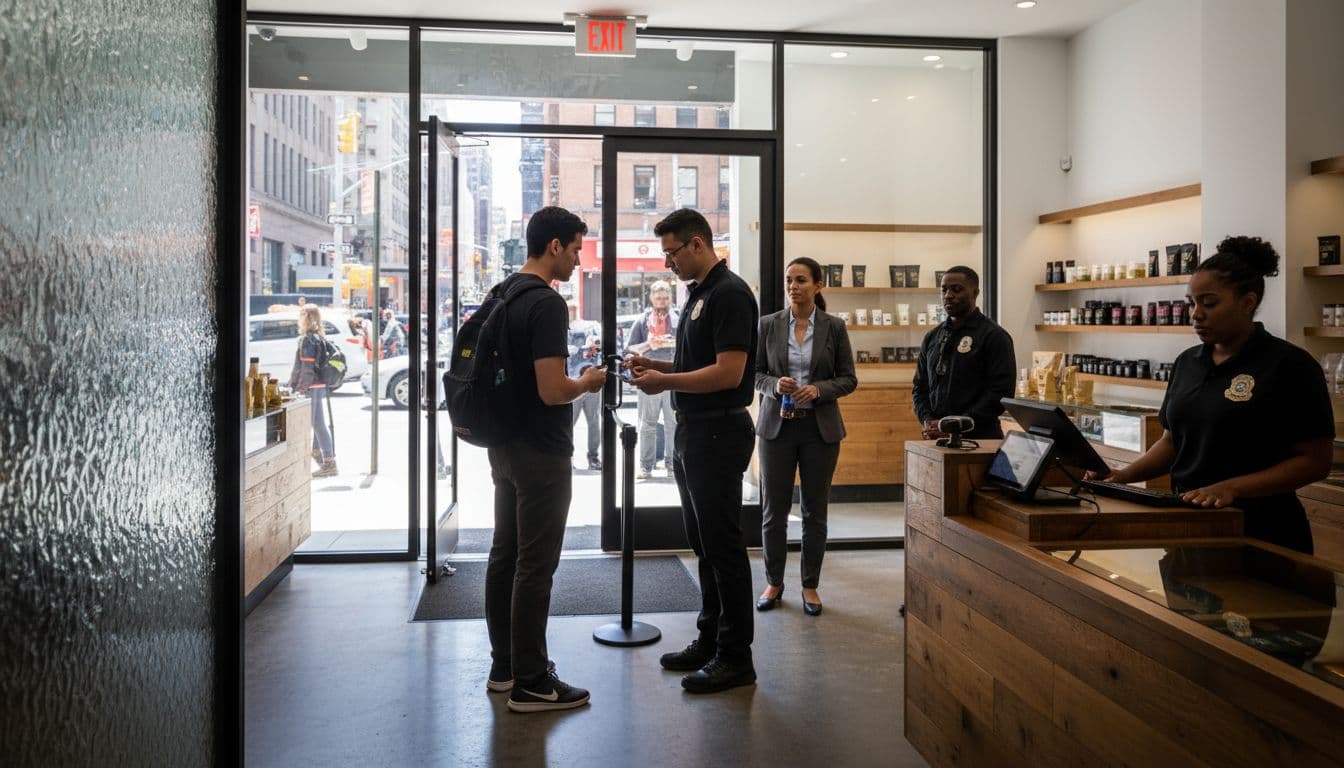
Communication helps as much as floor space. When staff tell you where the line starts, how ID checks work, and where to wait, people spread out more evenly. That reduces side conversations at the entrance and keeps the sales floor open for visitors already inside.
Layout matters, too. You move faster when the check-in desk is visible, the browsing area has enough room, and the checkout line doesn’t cut through product displays. Good stores also separate quick transactions for cannabis shoppers from longer consultations or consumption lounge visits. That split reduces dwell time and keeps one extended conversation from freezing the whole room.
Most importantly, the door team watches pressure build in real time. If the floor looks full, they slow entry for a moment. If the line shortens, they speed it back up. During high traffic at a dispensary, that simple pacing protects compliance and makes the visit feel less chaotic.
Peak-hour staffing depends on clear roles
When traffic rises, adding more people doesn’t fix much if everyone does the same job. Licensed dispensaries work better when each staff member has a defined lane and knows when to hand off a customer.
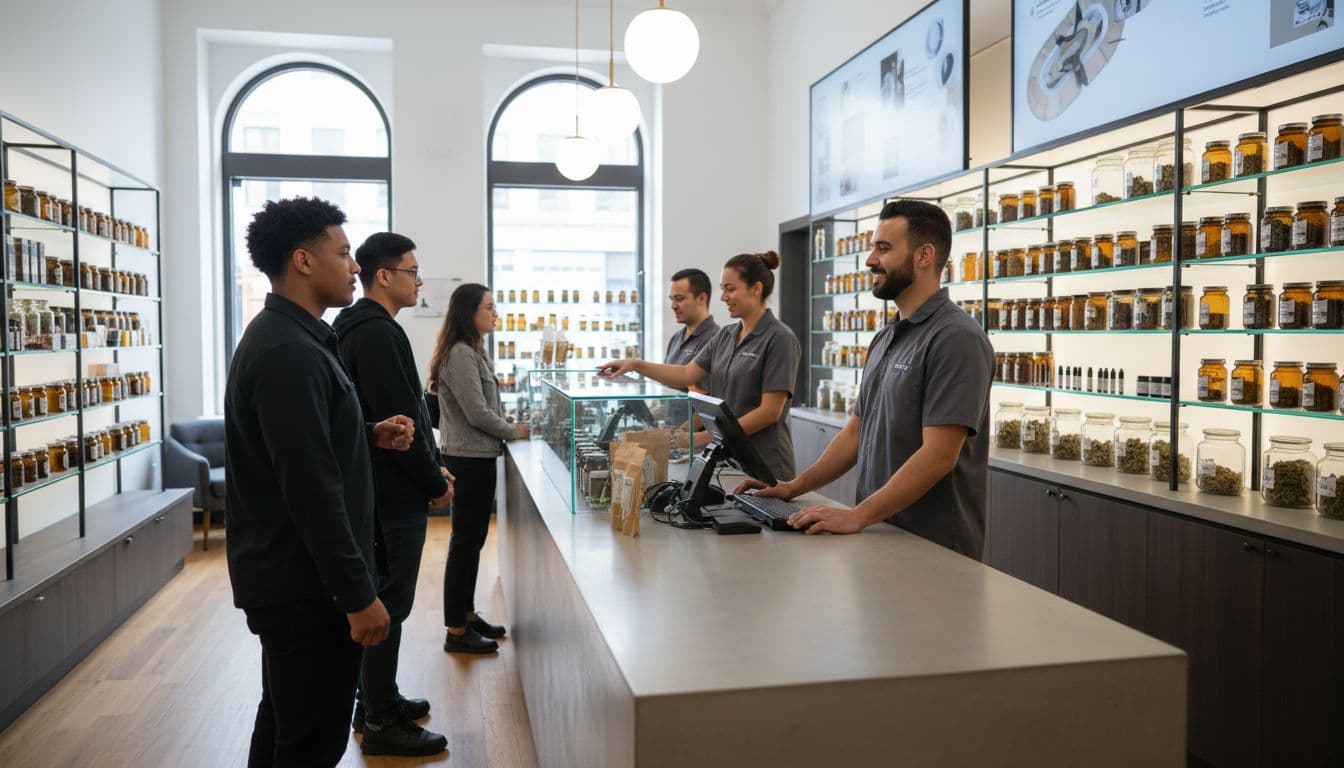
One person may handle entry and ID. Another may guide customers on the floor. A cashier closes transactions, while a manager watches line length, resolves issues, and shifts staff where the pressure is highest. That kind of role clarity matters more than raw headcount.
You can see the difference when the room is busy. Customers get short, direct answers first. Then, if they need more detail, a budtender steps in without blocking the register. This setup separates quick pick-ups for small basket sizes from those needing longer consultations, while medical patients receive priority or specialized care during rushes. Meanwhile, a runner restocks popular items and flags low inventory before the counter runs dry.
Peak scheduling also matters. Managers monitor customer behavior to see when lunchtime traffic rises, when after-work visitors arrive, and when weekends start backing up at the door. They schedule overlap during those windows so breaks, cash counts, and restocks do not hit all at once.
A recent look inside a fast-moving Times Square dispensary described the same pattern seen in mature markets: greeting at the door, active stock checks, quick payment handling, and constant tidying. None of that is flashy. It works because each task supports the next one.
Training shifts during peak hours, too. Staff use consistent language, not long speeches. They verify information, repeat key points when needed, and keep the line moving without skipping compliance steps. If you notice a calm store during a rush, you’re usually seeing repetition, practice, and supervision, not luck.
Inventory control is part of crowd control
High demand doesn’t only strain the front of house. It hits storage, restocking, and product accuracy at the same time. If popular items sell out on the floor and no one catches it, staff lose time answering the same question again and again.
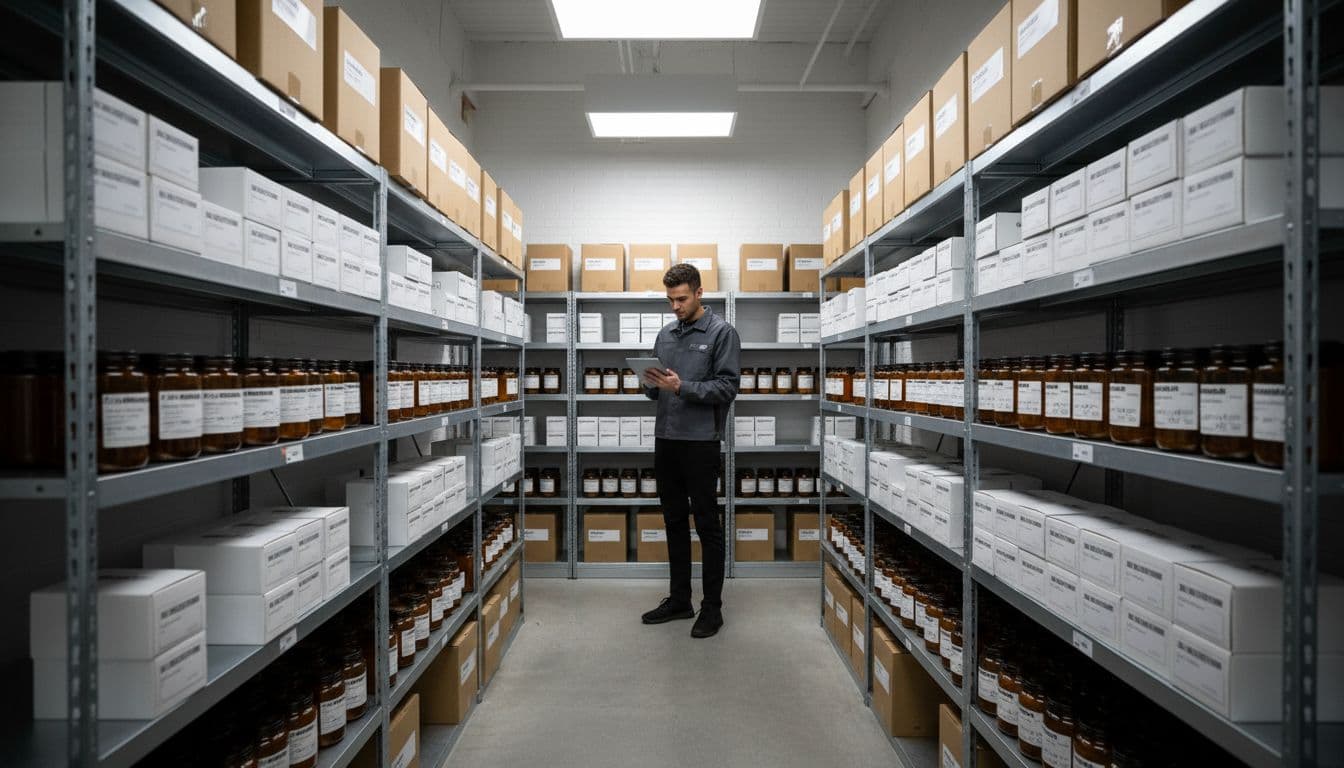
That is why real-time inventory awareness matters during dispensary high traffic periods. Many licensed dispensaries track fast-moving items closely, pull replacements early, and keep storage organized so staff can restock in seconds, not minutes. A neat back room is not cosmetic. It protects the sales floor from avoidable delays.
Accuracy matters as much as speed. In a regulated market, products need correct packaging, labeling, and sales records. During a rush, staff can’t guess, swap, or improvise around missing information. They have to match the item, the system, and the transaction every time.
You can also see this in how licensed stores limit friction. They offer delivery and pickup services to reduce the strain of recreational sales on physical floor space. If something is out of stock, they remove it from the floor quickly. If a line starts to form at one register, a manager may redirect staff or open another point of sale. Loyalty programs build customer loyalty, speeding up checkout since returning customers have profiles ready, know the menu, and ease the burden on staff during a rush. If a delivery or restock arrives at a bad moment, it gets staged out of customer pathways.
For you as a shopper, the best-run store often feels ordinary. That is the point. When dispensary high-traffic periods are handled well, you notice fewer pauses, fewer mixed messages, and fewer crowding issues. The system disappears into the experience.
Frequently Asked Questions
How do dispensaries manage customer flow during peak hours?
Licensed dispensaries start control at the door with ID checks, staggered entry, and staff directing wait areas. Clear communication about lines and processes spreads people evenly, while layout separates browsing from checkout to reduce dwell time. This pacing keeps the floor compliant and accessible even when crowds build.
Why is role clarity important for staff in high-traffic periods?
Clear roles prevent overlap, with dedicated staff for entry, floor guidance, cashiers, and runners to restock. Managers shift help where needed, separating quick sales from consultations. This setup, combined with peak scheduling, ensures steady flow without compliance skips.
How does inventory control support crowd management?
Real-time tracking flags fast-movers early, enabling quick restocks from organized storage to avoid repeated out-of-stock questions. Accurate labeling and removal of empty displays cut transaction friction, while delivery options offload in-store demand. It keeps the sales floor running smoothly amid high volume.
What makes a busy dispensary feel calm and orderly?
Small systems like door pacing, staff training for short answers, and constant supervision make rushes unnoticeable. Layout avoids bottlenecks, and loyalty programs speed repeat visits. Compliance stays intact, turning potential chaos into an effortless experience.
Conclusion
A busy licensed dispensary in the competitive cannabis market stays under control because small systems hold together under pressure. Entry pacing, clear staff roles, and tight inventory habits do more than speed things up; they protect compliance and keep the visit orderly.
Boosting local SEO with an updated Google My Business profile lets customers check live hours and avoid peak crowds. Strategies like event marketing, SMS and email marketing, or a competitor takeover can drive local traffic effectively, all while preserving that orderly environment.
If you walk into a crowded NYC store and it still feels calm, that calm was built on purpose. The smoothest rush hours are usually the ones you barely notice.


