
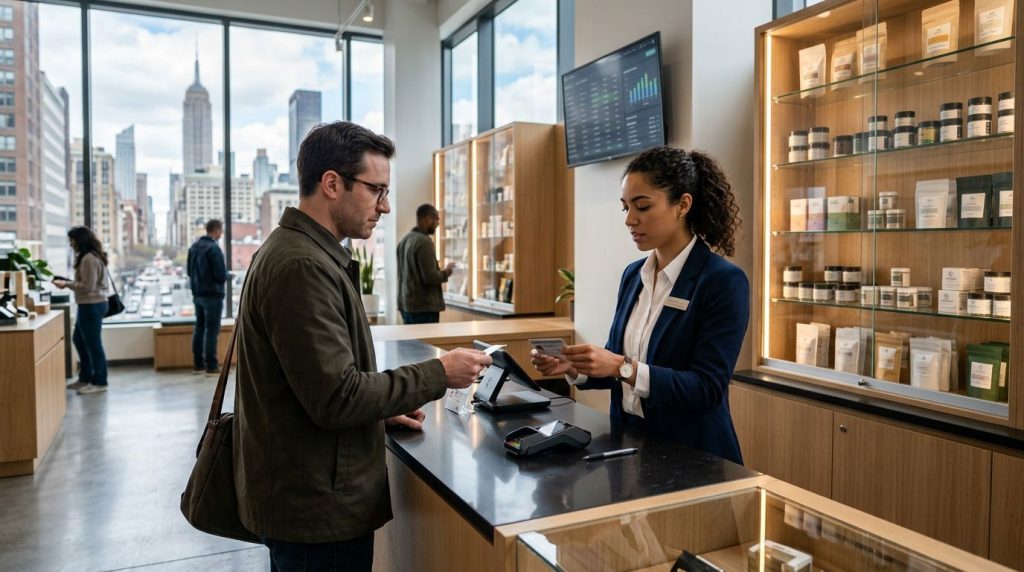
A cannabis package can look polished and still tell you almost nothing about where it came from. In New York City, where storefronts crowd the same blocks, that gap matters. The Office of Cannabis Management oversees the legal market to ensure clarity on who sets the rules for licensed New York dispensaries.
If you’re 21+ and trying to shop legally for adult-use cannabis or recreational cannabis, the license isn’t a small detail. It ties a product to testing, packaging rules, inventory records, and state oversight. As of April 2026, New York has tightened several retail rules. That makes the gap between licensed and unlicensed sellers even wider.
Key Takeaways
- Licensed New York dispensaries ensure consumer safety through strict testing, child-resistant packaging, staff training, and ID checks, creating a controlled supply chain absent in illegal shops.
- Electronic seed-to-sale tracking provides real-time inventory records, enabling quick recalls and traceability for products like flower, edibles, and concentrates.
- Compliance shows in sealed, tamper-evident packaging, proper labeling, and routine procedures, distinguishing legal retailers from unregulated sellers under Office of Cannabis Management oversight.
- As of 2026, tightened rules widen the gap between licensed operations and illicit markets, prioritizing public health and accountability in NYC’s crowded cannabis scene.
Consumer Safety Starts With the License
A licensed dispensary gives you more than a legal place to shop. It gives you a controlled chain of custody, similar to standards found in medical dispensaries. Cannabis brands move through approved channels, not a loose supply line.
In NYC, that distinction matters because appearance can mislead. A sleek counter and good lighting don’t prove much on their own. The license is what puts a store inside a system that can be inspected, audited, and penalized if it breaks the rules.
New York’s compliance standards focus on public health, safe retail practices, and product accountability. In plain terms, licensed businesses must follow rules on testing, storage, packaging, staff training, and records. These rules are part of the state’s focus on social and economic equity within the industry. If a shop falls short, regulators can act.
As of late 2025, New York’s packaging, labeling, marketing, and advertising rules added stronger guardrails. Products sold through licensed stores must use child-resistant, tamper-evident packaging. Multi-use items must be resealable. Some transition rules for older stock run through June 3, 2026. Even so, the direction is clear: safer packaging and tighter controls.
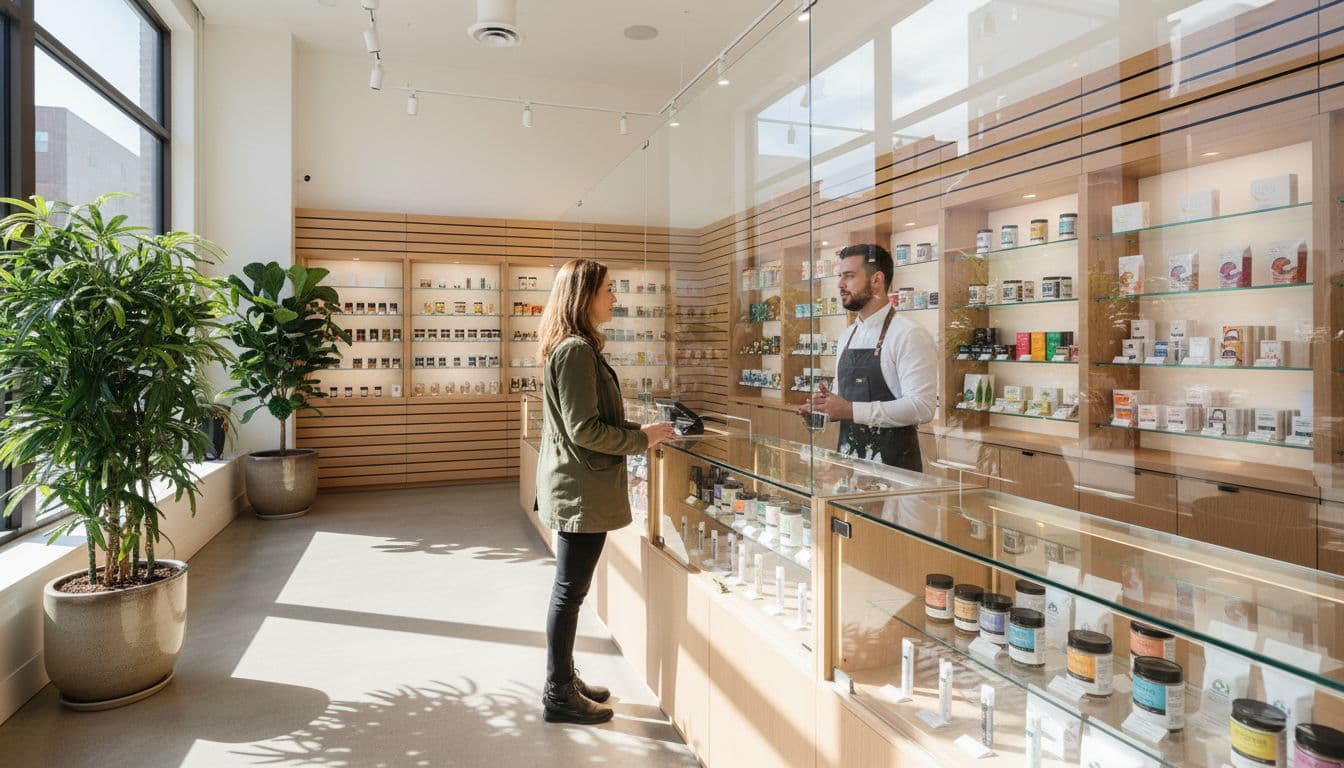
Safety is not only about what sits inside the package. It also depends on how the item was handled before it reached the shelf. Licensed stores must follow rules for storage, inventory control, employee training, and checking government-issued ID. New York also requires cannabis workers to complete training within 30 days of hire. That helps create more consistent retail practices.
Illegal shops sit outside that system. State enforcement has kept pressure on those sellers through closures, seizures, and fines in 2026. That’s not separate from safety, it’s part of it. If a product has no clear path into the market, your ability to trust it drops fast.
A license matters because it ties a product to rules that can be checked, enforced, and traced.
How Product Tracking Protects You After the Sale
Tracking may sound like back-office paperwork, but it affects consumer safety directly. Think of it like package tracking for a shipped order, except the chain is tighter and the stakes are higher.
New York requires licensees to use an electronic inventory system that tracks cannabis in real time. The state’s inventory tracking rule says those records must support a total recall if needed. In practice, that means batches, transfers, and retail inventory should connect to a traceable record.
The state’s seed-to-sale system starts with cultivation licensure and follows the product through several hands. A cultivator records the plant or batch. A processor records how raw material became a finished item. Testing connects to that lot. Then distributors and retailers record transfers and receipt of products like cannabis flower, marijuana edibles, pre-rolls, and THC concentrates. By the time a product reaches the shelf, it should have a history, not a mystery.
If a batch fails testing or is mislabeled, regulators should be able to identify where it went. The same applies if a safety concern appears later. Without that digital trail, a recall turns into guesswork.
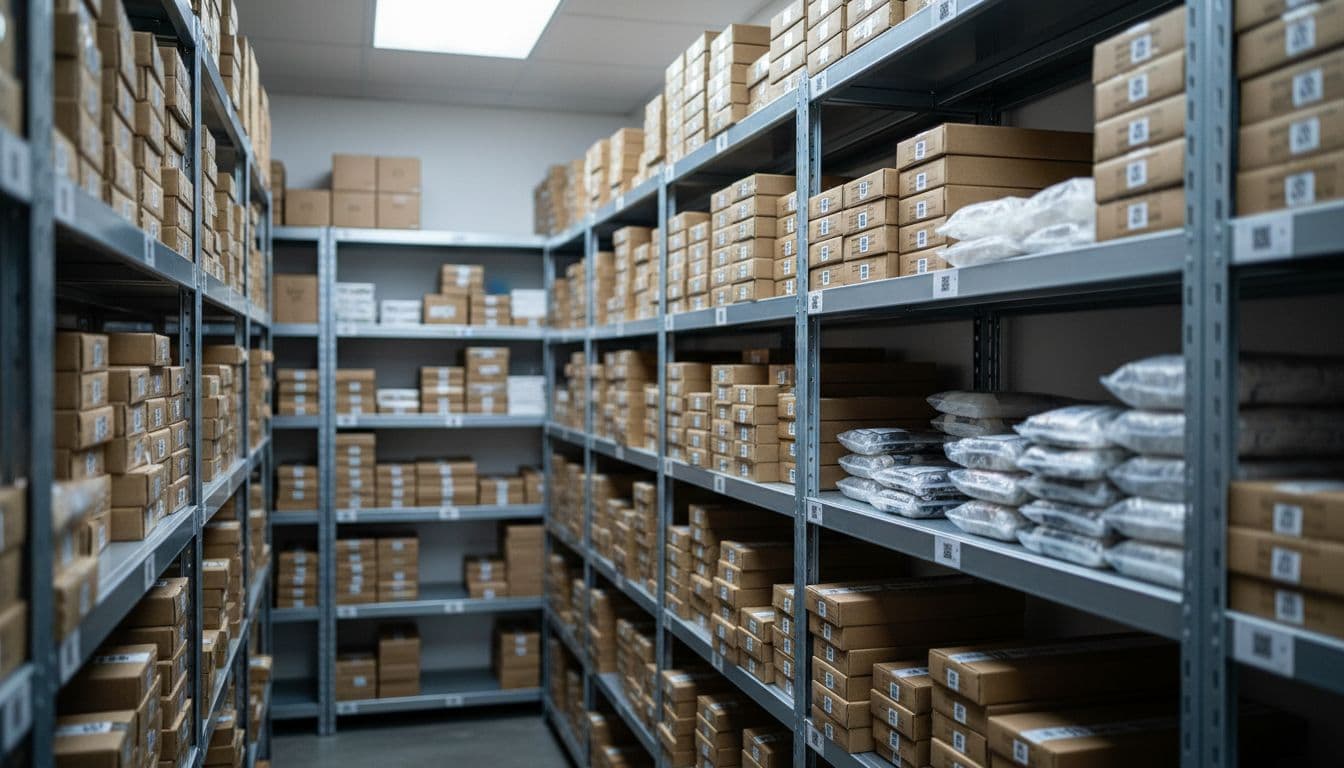
For you, tracking answers basic questions. Where did this item come from? Which batch was it part of? Was it transferred through legal channels? Could the store remove affected units quickly if a problem surfaced? In licensed New York dispensaries, those questions are supposed to have documented answers.
Tracking also protects honest businesses in the legal marijuana market. A compliant dispensary can show what entered inventory, what sold, and what remained on hand. That reduces the chance of mixed stock, mystery products, or shelf items with no paper trail. In a busy city market, that kind of order matters.
Compliance Basics You Can Spot in a Licensed Dispensary
You don’t need to read regulations line by line to notice the basics. A compliant store usually shows its standards in small, practical ways.
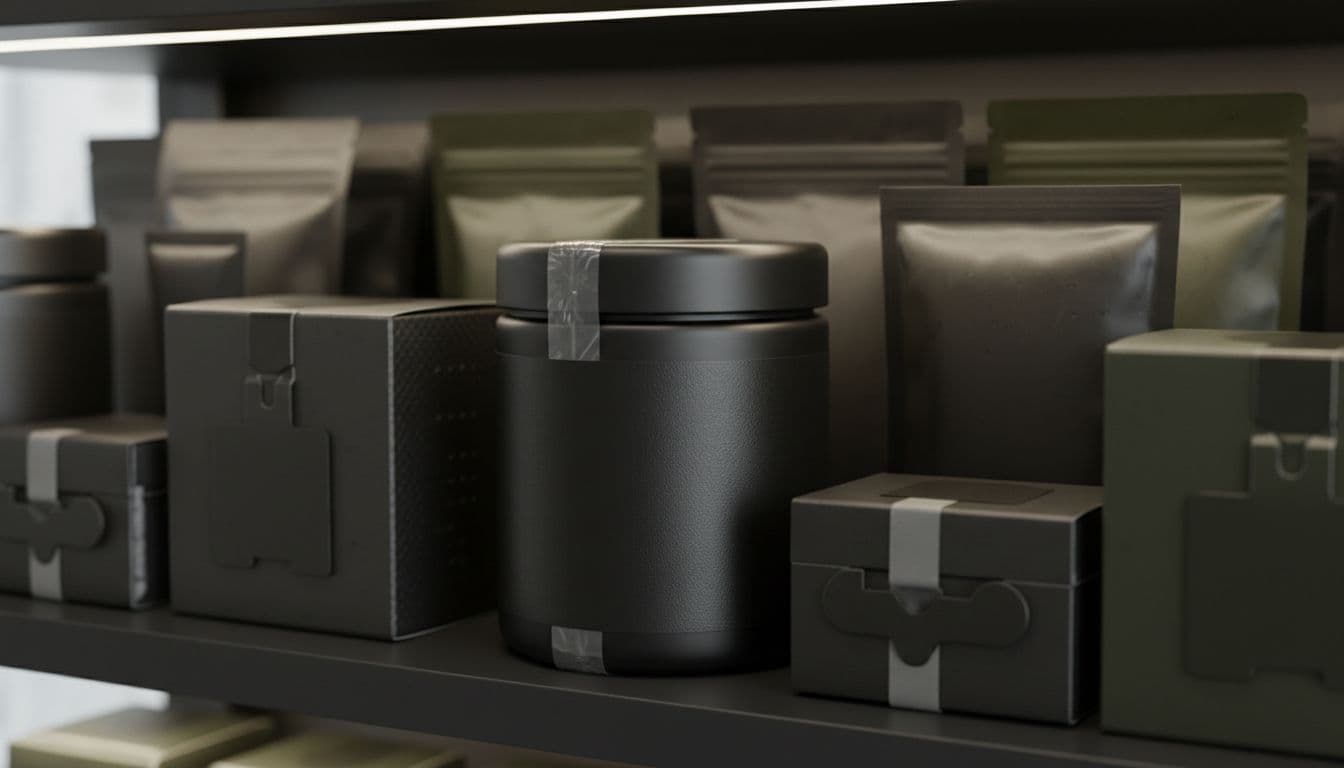
Start with the product itself. Sealed packaging matters because it shows the item wasn’t opened after it left the approved supply chain. Clear batch or lot details matter because they support traceability. Items like infused pre-rolls demand extra attention to these standards. Staff process matters, too. Licensed retail is supposed to match inventory records with what’s physically on site.
A few visible signs often line up with stronger compliance:
- Products stay in original, sealed packaging, not loose bags or unmarked jars.
- Packages look built for safety, with child-resistant and tamper-evident features.
- Staff treat age checks and inventory procedures as routine, not optional.
You can also pay attention to how products are presented. Licensed retail should center on legal labeling and product facts, including cannabinoids and terpenes, not wild promises. If packaging looks stripped of basic information, or staff brush off basic rules, that’s a warning sign. These spots differ from unregulated shops pushing hemp-derived products without the same oversight.
Licensed dispensaries often let you order online for cannabis delivery or pickup, adding convenience while upholding compliance. Many run cash-only due to the lack of safe banking amid delays in federal legalization, yet dispensary licenses provide the stability that backs their operations. Holders of a medical marijuana card can visit medical dispensaries, which follow similar or stricter paths.
As of April 2026, New York continues to expand the legal market while tightening retail standards, especially in high-visibility spots like Manhattan dispensaries. Some packaging rules still have a limited transition period for older stock. Enforcement against illegal stores remains active, a shift from the War on Drugs era toward regulated dispensary licenses. That means compliance is not a one-time box to check. It’s an ongoing job.
Licensed dispensaries operate inside both a paper trail and a digital trail. That doesn’t make every product perfect, and it doesn’t replace your own judgment. It does mean systems exist when something goes wrong.
A storefront can look trustworthy on a quick walk past the block. Safety shows up in what you can’t see at first glance. Think records, packaging controls, staff training, the ability to trace a product back to its source, and reminders against driving under influence.
That’s why licensed New York dispensaries matter. In a city with no shortage of options, the shops that follow the rules give you more than hype. They give you accountability.
Frequently Asked Questions
Why should I only buy from licensed New York dispensaries?
Licensed dispensaries operate under Office of Cannabis Management rules that mandate testing, safe packaging, and tracking, protecting you from unverified products in illegal shops. These standards include child-resistant seals and staff training, which illegal sellers often ignore. Enforcement actions like closures keep pressure on unlicensed operations, ensuring accountability.
How does product tracking work in licensed dispensaries?
New York requires electronic inventory systems for seed-to-sale tracking, recording batches from cultivation through retail sales in real time. This allows regulators to trace issues and issue recalls efficiently if a product fails testing or poses risks. For consumers, it answers where the cannabis came from and confirms legal channels were used.
What visible signs indicate a compliant dispensary?
Look for products in original sealed, child-resistant, tamper-evident packaging with clear batch labels and cannabinoid info. Staff should routinely check IDs and follow inventory procedures, avoiding loose or unmarked items. These align with 2026 rules emphasizing safety over flashy appearances.
Are there transition rules for packaging in New York?
As of late 2025, new packaging standards require child-resistant, resealable, tamper-evident designs, with some transition allowances for older stock until June 3, 2026. Licensed stores must comply fully moving forward to meet public health goals. This ensures consistent safety across the legal market.


