
One vape can look almost identical to another, yet the experience can differ a lot. If you’re scanning a licensed dispensary menu in New York City, the small details matter more than the sleek pen.
For adults 21+, vapes can seem simple because they’re compact and familiar. While many users browse an online vape shop for convenience, NYC regulations for cannabis vapes are specific to licensed physical storefronts. Still, the format blends hardware, extract, labeling, and local rules. Once you know how those pieces fit, the category gets much easier to read.
Key Takeaways
- Licensed dispensaries and clear labeling trump flashy designs—always verify the shop’s license, check extract type (distillate, live resin, rosin), cannabinoid content, size, and batch info before buying.
- Vapes combine oil and hardware, where extract processing affects flavor and potency, much like coffee beans and the machine; hardware quality, airflow, and battery influence the final experience.
- Choose disposables for grab-and-go convenience or cartridges with reusable batteries for flexibility, but watch for puff count, clogging, compatibility, and testing details on the menu.
- In NYC, cannabis vapes are for 21+ adults only from licensed storefronts, count toward the 24-gram concentrate limit, and can’t be used in public spaces like parks, bars, or cars.
- Read menus by prioritizing size, cannabinoid ratios, terpenes, freshness dates, and reviews to cut through hype and find the right match without guessing.
What you’re choosing when you choose a vape
Cannabis vapes are two products in one, the oil and the device. The battery powers a heating element, and that heat turns the extract into an inhaled aerosol. Because of that, the same strain name can feel different across devices.
Think of it like coffee. The beans matter, but so does the machine. In the same way, the extract matters, but airflow, temperature, and vaping hardware quality shape the result.
On a licensed menu, you’ll usually see terms like distillate, live resin, or live rosin. Those words point to how the oil was made, much like the extraction process determines consistency in vape juice or e-liquid, and how much of the plant’s original aroma stays in the final product. Distillate often reads as a simpler, more stripped-down format. Live resin and live rosin usually lean harder into flavor and aroma.
Labels tell you more than branding ever will. Look for the oil type, cannabinoid content, ingredients, size, and batch information. If you’re comparing products in a directory, those details help you narrow the field faster than a flashy product name.
Potency can also trip you up. A high THC number may catch your eye, but it doesn’t explain everything. Assessing THC potency is as vital as checking nicotine strength in traditional products. The extract type, terpene mix, and hardware can all change how a product comes across. Because vape oil is concentrated, small differences matter.
That matters even more in NYC, where legal products and illegal ones can look similar from a distance. A polished pen isn’t proof of quality. Clear labeling, tested batches, and a licensed retail source matter more than appearance.
Disposable and cartridge vapes are built for different habits
Most licensed vapes fall into two main formats, disposable vapes and cartridges that pair with a reusable battery. Neither option wins by default. The better fit depends on how often you use one and how much flexibility you want.
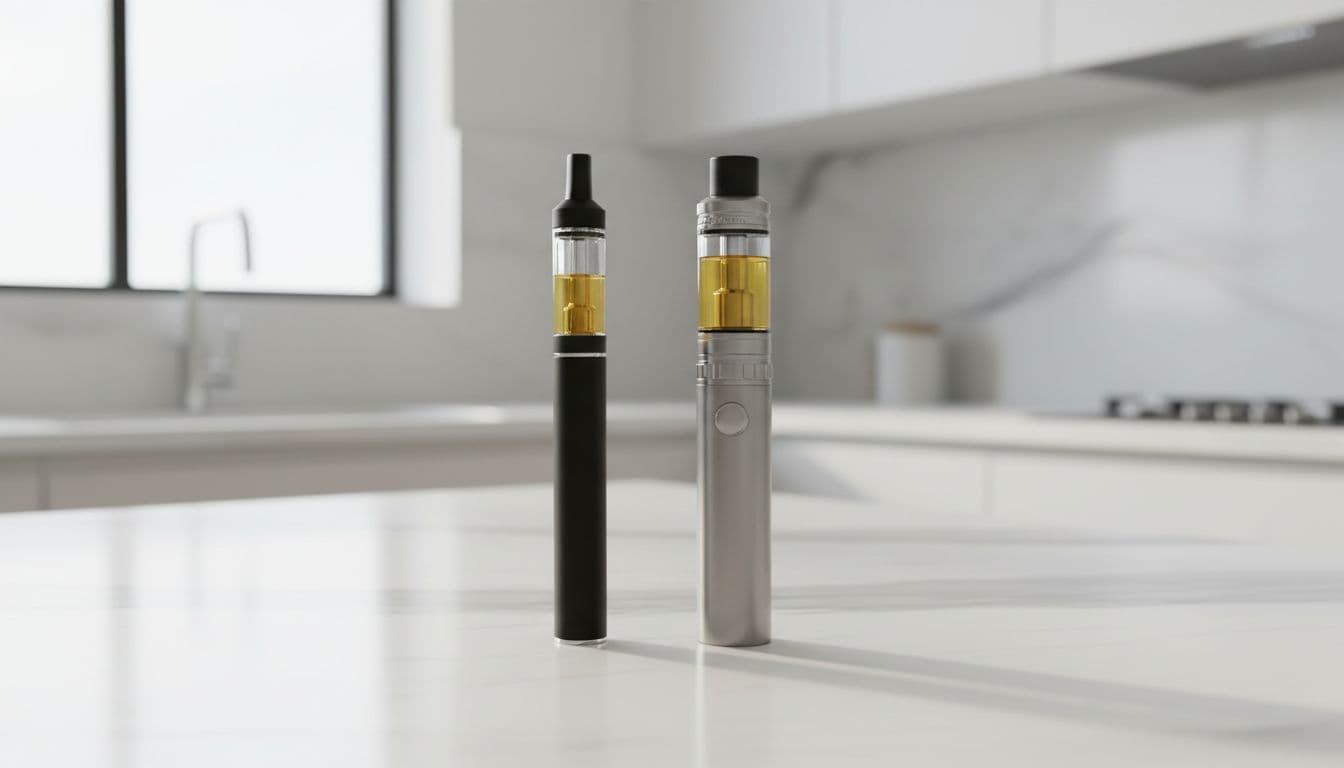
Here’s the quick difference:
| Format | What it offers | What to watch |
|---|---|---|
| Disposable vapes | All-in-one design, often a rechargeable disposable with USB-C charging, no extra battery needed | Oil size, puff count, testing info, more waste |
| Cartridge vapes | Swappable oil with a reusable battery | Battery fit, voltage control, clogging, device compatibility |
| Pod system | Brand-specific hardware and simple setup | Whether the pod works only with one device line |
Disposable vapes are the grab-and-go version. A cartridge setup is more like a reusable razor, you keep the handle and swap the insert. Pod systems sit in the middle and can feel simple, but they often lock you into one hardware family.
Don’t judge the format by shape alone. Battery quality affects heat, and heat affects flavor, which is often enhanced by a mesh coil or dual mesh coil. A strong-looking device can still run too hot or clog too often. Meanwhile, a plain cartridge may perform well if the hardware is reliable and the oil is stored properly.
You should also check whether a listing tells you the cartridge size, battery style, charging method, puff count, or battery life. Those aren’t small details. They’re the difference between a smooth experience and a device that feels annoying after a day or two. Factors like airflow control matter beyond just the puff count or high puff count.
How to read a licensed vape menu without guessing
A vape menu can feel like an airport departure board, lots of numbers, very little context. The fastest way to cut through the clutter is to focus on three things first, extract type, size, and ratio.
Start with size. A 0.5-gram cartridge isn’t weaker than a 1-gram cartridge. It simply contains less oil, much like vape kits or starter kits that vary by capacity. After that, look at the cannabinoid profile. A high THC percentage may not be the best match for every adult, and a balanced profile can read very differently from a single high number.
Next, look at terpene notes. Citrus, pine, pepper, fruit, or gas-like descriptions can evoke disposable vape flavors, from fruit flavors to tobacco flavors, or the cooling effect of menthol e-liquid. These tell you more about aroma and taste than they do about a guaranteed outcome. That’s useful because strain names alone can be loose shorthand.
Dates matter too. Freshness won’t tell you everything, but old inventory can be a sign to slow down and read more carefully. The same goes for ingredient lists. If a product listing skips basics like oil type or size, you don’t have much to work with.
Reviews can help, but they work best as a second filter. If many adults mention the same clogging issue or weak battery performance, that’s worth noting, just as with disposable vape flavors boasting a high puff count that fail to deliver consistent e-liquid performance. Still, community feedback should support the label, not replace it. A licensed listing with clear product facts gives you a stronger starting point.
The NYC rules around legal cannabis vapes in 2026
In New York City, legal cannabis vapes are for adults 21+ and should come from licensed dispensaries only. As of early April 2026, vapes count toward the state’s 24-gram limit for concentrates, which also covers oils and other concentrate products. Note that regulations for nicotine pouches differ from these cannabis concentrate rules.

Use rules matter too. In general, if tobacco smoking isn’t allowed, vaping cannabis usually isn’t allowed either. That means no vaping in cars, restaurants, bars, most workplaces, and many parks, beaches, schools, or federal spaces. If you’re visiting the city, keep your purchase in New York State.
If a shop can’t verify its license, treat that as a hard stop.
That advice carries more weight now because enforcement has been strong. Recent coverage of new adult-use dispensary openings in New York shows the legal market is still growing. At the same time, reporting on the crackdown on unlicensed smoke shops shows how hard state and city officials have pushed against illegal storefronts, which often stock nicotine brands like Geek Bar, Lost Mary, Smok, or Vaporesso instead of legal cannabis products.
The legal market has expanded fast, with more than 600 licensed dispensaries statewide and more approvals arriving in early 2026. That growth matters because licensed retailers must carry tested, labeled products, including standard cannabis pens that differ from advanced vape mods. In many cases, a state verification QR code helps confirm the shop is authorized. If that proof isn’t available, or the staff can’t give basic product details, you’re better off moving on.
Frequently Asked Questions
What’s the difference between disposable vapes and cartridge vapes?
Disposable vapes are all-in-one, rechargeable units with built-in oil and battery for easy, no-fuss use, though they create more waste. Cartridge vapes pair swappable oil carts with a reusable battery, offering flexibility, voltage control, and less waste but requiring compatibility checks to avoid clogs or poor performance. Pod systems split the difference but often lock you into brand-specific hardware.
How do I spot a licensed cannabis dispensary in NYC?
Look for state verification like a QR code, clear product testing and batch info, and staff able to provide license details—walk away if they can’t. Unlicensed shops often carry nicotine brands like Geek Bar or Smok instead of tested cannabis products. With over 600 licensed spots statewide as of 2026, sticking to verified retailers ensures safe, legal buys.
What should I check first on a vape menu?
Start with extract type (distillate for simple potency, live resin/rosin for flavor), size (0.5g vs 1g), and cannabinoid ratios—terpene notes like citrus or pine hint at taste. Freshness dates, ingredients, puff count, and battery specs follow, with reviews as a backup to spot issues like clogs. Strain names alone aren’t enough; labels give the real story.
Are there rules for possessing and using cannabis vapes in NYC?
Legal vapes from licensed dispensaries are for 21+ adults, limited to 24 grams of concentrates total, and must stay in New York State if you’re visiting. Vaping follows tobacco rules: no use in cars, restaurants, bars, workplaces, parks, beaches, schools, or federal areas. Enforcement is strict, so prioritize licensed sources to avoid risks.
Does high THC always mean a stronger vape experience?
Not necessarily—hardware like battery heat, airflow, and coil quality shapes how potency hits, just as extract type and terpenes alter flavor and effects. A high-THC distillate might feel straightforward, while balanced ratios with live resin deliver more nuance. Always read beyond the number for the full picture.
Choose clarity over hype
The hard part about vapes isn’t the device itself. It’s knowing how oil, hardware, labeling, and NYC rules fit together.
When you start with a licensed source and read past the strain name, the category stops feeling murky. That’s when vapes become easier to compare, and much easier to understand. Understanding the difference between cannabis extracts and products like salt nicotine or nic salt ensures a safer experience with NYC vapes.


