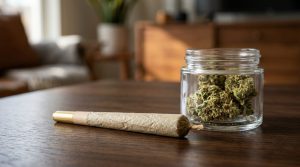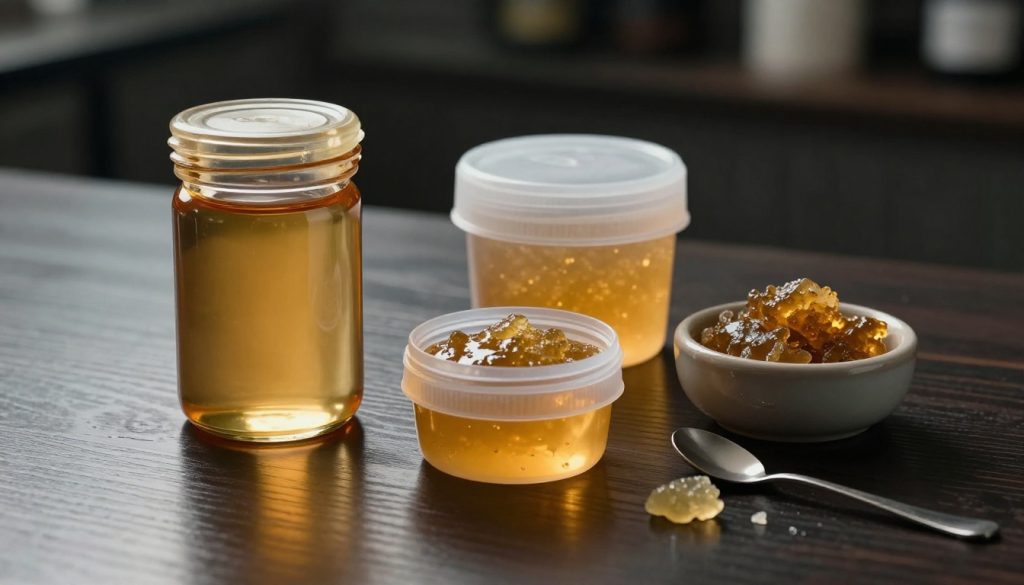
Cannabis concentrates can look simple on a menu, yet they often create the most confusion. One jar of marijuana extract looks like amber glass, another like cake frosting, and both sit under the same broad label.
If you’re browsing licensed NYC dispensaries, you need more than strain names and flashy packaging. You need to know what the form means, how it was made, and what the label is telling you about potency or if it’s wax.
A few basics can turn a crowded shelf into something you can read with confidence.
Key Takeaways
- Cannabis concentrates collect trichomes into compact forms with higher THC and varied textures; labels on cannabinoid percentages, terpenes, and pack dates matter more than appearance.
- Common NYC shelf types include shatter (glassy, stable), wax/budder (soft, easy to handle), rosin (solventless, creamy), and hash (trichome-focused, sandy to pressed).
- Production methods like solventless (rosin, hash) or solvent-based (BHO, CO2) shape the product; live resin uses fresh-frozen material for brighter terpenes.
- Texture reflects handling and storage, not potency—choose based on your dabbing rig, vape, or routine in licensed NYC dispensaries.
- Prioritize label facts over hype: extraction type, ingredients, and batch info turn a crowded shelf into confident choices.
What concentrates are, and why they feel different
Cannabis concentrates take the plant’s most active compounds and collect them into a more compact form. That usually means higher THC levels than flower, plus a different balance of terpenes, texture, and handling. Because of that concentration, small amounts can carry a lot of weight.
In simple terms, cannabis concentrates gather trichomes, the resin-rich part of the plant. That resin holds cannabinoids and terpenes. When you see wax, rosin, shatter, hash, butane hash oil, or hash oil, you’re looking at different ways of preserving or extracting that trichome material.
Texture can mislead you if you treat it like a strength score. A firm shard isn’t always stronger than a soft badder. Sometimes texture reflects heat, agitation, storage, or the way the extract was finished. Texture is also important when considering your method of consumption, such as dabbing.
Texture is a handling clue, not a quality score.
Labels matter more than appearance alone. Look at the cannabinoid percentage, terpene details, ingredient list, and package date together. If you want a quick refresher on the basics, this detailed guide to cannabis concentrates gives helpful context.
Two products can post similar THC numbers and still look, smell, and handle differently. Terpenes, minor cannabinoids, and the intended format all shape what you see on the shelf before you ever open the jar.
That foundation helps because licensed NYC menus now include far more than one or two extract styles. Once you know what the broad category means, the shelf starts to make more sense.
Common concentrate types you’ll see on NYC shelves
Some forms are easy to tell apart the moment you see them. Shatter is brittle and glass-like. Wax or budder is softer and easier to scoop. Rosin often looks rich and creamy, while hash can range from sandy to pressed. You’ll also spot crumble in NYC dispensaries, with its drier, breakable texture that sets it apart from softer budder.
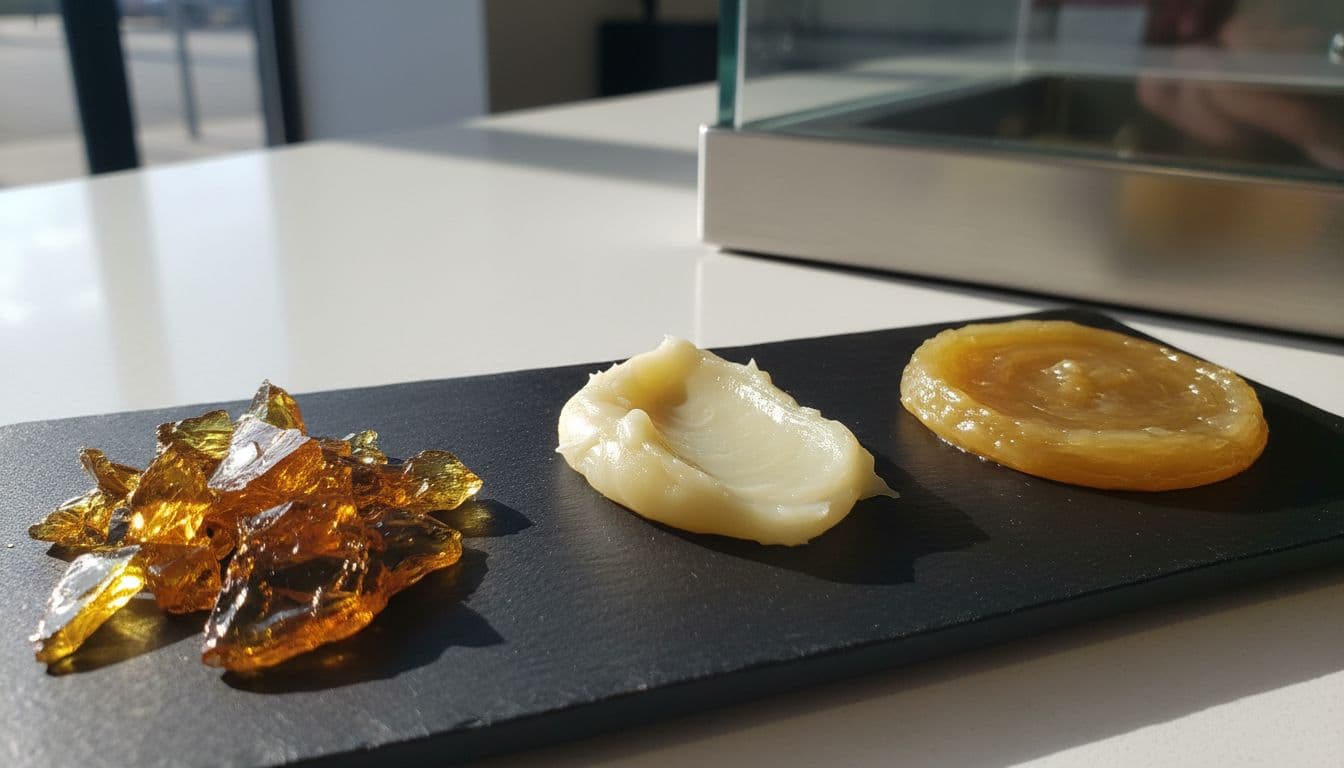
You may also see shatter, wax, live resin, diamonds, terp sauce, and oil in vape cartridges. Those names can sound like separate worlds, but many simply describe texture, refinement, or starting material. A New York-focused comparison of budder, crumble, and bubble hash shows how form and handling can differ even within the same broad category.
This quick view helps sort the shelf:
| Type | Texture | What it often tells you |
|---|---|---|
| Shatter | Hard, glassy | Stable and easy to store, but more fragile to handle |
| Wax | Soft, whipped | Easier to portion, often chosen for convenience |
| Budder | Creamy, batter-like | Smooth and versatile for dabbing, popular in NYC shops |
| Rosin | Oily to creamy (solventless format) | Texture shaped by heat and cure, with full-spectrum appeal |
| Hash | Sandy, pressed, or sticky | Trichome-focused product, with different grades and uses |
Beyond these core extracts, NYC shelves often feature secondary products like kief, which is the powdery trichome dust sifted from flower; moonrocks, nug-covered balls of cannabis coated in kief; or infused flower, where buds are enhanced with concentrates. Traditional enthusiasts might check THC levels and bubble hash for a clean, water-extracted option.
The key point is that form alone doesn’t tell you whether a concentrate is better. It tells you how it behaves. A soft concentrate may be easier to manage. A stable one may travel better. Meanwhile, while some choose cartridges, others prefer using a dab rig for concentrates like live resin, live rosin, or terp sauce, or even a full dab rig setup at home.
On an NYC shelf, think of these formats like different cuts of the same material. They’re related, but each asks something different from your routine, tools, and comfort level.
How production and labels help you judge concentrates
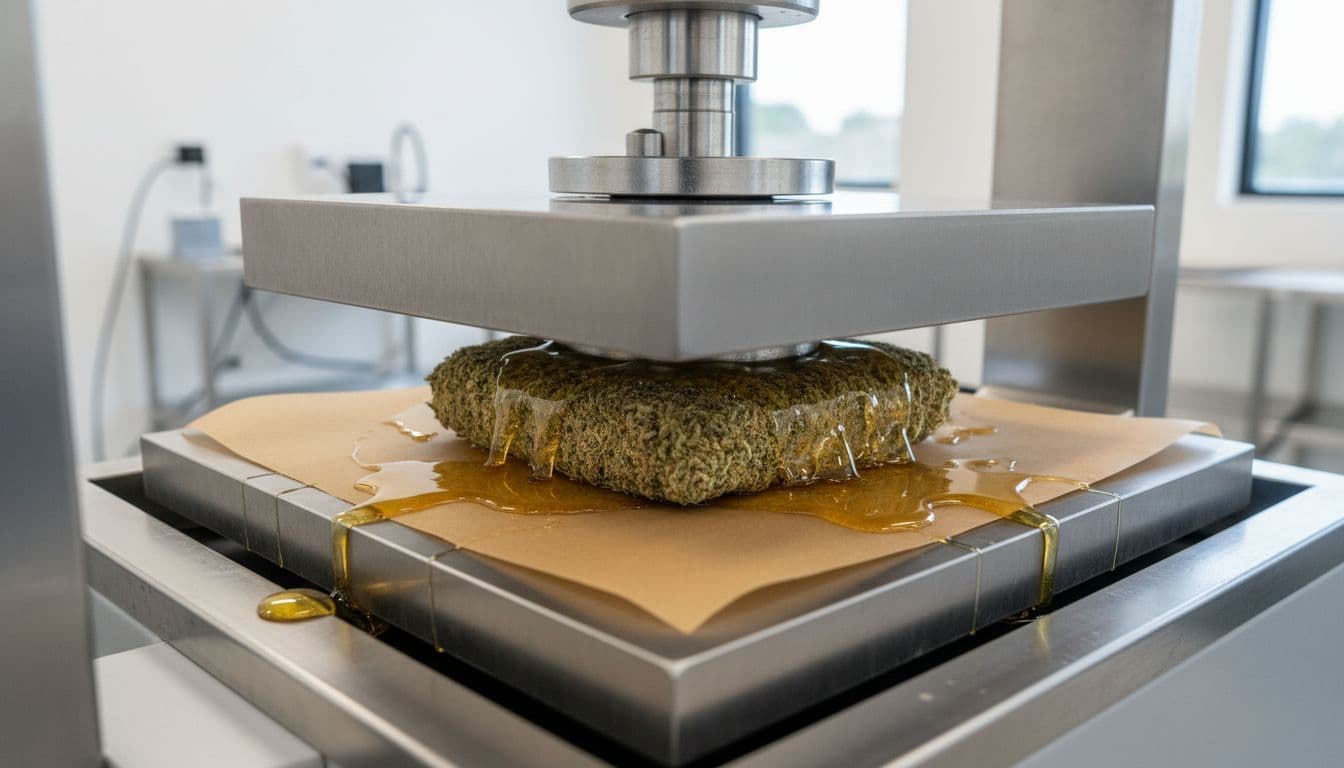
The extraction process shapes the final product. Solventless options, such as rosin produced with a rosin press or some hash products, rely on pressure, heat, water, or mechanical separation. Solvent-based extraction processes, like CO2 extraction, use licensed lab methods and then remove the solvent during processing. Either way, the finished product should reach the legal market with testing and clear labeling.
The words live resin, cured, and distillate matter too. Live resin usually points to fresh-frozen cannabis input material, which can hold onto a brighter terpenes profile. Cured starts with dried flower. Distillate is more refined and often appears in vape products, sometimes with added terpenes listed on the package.
When you read a label at a licensed NYC dispensary, focus on a few plain facts. Check the extraction process type if it’s listed. Look at THC levels and potency, not hype-heavy strain names. Read the ingredient panel on carts and infused products, confirming THC levels and potency details. Then check the pack date and batch information, because age and storage can change texture, aroma, and performance.
Package condition matters too. A concentrate that has leaked, dried out, or separated may not reflect how it left production. Good packaging helps preserve the product, especially in a city where items may move through warm streets and dry indoor heat before they reach the shelf. Items like Rick Simpson Oil or full melt hash may have specific labeling requirements to note potency stability.
Dabbing cannabis concentrates requires specific gear like a dab rig, and licensed staff can explain compatibility without guesswork. That’s useful in New York City, where dabbing menus in Manhattan, Brooklyn, Queens, the Bronx, and Staten Island can look similar at first glance but vary a lot in detail and dabbing suitability.
The cleanest decision often comes from the least flashy details. In cannabis concentrates, the label usually tells you more than the product name ever will. Hash oil and other selections become straightforward when you prioritize these facts.
Concentrates stop feeling mysterious once you read them by form, production method, and label data. When you do that, a crowded shelf becomes much easier to sort.
That clarity matters in NYC’s licensed market, where choice keeps growing. Keep your attention on the facts, compare formats patiently, and let the label do most of the talking.
Frequently Asked Questions
What are cannabis concentrates?
Cannabis concentrates gather the plant’s trichomes—resin glands holding cannabinoids and terpenes—into potent, compact forms like wax, shatter, or rosin. They offer higher THC than flower with different textures suited to dabbing or vaping. Labels reveal potency and production details beyond the jar’s look.
How do shatter, wax, and rosin differ on NYC shelves?
Shatter is hard and glassy for stable storage, wax is soft and whipped for easy portioning, while rosin is oily to creamy from solventless pressing. These textures affect handling but not strength—pick based on your tools like a dab rig. NYC dispensaries stock them with clear labels on THC and terpenes.
What should I check on concentrate labels?
Focus on THC percentage, terpene profile, extraction method (solventless or solvent-based), ingredients, and pack date. Avoid judging by strain names or visuals alone, as age and storage can alter texture. This keeps choices straightforward in licensed NYC shops.
Does texture indicate a concentrate’s quality or potency?
No, texture comes from heat, agitation, or finishing, not strength—two products with similar THC can look different. It’s a clue for handling, like scooping soft budder versus breaking shatter. Always rely on lab-tested label data instead.
What’s the difference between live resin and cured concentrates?
Live resin starts with fresh-frozen cannabis for a brighter terpene profile, while cured uses dried flower. Both appear in NYC as waxes or sauces, but live versions aim to preserve fresh flavors. Check labels for input material and potency details.