
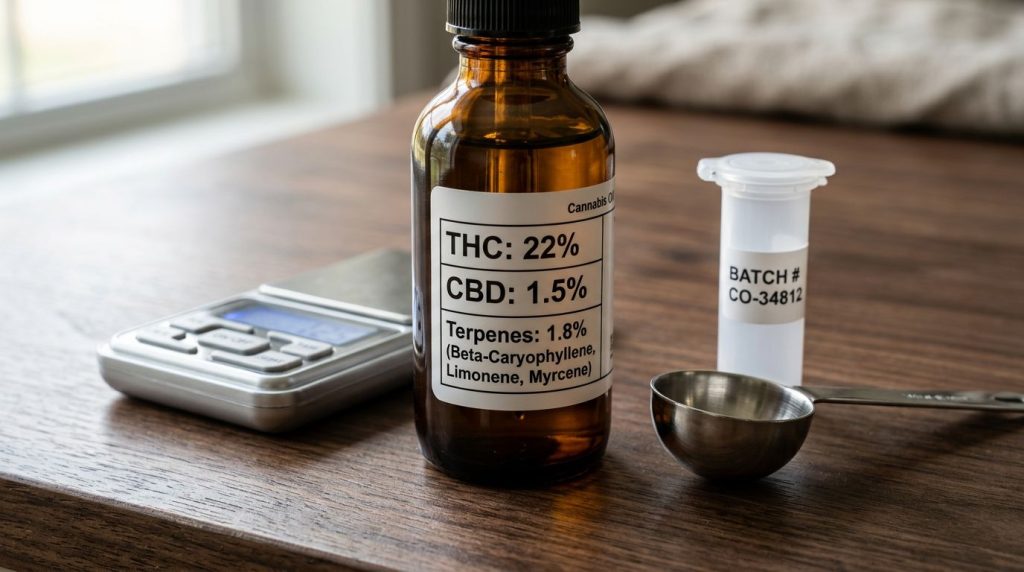
A cannabis label can feel like a puzzle at first glance. Yet once you know what each line means, you can read it like a nutrition panel, not a mystery. If you’re comparing legal products in New York City, the details that matter most are THC CBD terpenes, serving size, and batch information. Cannabinoids serve as the broader category for compounds like THC and CBD, setting the stage for the product’s chemical profile. Terpenes and cannabinoids are secondary metabolites of the plant, contributing to its unique characteristics.
Those four pieces work together. Potency tells you how strong a product may be. Terpenes add context about aroma and product profile. Serving size shows what the numbers mean in real use. Batch details help you judge freshness, consistency, and traceability.
What THC, CBD, and terpenes actually tell you
At a licensed dispensary, the boldest number on the package often gets the most attention. That number rarely tells the whole story. You need to read THC and CBD next to the product type, total weight, and unit size. These are key cannabinoids, but the full chemical makeup includes others that contribute to the effects.
THC is usually the main intoxicating cannabinoid. CBD is different, and it doesn’t tell you how “strong” a product is by itself. What matters most is the amount and the ratio, along with their synergistic relationship with terpenes. This interaction, known as the entourage effect, means a vape with high THC and very little CBD feels different from full-spectrum cannabis in an edible with a more balanced profile of THC, CBD, and terpenes.
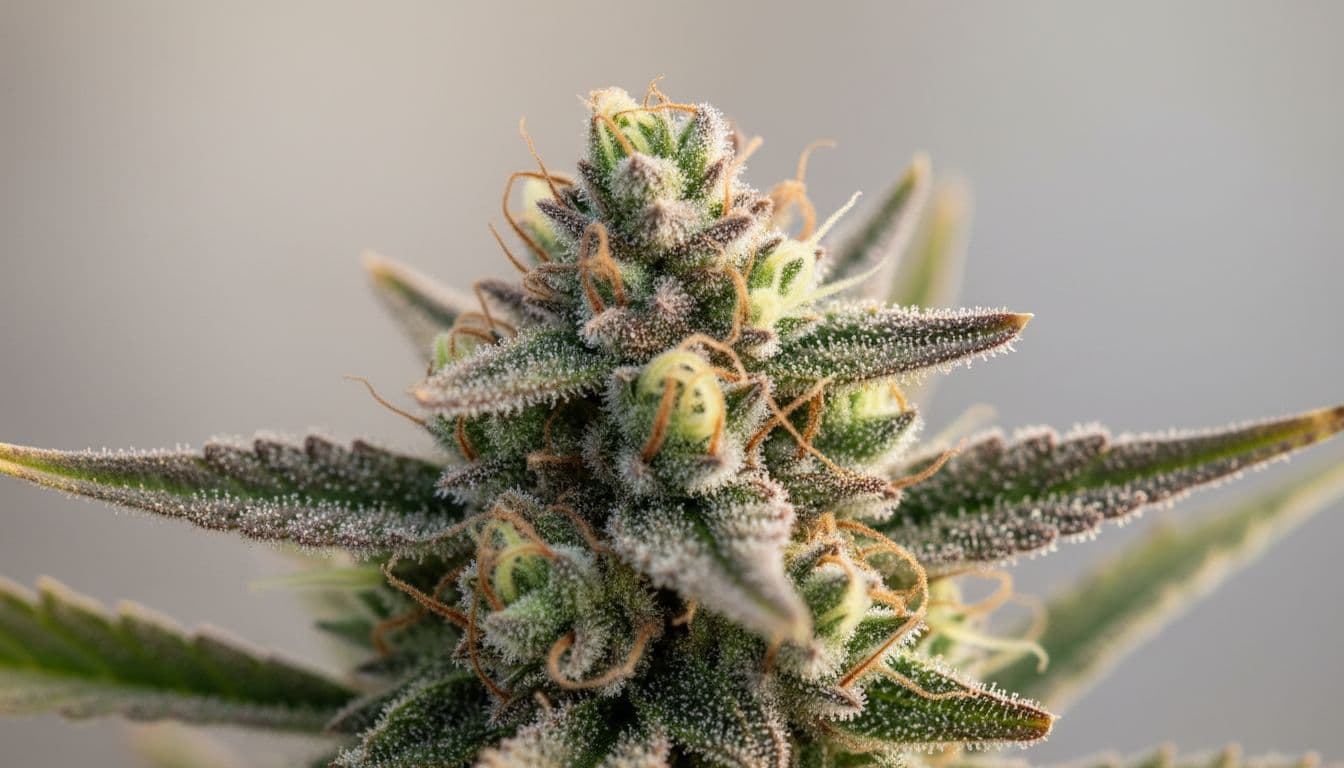
Terpenes add another layer. They are aromatic compounds found in cannabis and many other plants. They shape smell and flavor, and shoppers often use terpene profiles to describe a product’s overall character and variety across strains. In other words, a label that shows terpene content gives you more context than THC alone.
Some products list cannabinoids as percentages. Flower often does. Edibles usually show milligrams per piece and per package. Concentrates may show both. Because formats differ, you should compare like with like. A 20 percent flower product is not read the same way as a 10 milligram edible.
You should also remember that a strain name is not a formula. Indica vs Sativa labels are less precise than reading the actual lab results for THC, CBD, and terpenes. Two products with the same name can carry different numbers, especially across batches. If you want to see how licensed retailers explain these terms, this New York cannabis label guide shows how the same data appears across product types.
Why serving size changes the meaning of every number
Serving size is where many people get tripped up. A package can look mild or strong depending on which number you notice first. That’s why per-serving data matters more than total-package data in most cases, especially since users track dosage to harness therapeutic properties like anti-inflammatory and analgesic effects.
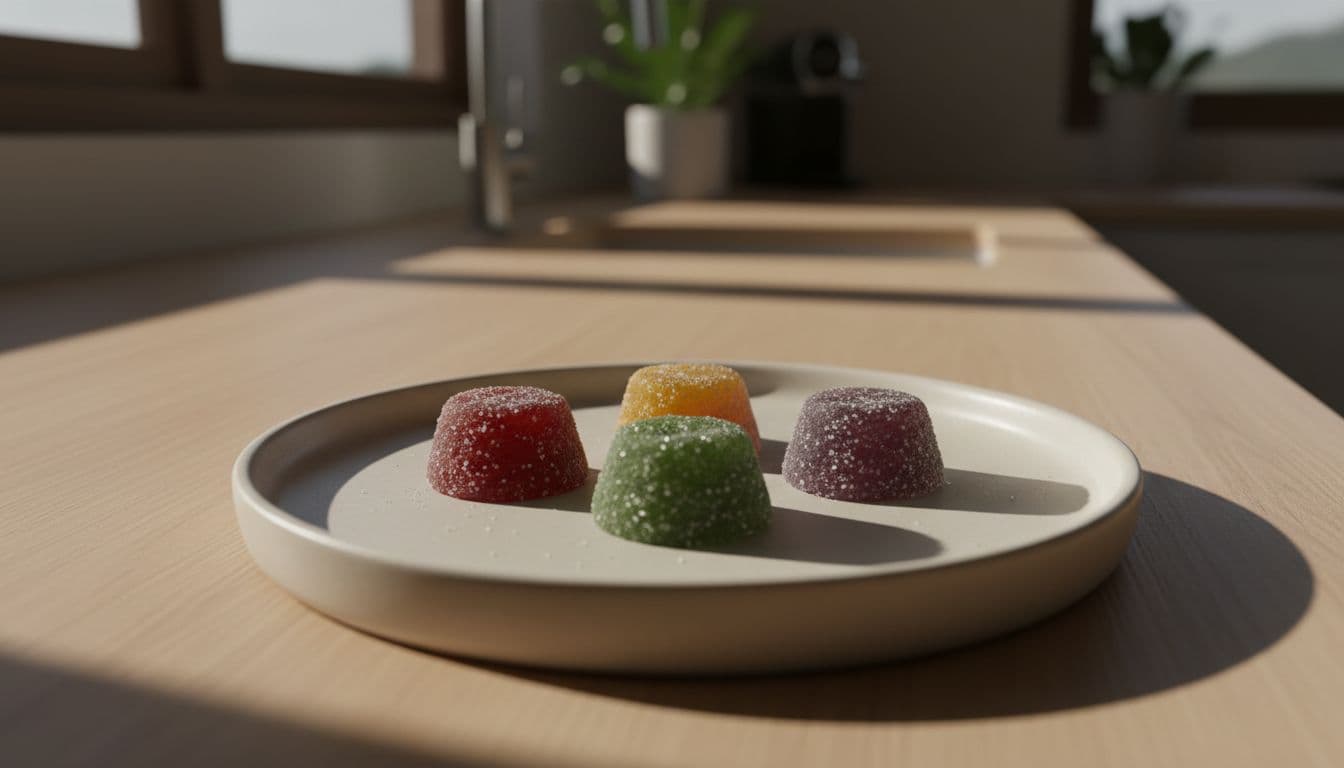
With edibles, this point is easy to miss. A pack may contain 100 milligrams of THC, but one gummy may contain 10 milligrams. If you read only the large total, you can misread the product. The same logic applies to CBD, including broad spectrum CBD. A chocolate bar with 50 milligrams of CBD per package may offer just 5 milligrams per square.
The number that matters most is the amount in the serving you’ll actually use.
Serving size also affects how you read terpene data. On flower, terpene content often refers to the product as a whole by percentage. On edibles, terpene numbers may be absent, low, or added back after processing, depending on extraction methods. That doesn’t make the product better or worse. It simply means you should compare terpenes within the same category.
This quick table keeps the label straight:
| Label item | Check first | Why it matters |
|---|---|---|
| THC | Per serving or per piece | Shows usable potency |
| CBD | Per serving or per piece | Adds context to the ratio |
| Terpenes | Percent or total amount | Helps compare aroma profile |
| Serving size | Piece, dose, or unit | Turns label numbers into real use |
So, when you scan a package, start with the unit you will actually consume. Then read the total package amount. After that, look at the THC to CBD ratio and any terpene details. If you shop in Manhattan, Brooklyn, or Queens, this habit makes shelf-to-shelf comparison much clearer.
What batch details say about freshness and consistency
Batch details may look boring, but they tell you a lot. A batch or lot number links a product to a defined production run. If a brand makes the same gummy twice, those two runs can still test differently. The product name may match, while the numbers do not.
That matters most with flower and concentrates. Terpene levels can shift from batch to batch. Volatile compounds like myrcene, limonene, pinene, linalool, humulene, and phytol can vary, along with beta-caryophyllene, which interacts with CB2 receptors. Aroma can change, and potency can move up or down. Even when the difference is small, the label should show you that change. If you liked a jar last month, checking the new batch gives you a better comparison than relying on the name alone.
Dates are part of the story too. You may see harvest, packaging, manufacturing, or best-by dates, depending on the product. Newer is not always better by itself, yet older stock can lose some aromatic punch over time and develop oxidized cannabinoids, which change the product’s effect. Fresh batches retain their essential oils for that aromatic essence, and for terpene-rich products, freshness often shows up first in smell. Monoterpenes drive scents like citrus or pine that fade faster, while sesquiterpenes support more enduring notes like pepper or earth.
You can also look for details that support traceability, such as the producer, net contents, and testing-related information. In a legal market, those fields help connect the product to recordkeeping and quality control. For another real-world example, this shopper-focused label overview walks through batch and testing fields in plain language.
The bottom line on THC CBD terpenes and label details
When you read a cannabis label from top to bottom, the product makes more sense. THC and CBD give you the core potency picture as key cannabinoids. Terpenes add profile, serving size shows what the numbers mean in practice, and batch details help you compare freshness and consistency. In short, context matters more than one headline number on THC CBD terpenes. That’s what helps you read legal cannabis labels with more confidence, so these cannabinoids and terpenes can target your endocannabinoid system for the desired medicinal effects.


