

A “dispensary menu” can look simple until you open it (or “order online” as shoppers often do to view real-time availability before visiting) and face strain names, THC numbers, pack sizes, and product types all at once. That’s why “nyc cannabis menu” can feel harder to read than it should.
Once you know how a licensed menu is built, the confusion drops fast. You stop seeing a wall of jargon and start seeing a clear retail system with rules, labels, and useful signals.
What a licensed NYC menu is built to show you
At a licensed cannabis dispensary, the menu isn’t random. It’s a structured list of legal product categories, with each item grouped by format, weight, strength, and price.
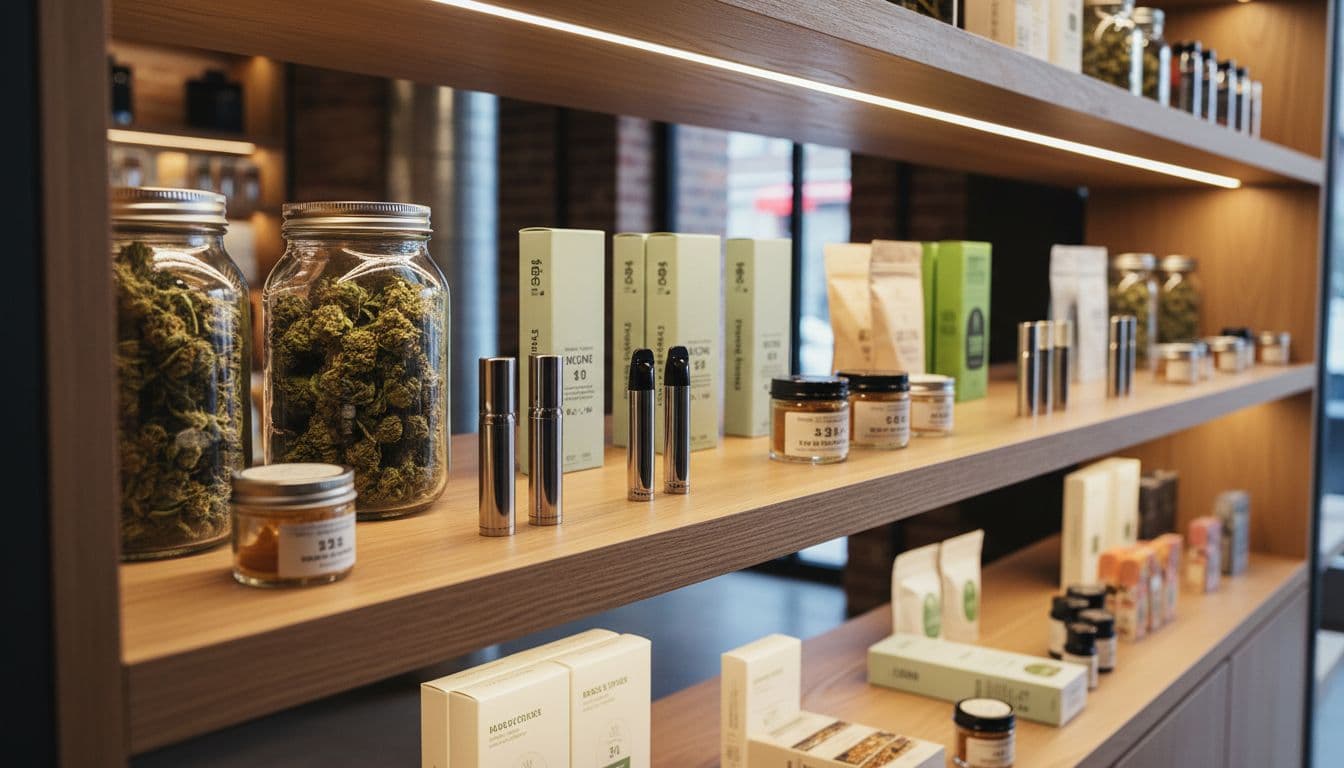
In New York City, licensed adult-use menus usually sort products into cannabis flower, pre-rolls, edibles, vape cartridges, concentrates, and oils. Many shops now include CBD products from licensed brands to cater to therapeutic users. Some also list approved accessories. What you won’t see on a compliant menu is a mix of unlicensed goods or mystery products.
As of spring 2026, licensed dispensaries must show prices clearly on the item or nearby. You should also see purchase limits posted. In New York, that means up to 3 ounces of cannabis flower or 24 grams of concentrates in one transaction.
This quick table shows how the main menu sections usually read:
| Category | What the menu often shows | What you’re comparing |
|---|---|---|
| Cannabis flower | grams, eighths, half-ounces, THC % | loose bud by weight |
| Pre-rolls | single joint or multi-pack, total grams | ready-to-use flower |
| Edibles | mg per piece, mg per package | measured servings |
| Vape cartridges | cartridge or disposable, oil volume, potency | inhalable extract |
| Concentrates | 1 g jars, resin, rosin, wax | stronger extract formats |
That’s why menus can look busy at first. Each category uses its own language, because each format is measured in a different way.
If you want more background on how these formats differ, this guide to NYC cannabis product types gives useful context. Still, the main thing to remember is simple: compare like with like. An eighth of cannabis flower and a 100 mg edible pack don’t belong in the same mental bucket.
How to read potency, strain names, and labels without guessing
Potency is where many people get stuck. A menu may show thc potency for flower, milligrams for edibles, and total cannabinoid numbers for oils or vape carts. Those figures matter, but they don’t mean the same thing across categories.
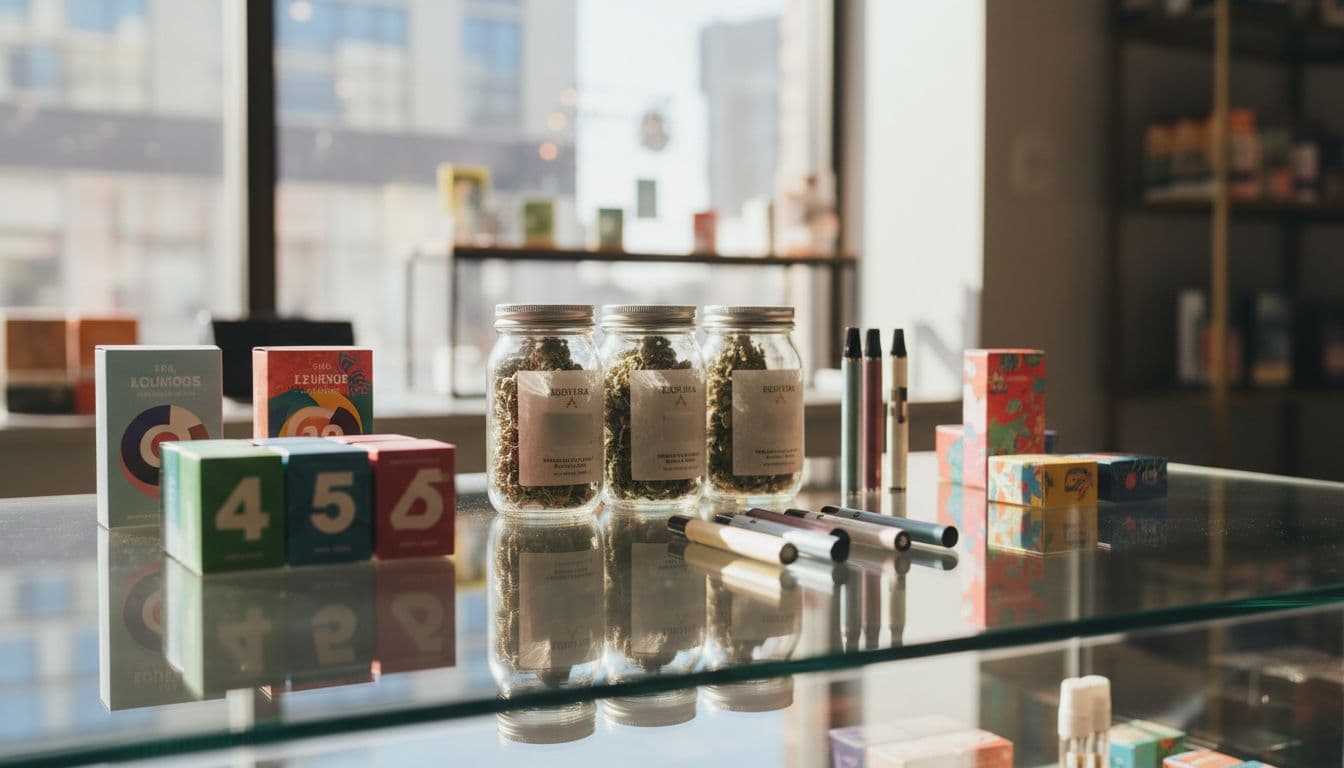
For flower, menus often show THC as a percentage. For edibles like Wyld gummies or fast-acting edibles, the number usually appears as milligrams per serving and per package. For vapes like Stiiizy pods and concentrates, you’ll often see both potency and oil volume. Because of that, a higher number doesn’t always mean a better fit.
The biggest mistake is comparing every item by one number. A flower percentage and an edible milligram count are not measuring the same thing.
Strain names can help, but they’re only one clue. Terms like indica strains, sativa strains, and hybrid strains still appear on many menus, yet they don’t tell the full story by themselves. Product type, cannabinoid content, terpene profiles, and serving size often give you a clearer picture.
Labels matter even more in a licensed market. New York requires lab-tested products, and legal packages include state tracking details, warnings, and a QR code that helps confirm the item came through the regulated system. If you want a closer look at that label language, this guide to reading cannabis product labels is a helpful reference.
There’s also a packaging shift worth knowing. By June 3, 2026, products must meet updated packaging and labeling rules tied to child-resistant packaging, standard warnings, and clear THC and CBD information. So when you browse nyc dispensary menus, you’re not only reading product names, you’re reading a compliance system in plain sight.
Why prices and availability change across menus
Price is never just one thing on a menu. It reflects category, pack size, brand tier, extraction method, and current stock. That’s why a single pre-roll may sit near one price point, while a solventless concentrate like live resin or rosin lands much higher.
The cleanest way to compare menu pricing is to match the same unit. Compare eighth to eighth, 1-gram vape to 1-gram vape, or 100 mg edible pack to 100 mg edible pack. Once you do that, the numbers stop feeling random.
Flower pricing shows this well. A breakdown of New York flower pricing shows how weight and product tier can change the total fast, even within the same broad category. You’re not only paying for amount, you’re also seeing differences in harvest batch, brand positioning, and product type.
Availability changes quickly, too. A live menu is a snapshot, not a guarantee that the item will still be in stock an hour later. Limited drops sell through, batches rotate, and menu listings refresh as inventory changes. Shoppers can choose pickup at checkout or look for delivery across Manhattan to save time.
Licensed NYC shops in Greenwich Village or Downtown Manhattan also operate within set city hours. As of early 2026, stores open at 9:30 AM and close by 9:30 PM. So if you check a menu late at night, the item list may still be visible, but access and updates often wait until the next business window. Readers must present a government-issued ID upon arrival.
That’s the bigger point with nyc dispensary menus: they’re part catalog, part compliance board, and part real-time inventory list. When you read them that way, the layout makes much more sense.
A menu stops feeling messy when you read it in order. Start with category, then check size, then potency, then price. If the dispensary menu is confusing, ask the budtenders for guidance.
That simple shift turns nyc dispensary menus from a wall of numbers into something useful. The next time you browse a licensed NYC listing, compare like with like and let the menu do the sorting for you.


